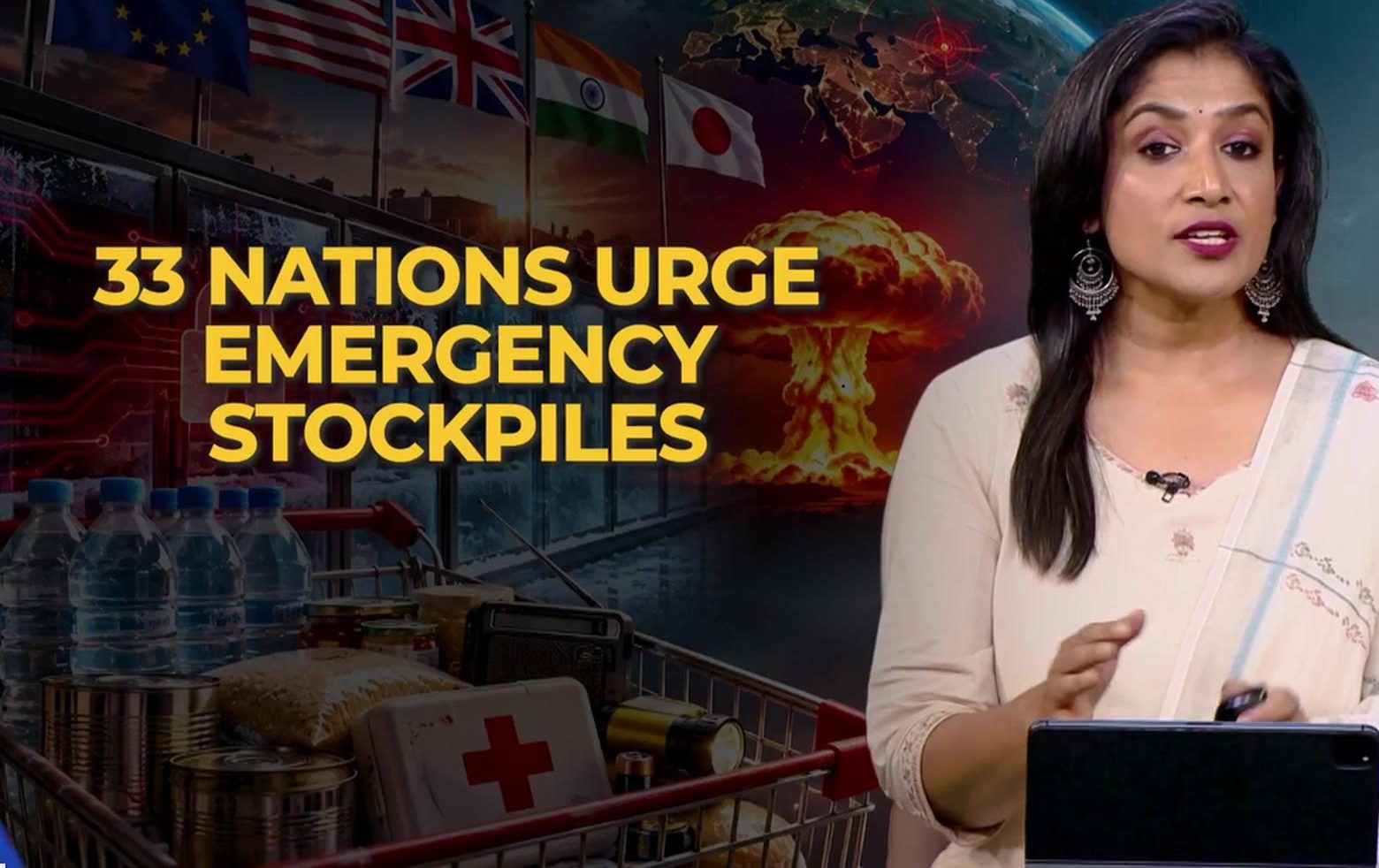
In light of various crises, 33 governments worldwide have recommended that citizens prepare household stockpiles of food and water sufficient for at least 72 hours. This guidance aims to ensure that families can sustain themselves during natural disasters, cyber threats, or potential breakdowns in infrastructure. The advisories reflect a growing concern about the unpredictability of global events and the need for individuals to be self-sufficient in times of emergency.
These recommendations are not merely precautionary but stem from established emergency management protocols. Governments are increasingly aware of the vulnerabilities in their systems and the potential for unforeseen disruptions. By encouraging citizens to stockpile essential items, authorities hope to mitigate the impact of any sudden crises that may arise.
Public response to these advisories has varied, with some individuals taking the recommendations seriously and others expressing skepticism. The act of stockpiling has become a topic of discussion in many communities, reflecting a broader anxiety about the state of global affairs and the reliability of essential services.
Disruptions in European Supermarkets
In a related development, supermarkets across seven European nations, including Belgium, Sweden, and Ireland, have experienced significant disruptions. Reports indicate that hackers managed to manipulate remote refrigeration controls, causing these systems to enter defrost mode. Consequently, temperatures within refrigeration units soared to 50 degrees Celsius, leading to concerns about food safety and availability.
The cyberattack highlights the vulnerabilities in critical infrastructure, raising alarms about the potential for similar incidents in the future. Supermarkets are now faced with the challenge of restoring normal operations while ensuring that food safety standards are maintained. The incident has sparked discussions about the need for enhanced cybersecurity measures across various sectors.
Authorities are investigating the breach, and supermarkets are working closely with cybersecurity experts to prevent future attacks. The incident serves as a reminder of the interconnectedness of modern systems and the potential consequences of cyber threats on everyday life.
Concerns Over Nuclear Escalation
Amidst these developments, commentator Tucker Carlson has reportedly raised concerns about the possibility of nuclear strikes by the United States against Iran, allegedly under pressure from Israel. While these claims have not been verified by official sources, they have contributed to a climate of fear regarding potential military escalations in the region.
Should such an escalation occur, it could have far-reaching implications, particularly for energy transit through the Strait of Hormuz. This vital waterway is crucial for global oil supplies, and any disruption could lead to a spike in oil prices. Additionally, such tensions may weaken the Indian rupee and exacerbate regional instability.
Despite these alarming narratives, it is important to note that the preparedness advisories issued by various governments are rooted in established emergency management planning. They are not necessarily indicative of an imminent global catastrophe but rather a proactive approach to potential threats. Authorities continue to monitor the situation closely, emphasising the importance of readiness in an unpredictable world.
Long or Short, get news the way you like. No ads. No redirections. Download Newspin and Stay Alert, The CSR Journal Mobile app, for fast, crisp, clean updates!