


Delhi Protests: Markets Lose Footfall, Traders Estimate ₹2,000 Crore Losses
The CSR Journal Magazine

The area outside Statesman House in Delhi was notably quiet on Tuesday morning, a stark contrast to the previous day when it was filled with protesters marching towards the Supreme Court. The demonstration, led by the Opposition INDIA bloc, focused on concerns regarding the Special Intensive Revision of electoral rolls and called for the resignation of Chief Election Commissioner Gyanesh Kumar. The protest resulted in significant disruptions, affecting traffic and movement in central Delhi.

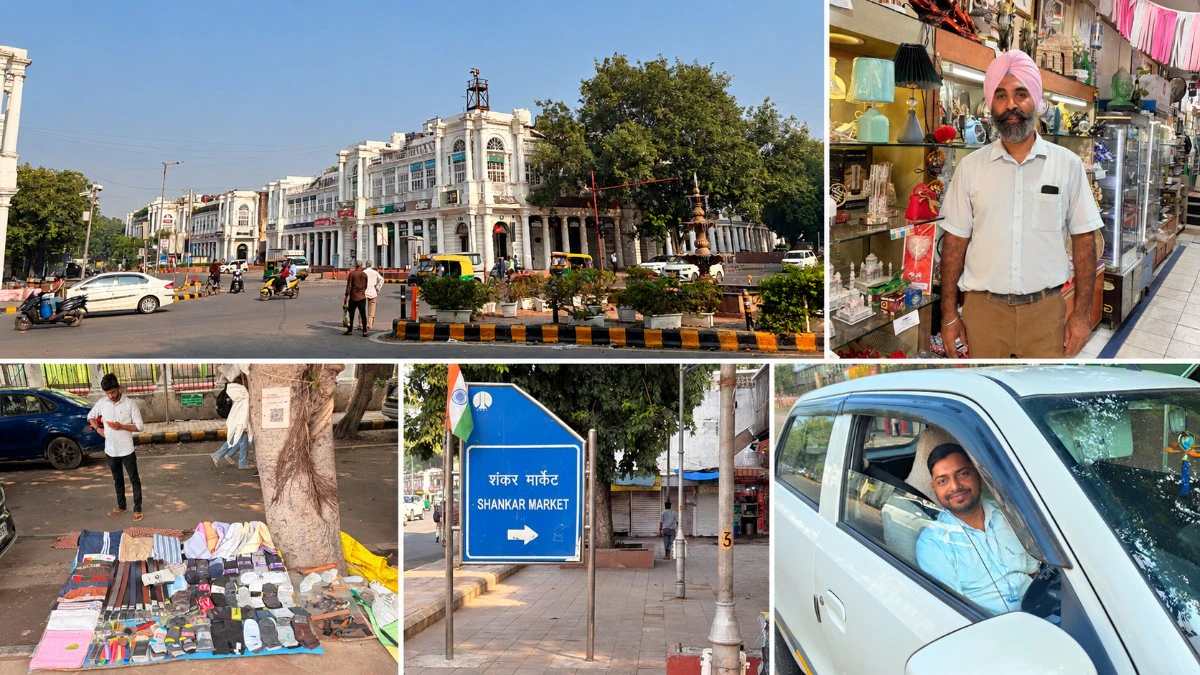
On Tuesday, the atmosphere had changed dramatically. The calmness prompted inquiries into how the protests and subsequent restrictions had impacted local businesses, particularly in Connaught Place, a hub for both commerce and foot traffic.

Mixed Reactions from Local Establishments

At Haldiram’s, a well-known eatery in Connaught Place, staff were hesitant to comment on the situation. After a brief wait, a supervisor stated that they had not observed a significant change in business. In contrast, at Kake Da Hotel, a staff member reported a noticeable decline in customer numbers due to the protests and the resulting lockdown-like conditions. This disparity in experiences highlighted the varied impact of the protests on local establishments.

Conversations with staff revealed a palpable anxiety surrounding the protests. The mere mention of the word ‘protest’ led to a shift in tone, with some individuals declining to engage in discussion. This reluctance indicated a broader unease about the implications of the protests on their daily operations and livelihoods.

For many business owners, the protests were not just a topic of conversation; they represented a direct threat to their operations. The uncertainty surrounding customer turnout had created a tense environment, particularly for those whose income depended on foot traffic.

Street Vendors Face Unique Challenges

As the investigation continued, roadside vendors selling various items expressed their concerns about the protests. Many were wary of setting up their goods, fearing potential confiscation by municipal authorities or police. Their apprehension was evident, as they relied on daily sales to sustain their livelihoods.

Some vendors articulated their fears with a sense of irony, stating, “Bhaiya, humko protest nahi karna,” reflecting their desire to avoid any disruption to their sales. This sentiment underscored the vulnerability of small vendors who often operate without a safety net.

The anxiety among these vendors was not merely about the protests but also about the broader implications for their businesses. The fear of losing their stock added another layer of stress, as unsold items could directly affect their earnings.

In discussions with a vendor selling sweets, it became clear that the protests had tangible consequences for his business. He noted that unsold inventory from the previous day could not be salvaged, illustrating the immediate impact of reduced customer turnout on perishable goods.

Wider Economic Implications for Delhi

The repercussions of the protests extended beyond Connaught Place. Brijesh Goyal, chairman of the Chamber of Trade & Industry, reported a significant drop in footfall across various markets in Delhi. He estimated that the disruptions had led to losses of approximately Rs 2,000 crore over three days, affecting a wide range of businesses, including petrol pumps and restaurants.

Goyal attributed this decline to the uncertainty surrounding travel, exacerbated by blocked roads and halted metro services. As businesses anticipated increased foot traffic during the festive season, the timing of the protests posed an additional challenge.

Interviews with various stakeholders revealed a shared sentiment of concern. While some establishments reported minimal impact, others faced severe disruptions. The collective anxiety highlighted the interconnectedness of local economies and the potential long-term effects of such protests on consumer behaviour.

As the situation evolved, it became evident that the protests had created a ripple effect across Delhi’s markets, affecting not only immediate sales but also the overall confidence of consumers in returning to these areas in the future.

Long or Short, get news the way you like. No ads. No redirections. Download Newspin and Stay Alert, The CSR Journal Mobile app, for fast, crisp, clean updates!

App Store – https://apps.apple.com/in/app/newspin/id6746449540

Google Play Store – https://play.google.com/store/apps/details?id=com.inventifweb.newspin&pcampaignid=web_share

Latest News

Popular Videos
