


“Project Freedom plus”: Donald Trump Says US Could Resume Hormuz Escort Operations If Iran Deal Fails

The CSR Journal Magazine

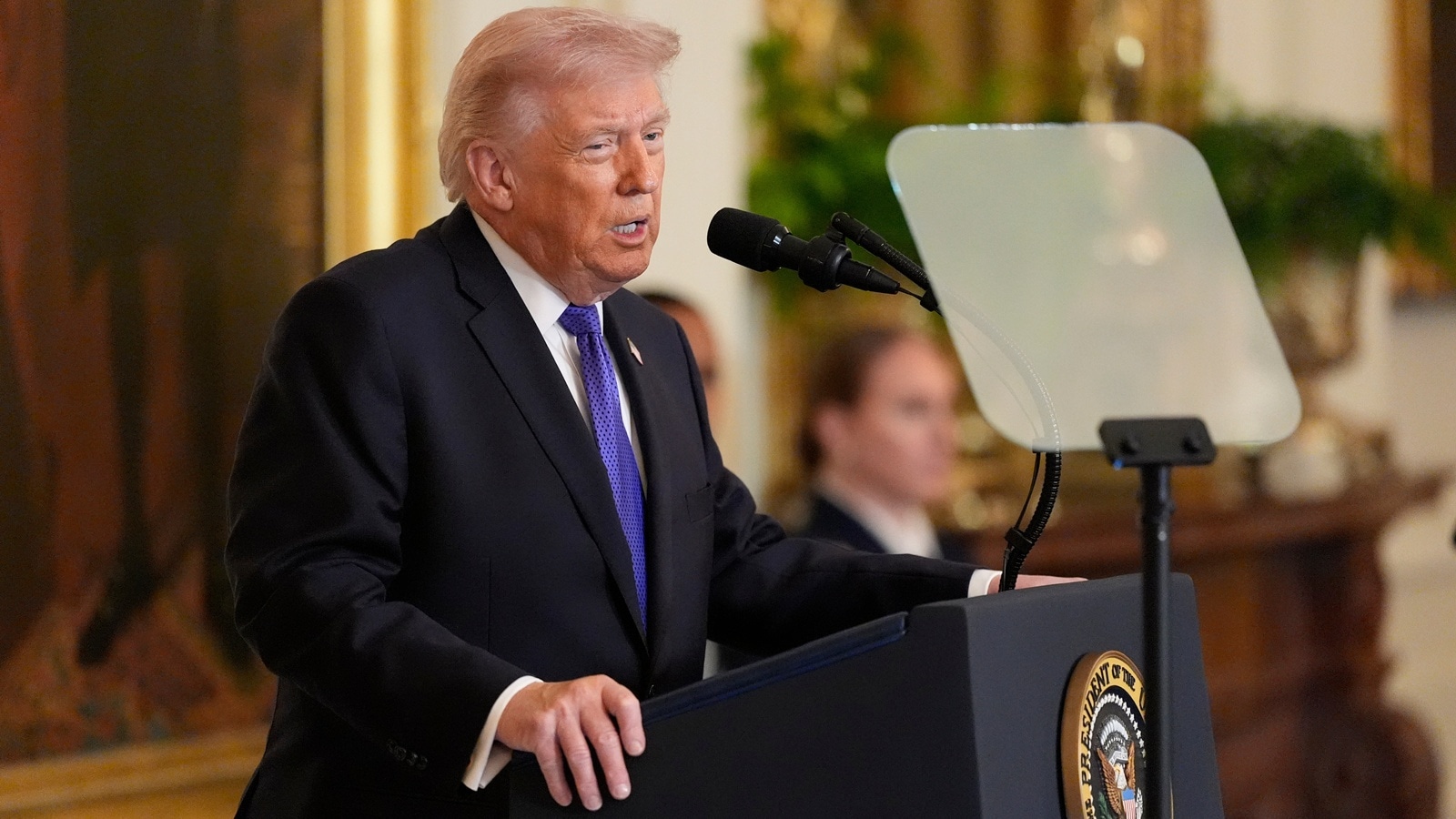
The US President, Donald Trump, indicated on May 9 that his administration may look into reintroducing “Project Freedom,” a maritime security initiative, especially if diplomatic discussions with Iran do not lead to a signed agreement. This revitalised version, which he referred to as “Project Freedom plus,” would mirror the original project while incorporating additional elements he did not specify.

During a press briefing at the White House before attending a dinner at his golf course, Trump stated, “We’ll go a different route if everything doesn’t get signed up.” He emphasised that, should negotiations stall, the focus would shift back to Project Freedom, enhanced with “other things.” This statement underscores the ongoing uncertainty regarding US-Iran relations and maritime security in the region.

The remarks followed Trump’s announcement earlier in the week when he declared a temporary pause of Project Freedom as naval operations continue in maintaining a blockade of Iranian ports. This decision is reported to consider requests made by Pakistan and other nations seeking to mediate a potential peace deal between the US and Iran.

Background on Current Tensions

The ongoing tensions in the Gulf region have been marked by military confrontations and escalating political rhetoric. Trump noted that significant military success had been achieved during operations against Iran, which impacted the decision to temporarily halt Project Freedom. The President indicated that a focus on achieving a comprehensive agreement with Iranian representatives was pivotal in this context.

In a post on Truth Social, Trump mentioned that the pause would allow time to assess the viability of finalising an agreement with Iran. He stated, “While the blockade will remain in full force and effect, Project Freedom will be paused for a short period to see whether or not the Agreement can be finalised and signed.” This reflects an attempt to balance military and diplomatic strategies amidst rising tensions.

Additionally, there have been reported concerns regarding the operational feasibility of the initiative. Initial plans for Project Freedom included utilising military assets in the region, which were complicated by diplomatic relations with other Gulf nations, particularly Saudi Arabia, which declined to permit the use of its airbase for American operations.

Military Support and Operational Strategies

As part of the maritime security initiative, the US Central Command (CENTCOM) initiated operations to ensure that commercial vessels could navigate through the strategic Strait of Hormuz. The operation, commenced on Monday, involves a significant military presence, including guided-missile destroyers, over 100 land- and sea-based aircraft, and a contingent of 15,000 service members.

According to CENTCOM, the deployment aims to support the free movement of merchant vessels within this vital international trade corridor. The scale of the military involvement highlights the US commitment to safeguarding commercial shipping routes, reinforcing their importance to the global economy.

Despite the announcement of Project Freedom, the broader dynamics in the region, including the potential for conflict and the need for diplomatic solutions, remain complex and fluid. The interplay between military readiness and the pursuit of negotiation continues to shape the United States’ approach to its relationship with Iran and security in the Strait of Hormuz.

Long or Short, get news the way you like. No ads. No redirections. Download Newspin and Stay Alert, The CSR Journal Mobile app, for fast, crisp, clean updates!

App Store –  https://apps.apple.com/in/app/newspin/id6746449540 

Google Play Store – https://play.google.com/store/apps/details?id=com.inventifweb.newspin&pcampaignid=web_share

Latest News

Popular Videos