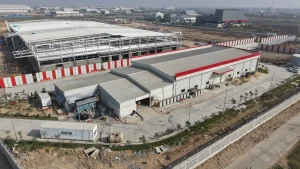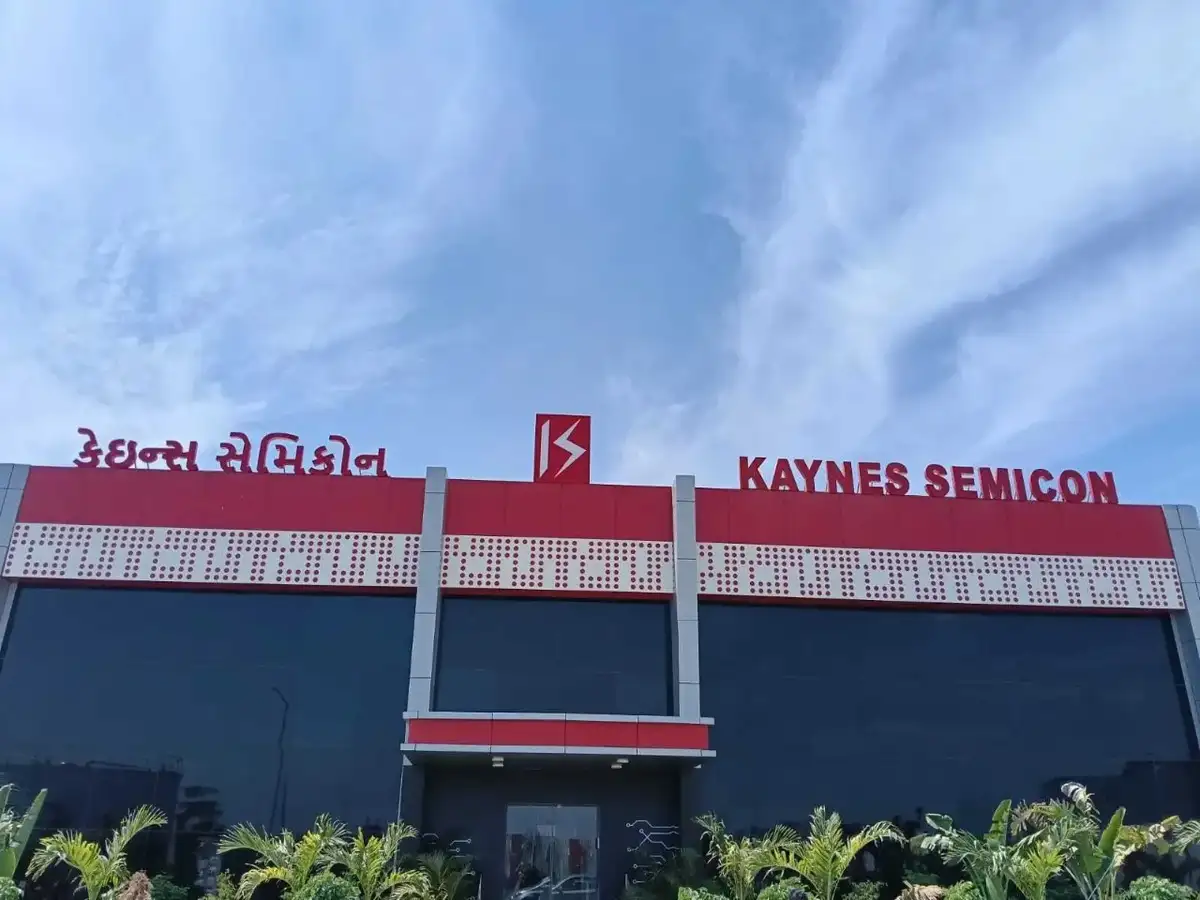

Prime Minister Narendra Modi inaugurated a semiconductor manufacturing facility by Kaynes Technology at the Sanand GIDC in Ahmedabad, with an investment of Rs 3,300 crore. This plant represents the second such establishment in India, furthering the nation’s ambitions to bolster its semiconductor production capabilities. The facility is a crucial element of the country’s semiconductor mission and is expected to significantly enhance domestic chip production capacity.
India’s Aspirations in the Global Semiconductor Supply Chain
During the inauguration ceremony, PM Modi emphasized India’s strategic positioning as a reliable supplier in the global semiconductor supply chain. He indicated that the nation is not merely observing global advancements but is actively preparing to lead them. Modi highlighted the introduction of Semiconductor Mission 2 in the recent budget, aimed at fostering self-sufficiency across various production sectors. He articulated, “India of the 21st century is not just a witness to change but is determined to spearhead it.”

Joining the Pax Silica Initiative
Modi remarked that India’s inclusion in the Pax Silica initiative would bolster access to essential critical minerals required for semiconductor manufacturing. This move is aimed at supporting the local semiconductor industry and ensuring that the country can meet its production goals effectively.
Production Capacity of the New Facility
According to Arjun Modhwadia, Gujarat’s Minister of Science and Technology, the new plant is projected to produce over 700,000 chips daily. Prior to the launch, Modhwadia stated that the opening of this second facility marks a significant step into the advanced domain of semiconductor manufacturing. He praised Prime Minister Modi for his ability to transform challenges into opportunities in this emerging sector.
Recent Developments in Semiconductor Manufacturing
The inauguration follows the recent launch of the Micron semiconductor plant earlier this year. Modi noted the swift progress of that project, explaining that the memorandum of understanding for the facility was signed in June 2023, the foundation was laid in September, and commercial production is scheduled to commence by February 2026. He emphasized that such rapid development is often a lengthy process in more developed nations, but India has successfully accelerated the timeline to merely 900 days, attributing it to clear intentions and a commitment to national development.