


Paris Meeting Addresses Lebanon’s Military Challenges Amid UNIFIL Exit
The CSR Journal Magazine

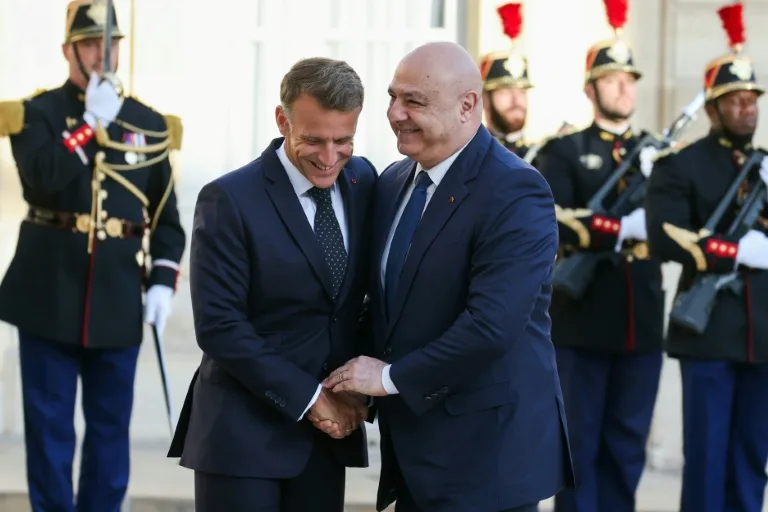
The leaders of Lebanon, France, and Jordan gathered in Paris on Thursday to discuss the pressing challenges facing Lebanon’s military. Lebanese President Joseph Aoun, French President Emmanuel Macron, and Jordan’s King Abdullah II engaged in talks centred on the situation in southern Lebanon and the potential for an international presence in the region following the impending expiration of the United Nations peacekeeping force, UNIFIL’s, mandate later this year.

This meeting transpired against the backdrop of a stalled donor conference aimed at bolstering Lebanon’s cash-strapped military. Initially planned for February and organised by France, Saudi Arabia, and the United States, the conference was postponed due to the outbreak of the Iran war and hostilities between Israel and Hezbollah. No subsequent date has been set following the discussions held on Thursday.

Lebanon’s Military Faces Increased Pressure

The Lebanese army is currently positioned between the Israeli military, which occupies significant portions of southern Lebanon, and Hezbollah, which has resisted appeals to disarm. A framework agreement announced in June between the Lebanese and Israeli governments aimed to facilitate Israel’s gradual withdrawal from southern Lebanon, subsequently allowing the Lebanese army to take control while disarming Hezbollah.

However, progress on this agreement has been hindered. Hezbollah experienced significant losses in the last military conflict, concluding in November 2024. Following this, Lebanon elected President Aoun and Prime Minister Nawaf Salam, who pledged to disarm Hezbollah alongside other non-state armed groups. Despite these commitments, Lebanon has been criticised by both Israel and the United States for its lack of military action against Hezbollah.

It led officials to express concerns over potential civil unrest should a confrontation arise between the army and the militant group. The Lebanese government has articulated the necessity for a more robust and better-equipped military presence across the country. There are apprehensions that supporters of Hezbollah may doubt the army’s capacity to offer adequate protection, compounding the challenges facing Lebanon’s military.

Int’l Support and Challenges for Lebanese Military

For an extended period, Lebanon’s military has struggled with inadequate funding and resources, relying significantly on international assistance from countries including the United States, the United Kingdom, France, and Italy. Furthermore, Saudi Arabia had previously allocated $3 billion in 2013 for military support, aimed at equipping the Lebanese army with French arms.

However, this assistance was halted in 2016 amid growing Hezbollah influence and deteriorating relations between Lebanon and the Saudi kingdom. The ongoing fiscal crisis, which began in late 2019, has exacerbated these issues, leading to a reduction in personnel and additional burdens on soldiers who seek alternative employment as state institutions weakened.

Diminishing salaries, rising inflation, and constrained budgets have compounded the precarious situation. The events discussed during the Paris meeting highlight the urgent need for Lebanon’s military to strengthen its capabilities while navigating the complex dynamics in the south and the unresolved matter of Hezbollah’s weaponry. The international community’s continued support remains crucial as Lebanon aims to restore stability in a challenging environment.

Long or Short, get news the way you like. No ads. No redirections. Download Newspin and Stay Alert, The CSR Journal Mobile app, for fast, crisp, clean updates!

App Store –  https://apps.apple.com/in/app/newspin/id6746449540 

Google Play Store – https://play.google.com/store/apps/details?id=com.inventifweb.newspin&pcampaignid=web_share

Latest News

Popular Videos
