


NTA Tightens Security Amid Alleged Threats from Organised Groups
The CSR Journal Magazine

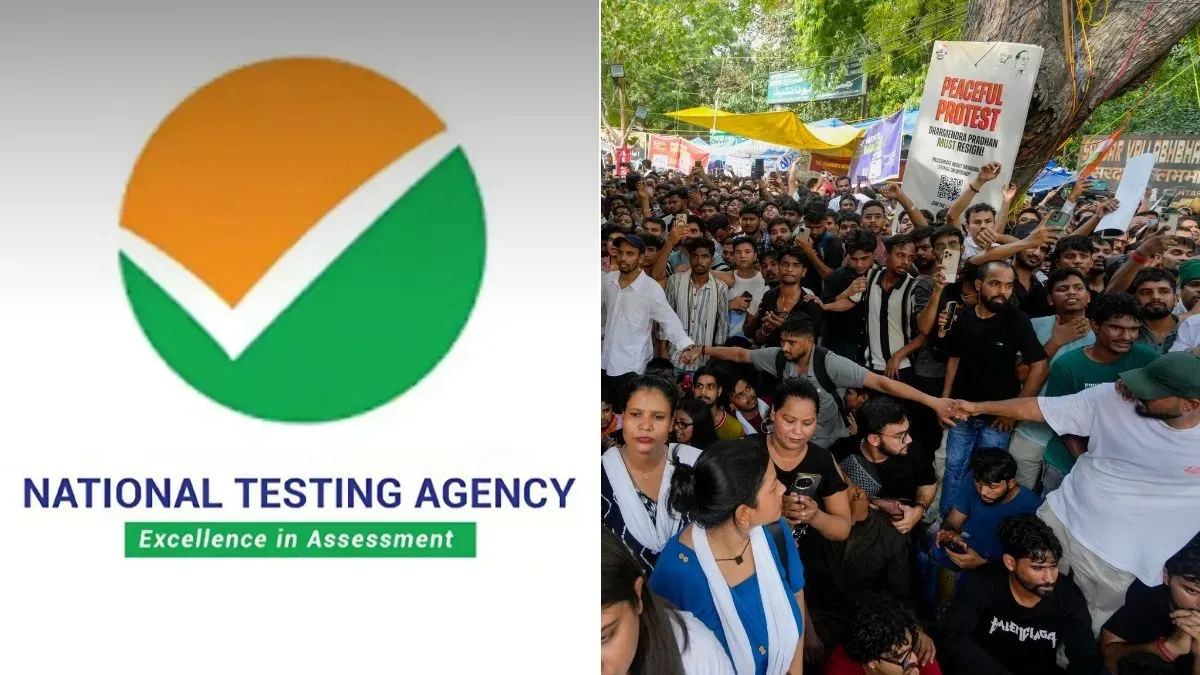
The National Testing Agency (NTA) has enacted significant changes within its examination framework, particularly concerning the duration of expert tenures due to concerns over potential interference by organised entities. A senior official from the NTA indicated that the agency is confronting what they term a “big mafia” aiming to influence individuals linked to the examination process.

To fortify the integrity of examinations, the NTA is reducing the engagement period for subject experts. This decision follows an assessment that lengthy involvement might enhance the likelihood of these experts being targeted or compromised.

Additionally, the NTA is advancing towards a strictly controlled access protocol. Under this new model, sensitive information will be shared on a need-to-know basis, ensuring that not all employees have complete visibility over vital processes.

Enhanced Security Measures Implemented

The revised security strategy by the NTA comprises two critical levels of operation. Initially, to bolster safeguarding, the preparation of examination papers will be decentralised among separate teams. Different individuals will be assigned to various aspects, including writing, moderating, translating, and reviewing questions.

An enhanced focus will also be placed on securing personnel and systems involved in the examination processes. Staff and visitors entering examination facilities will undergo thorough screening, including checks on electronic devices, to mitigate any risks.

Furthermore, the NTA plans to employ “air-gapped” computer systems for sensitive tasks, isolating them from unsecured external networks, thus significantly reducing chances of remote security breaches. The Central Industrial Security Force (CISF) will also assist in strengthening the overall security framework at critical locations.

Institutional Changes and Past Challenges

NTA Director General Abhishek Singh previously announced the restructuring alongside the deployment of new specialists. Elements of this revised system were trialed during recent examinations, including the CSIR assessment and the NEET re-examination, with intentions to standardise these processes across all of the NTA’s assessments.

This overhaul of the examination protocols follows a series of recognised failures in the NTA’s administered assessments. The Parliamentary Standing Committee on Education submitted its 371st Report in 2025, which highlighted significant issues across five out of fourteen competitive examinations conducted by the agency in 2024. Problems included delays in the UGC-NET, CSIR-NET, and NEET-PG examinations, alongside instances of paper leaks affecting the NEET-UG results.

In response to these repeated issues, the parliamentary committee underscored the necessity for the NTA to enhance its examination processes to restore candidate confidence. The recent reforms aim to mitigate vulnerabilities by limiting access durations, segmentation of responsibilities, and reinforcing security both physically and digitally. The efficacy of these enhancements will be rigorously observed in future examinations to determine their success in averting previous errors and leaks.

Long or Short, get news the way you like. No ads. No redirections. Download Newspin and Stay Alert, The CSR Journal Mobile app, for fast, crisp, clean updates!

App Store –  https://apps.apple.com/in/app/newspin/id6746449540 

Google Play Store – https://play.google.com/store/apps/details?id=com.inventifweb.newspin&pcampaignid=web_share

Latest News

Popular Videos
