


app-store-logo
play-store-logo
March 5, 2026

Nepal Launches Significant General Election Following ‘Gen Z Movement’
The CSR Journal Magazine

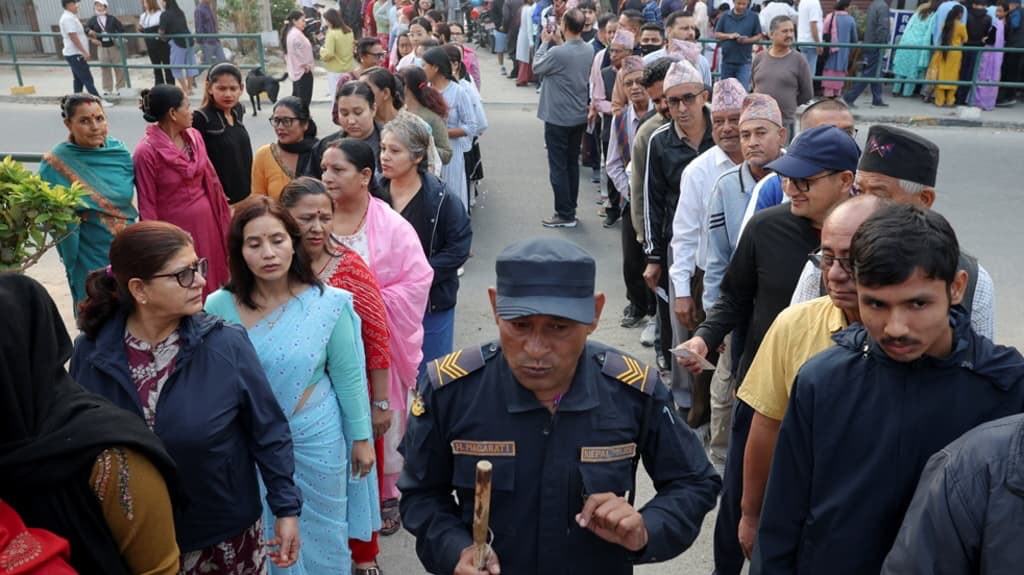
The 2026 general election in Nepal commenced on Thursday, witnessing widespread participation from citizens in the capital. This election is marked by considerable political transformation catalyzed by the “Gen Z movement” in September, which led to the resignation of the KP Sharma Oli-led coalition government and the subsequent dissolution of the House of Representatives. The Election Commission, under the leadership of Sushila Karki, has reported that all necessary logistical arrangements have been completed to ensure a smooth transition to a newly elected government following a six-month interim regime.

Preparations for a Free and Fair Election

The groundwork for this electoral process was initiated on September 12, when Karki, in her first act in office, advised President Ramchandra Paudel to dissolve the House. Acting Chief Election Commissioner Ram Prasad Bhandari confirmed that all measures for conducting fair, transparent, and peaceful elections are in place. He encouraged voters to participate actively and without apprehension during the ten-hour voting period, which stretches from 7 am to 5 pm.

Demographic Shift Among Voters

Visuals from the Annapurna Vinayak School polling station depicted early voters queued to cast their ballots, including former mayor and well-known rapper Balendra ‘Balen’ Shah. Recent statistics reveal a notable demographic change, with 18,903,689 registered voters—an increase of over 915,000 since 2022. Approximately 52 percent of these voters fall within the 18 to 40 age group, which positions the youth as a pivotal segment in shaping the electoral outcome. A total of 6,541 candidates are competing for 275 seats in the House of Representatives.

Candidate Representation and Election Logistics

Following the first-past-the-post (FPTP) electoral system, 2,263 candidates represent 65 different political parties, while 1,143 are standing as independents. However, the gender representation in direct elections remains disproportionately weighted, with 3,017 male candidates and only 388 female candidates. Additionally, there is one candidate from the sexual and gender minority community. To ensure the orderly conduct of the election, security remains a critical focus, involving the deployment of 341,113 personnel, which includes 149,000 temporary “election police” hired specifically for this 40-day period.

Security Measures and Voter Engagement

A recent meeting of the Security Council, chaired by Prime Minister Karki, indicated that the measures in place are expected to enhance the transparency and safety of this election compared to previous ones. Bhandari expressed assurance that no external forces would interfere with the election and voiced optimism that increased participation among younger voters would lead to higher turnout rates and a reduction in invalid ballots. Historically, Nepal has recorded an average voter turnout of 69.4 percent since 2006, with officials aiming to exceed the 61.4 percent turnout recorded in 2022.

In a bid to facilitate the electoral process, authorities plan to utilize helicopters to transport ballot boxes from remote and hilly regions. According to announcements, the Election Commission anticipates beginning the release of FPTP results within 24 hours of the commencement of vote counting.

Long or Short, get news the way you like. No ads. No redirections. Download Newspin and Stay Alert, The CSR Journal Mobile app, for fast, crisp, clean updates!

App Store –  https://apps.apple.com/in/app/newspin/id6746449540 

Google Play Store – https://play.google.com/store/apps/details?id=com.inventifweb.newspin&pcampaignid=web_share

Latest News

Popular Videos
