


Nepal Floods Severely Disrupt Hydropower Infrastructure
The CSR Journal Magazine

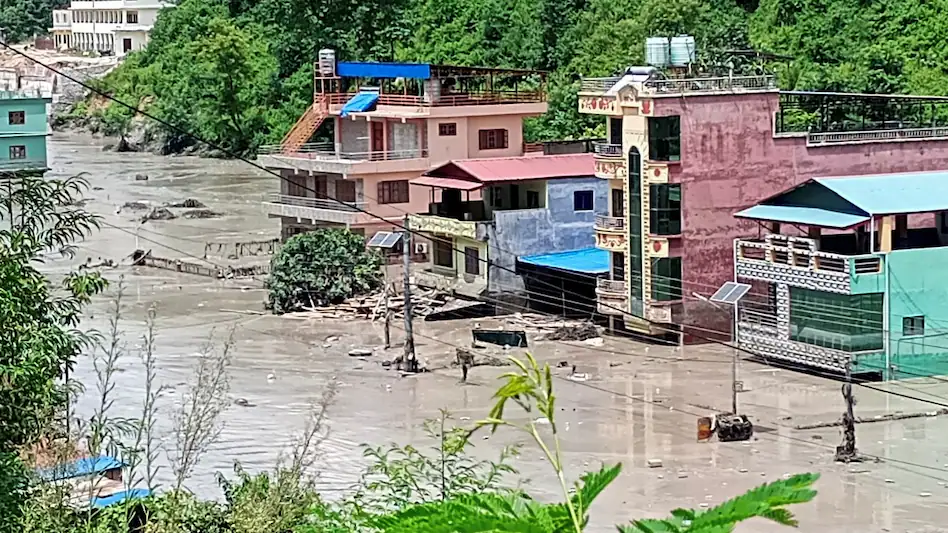
In central Nepal, workers are engaged in clearing substantial mud from a flood-affected power station, aimed at reinstating a critical electricity supply that services over 20,000 residents. Following last week’s catastrophic flooding, experts are now faced with the imperative of re-evaluating how to reconstruct power lines, roads, bridges, schools, and healthcare facilities in a manner that mitigates the risks of future disasters.

Impact on Hydropower Capacity and Human Casualties

The floods have inflicted significant damage on Nepal’s hydropower infrastructure, rendering an estimated 700 megawatts of power capacity inoperable, which accounts for approximately 10 per cent of the nation’s overall power production. According to the Independent Power Producers’ Association, up to 900 workers across around a dozen hydropower projects are currently unaccounted for. It is believed that several of these individuals may be trapped within tunnels, complicating rescue efforts.

The catastrophic flooding has led to more than 900 fatalities across Nepal and China, with approximately 4,700 individuals reported missing. Particularly hard-hit districts include Rasuwa, Nuwakot, and Dhading, where operational and under-construction hydropower projects have been either fully or partially destroyed, leading authorities to acknowledge the heightened risks associated with rebuilding in these areas.

Geoscientist Jakob Steiner from the University of Graz emphasised the necessity for rigorous examination of future construction practices in light of recent events. He noted that the tunnels, essential for accessing hydropower infrastructure and directing water flow, are spacious enough for truck passage. However, he voiced concerns that conventional flood management tactics may falter during extreme events, underscoring the importance of establishing effective early warning systems for at-risk communities.

Reconstruction Strategies and Focus on Safety

In the aftermath of the flooding, a variety of infrastructures, including roads, bridges, educational institutions, and hospitals, have been devastated. Ramraj Narasimhan, a senior director at the Coalition for Disaster Resilient Infrastructure, suggested that rebuilding should focus on operational continuity rather than striving for damage resistance in every structure. He proposed concepts such as creating alternative routes and improving emergency protocols to ensure more resilient systems.

Narasimhan pointed out that thorough risk assessments should consider geographical features like river bends and unstable slopes. His organisation estimates that US$124 billion of Nepal’s infrastructure is vulnerable to climate-related disasters, forecasting potential financial losses amounting to hundreds of millions annually. A report from earlier this year indicated that Nepal incurs nearly US$760 million in average annual disaster-related damages, while the existing national disaster fund is considerably less than required.

Climate scientists have noted that the Himalayan region is experiencing accelerated warming compared to many other areas worldwide. Reports from the International Centre for Integrated Mountain Development illustrate that glaciers in the Hindu Kush Himalaya are retreating more rapidly, while unstable slopes, thawing permafrost, and erratic rainfall are intensifying the risks associated with floods and landslides.

Future Considerations for Hydropower Projects

The ongoing disasters elevate scrutiny over the viability of future hydropower projects. Himanshu Thakkar, a coordinator with the South Asia Network on Dams, Rivers and People, argued for enhanced environmental and disaster-risk assessments tailored to the unique terrains and historical vulnerabilities of each valley. He warned that large-scale hydropower initiatives can exacerbate downstream destruction when combined with systemic weaknesses in infrastructure.

As Nepal confronts the pressing need for immediate restoration of power and infrastructure, it faces a broader challenge: to make informed decisions about what and where to rebuild. The priority remains to find ways to mitigate the impact of future floods while ensuring the resilience of essential services.

Long or Short, get news the way you like. No ads. No redirections. Download Newspin and Stay Alert, The CSR Journal Mobile app, for fast, crisp, clean updates!

App Store –  https://apps.apple.com/in/app/newspin/id6746449540 

Google Play Store – https://play.google.com/store/apps/details?id=com.inventifweb.newspin&pcampaignid=web_share

Latest News

Popular Videos
