


Nepal Flash Floods Result In 903 Deaths; 4,247 People Still Missing
The CSR Journal Magazine

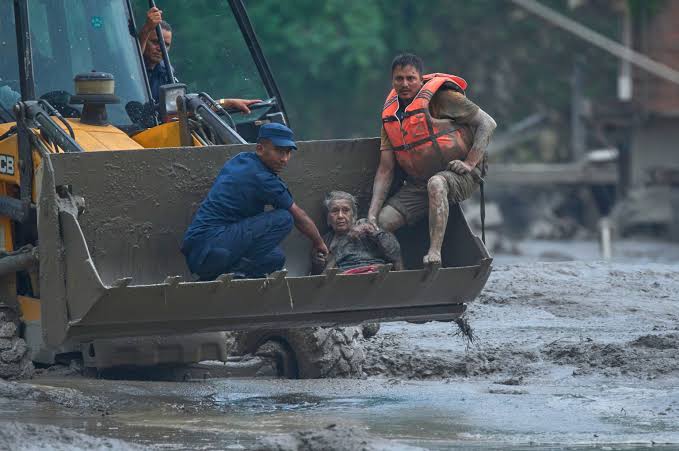
The recent flash floods in Nepal have led to a tragic rise in the death toll, which now stands at 903, according to reports from authorities. The floods struck various regions in the northern and central parts of the country on August 26, with initial findings suggesting that the collapse or avalanche of ice and rock near the Nepal-Tibet border triggered the disaster. Floodwaters inundated numerous towns and villages, significantly impacting infrastructure.

The Bhotekoshi River has been at the centre of this calamity, carrying away homes, vehicles, roads, and bridges. Notably, hydropower projects have also suffered extensive damage. The floods have devastated the Bhotekoshi Corridor, a vital land trade route connecting Nepal and China, along with the Rasuwagadhi border crossing.

On August 30, the National Disaster Risk Reduction and Management Authority issued a warning, indicating a renewed rise in water levels in the Bhotekoshi River. This further complicates the ongoing rescue and recovery operations as survivors grapple with the aftermath of the disaster.

Casualties and Missing Persons

The distribution of recovered bodies as reported by authorities reveals the gravity of the situation. As of the latest data, 272 bodies have been found in Chitwan, 207 in Nawalparasi East, 151 in Nawalparasi West, and 62 in Gorkha. Additional recoveries include 95 bodies from Nuwakot, 55 from Dhading, 37 from Tanahu, and 24 from Rasuwa.

Warning signs arise as it has been reported that 99 security personnel and 591 foreigners are among those still missing. Chinese media have conveyed that 16 individuals lost their lives on the Chinese side of the border, while approximately 550 others remain unaccounted for in Tibet. The scale of the disaster highlights a broader regional impact affecting both Nepal and its neighbouring areas.

Rescue operations have reportedly saved nearly 9,500 individuals, including local residents and tourists from multiple countries such as India, the United States, China, and several European nations. These efforts have been ongoing since the floods struck, aimed at providing immediate relief to those affected.

Identification and Forensic Efforts

Hospitals throughout Nepal are witnessing an influx of families searching for missing relatives amid the chaos. The focus is now shifting towards the identification of the deceased. Outside hospital premises, photographs of the victims have come out, with many people gathering to scrutinise them closely in hopes of recognising loved ones.

During a press briefing on August 30, Nepal’s Foreign Secretary Amrit Bahadur Rai addressed the status of unrecognisable victims. He stated that the remains that could not be identified, some of which were severely decomposed due to prolonged water exposure, had been buried following standard protocols. This process aims to preserve dignity while managing the overwhelming number of casualties.

In a collaborative effort to aid identification, an 18-member team of forensic experts from India, specialised in DNA analysis, has arrived in Nepal. Ongoing coordination between the two countries seeks to enhance the efficiency of the rescue and recovery operations, amid one of Nepal’s most significant flood disasters in recent history.

Long or Short, get news the way you like. No ads. No redirections. Download Newspin and Stay Alert, The CSR Journal Mobile app, for fast, crisp, clean updates!

App Store –  https://apps.apple.com/in/app/newspin/id6746449540 

Google Play Store – https://play.google.com/store/apps/details?id=com.inventifweb.newspin&pcampaignid=web_share

Latest News

Popular Videos
