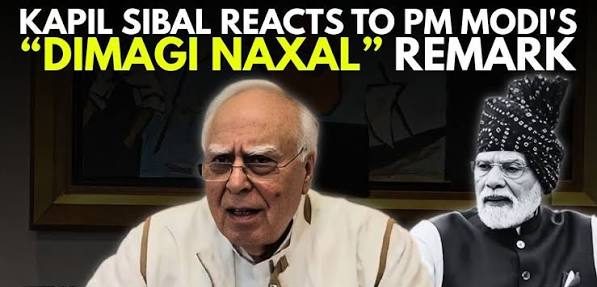
Rajya Sabha MP Kapil Sibal recently referred to himself as a “Dimagi Naxal,” a term originally used by Prime Minister Narendra Modi. The phrase has been employed by the Bharatiya Janata Party (BJP) to target individuals they allege support Naxalism ideologically. Sibal’s remarks occurred during a discussion titled “Horse Trade and Democracy” in Kochi.
In his address, Sibal explained that his self-identification as a “Dimagi Naxal” is an ironic take on the warning issued by PM Modi regarding individuals who allegedly manipulate political policies to undermine societal integrity. Modi had called for greater public awareness to “identify and isolate” such elements within the system.
Insights on Horse Trading
During the event, organised by LiveLaw, Sibal elaborated on the concept of horse trading, likening it to past practices where horses were crucial for warfare outcomes. He indicated that those selling horses historically employed deceptive tactics, highlighting how the dynamic has shifted over time. “In contemporary politics, it is often the buyer who adopts the role of the trickster,” Sibal noted, contrasting historical and modern perspectives.
Sibal contended that horse trading extends beyond mere political controversies, labelling it as a “constitutional crisis.” He argued that such actions compromise the foundational elements of representative governance, casting doubts on electoral integrity and the parliamentary democratic framework.
Emphasising the severity of the issue, Sibal described horse trading as a term denoting an even more troubling practice. He characterised it as the organised inducement of lawmakers, which effectively creates an artificial majority skewed from the electorate’s authentic choices. The process compromises the will of the voters, leading to a disconnection between elected representatives and the populace.
Impact on Voter Representation
Sibal pointed out that the implications of horse trading threaten the fabric of democracy itself. While citizens cast their votes in support of specific mandates, the ultimate power often shifts to those who were not chosen. He argued that this dissonance is a detrimental evolution in the political landscape, eroding trust in democratic processes.
The former Union Minister highlighted the various methods through which horse trading can manifest, from overt financial inducements to subtler forms of coercion, including promises of political office or legal protections. He asserted that this behaviour tarnishes the political system and represents a betrayal of the electorate’s trust, undermining democratic legitimacy.
Sibal’s comments seek to draw public attention to the urgent need to address these practices that threaten democratic values. By framing his discussion around the historical significance of horse trading, he contextualised its contemporary relevance, reinforcing his stance on the necessity for robust measures to safeguard the sanctity of elections and representative governance.
Long or Short, get news the way you like. No ads. No redirections. Download Newspin and Stay Alert, The CSR Journal Mobile app, for fast, crisp, clean updates!