


app-store-logo
play-store-logo
March 16, 2026

Kalonji Benefits: How These Black Seeds Can Help Control Blood Pressure & Cholesterol
The CSR Journal Magazine

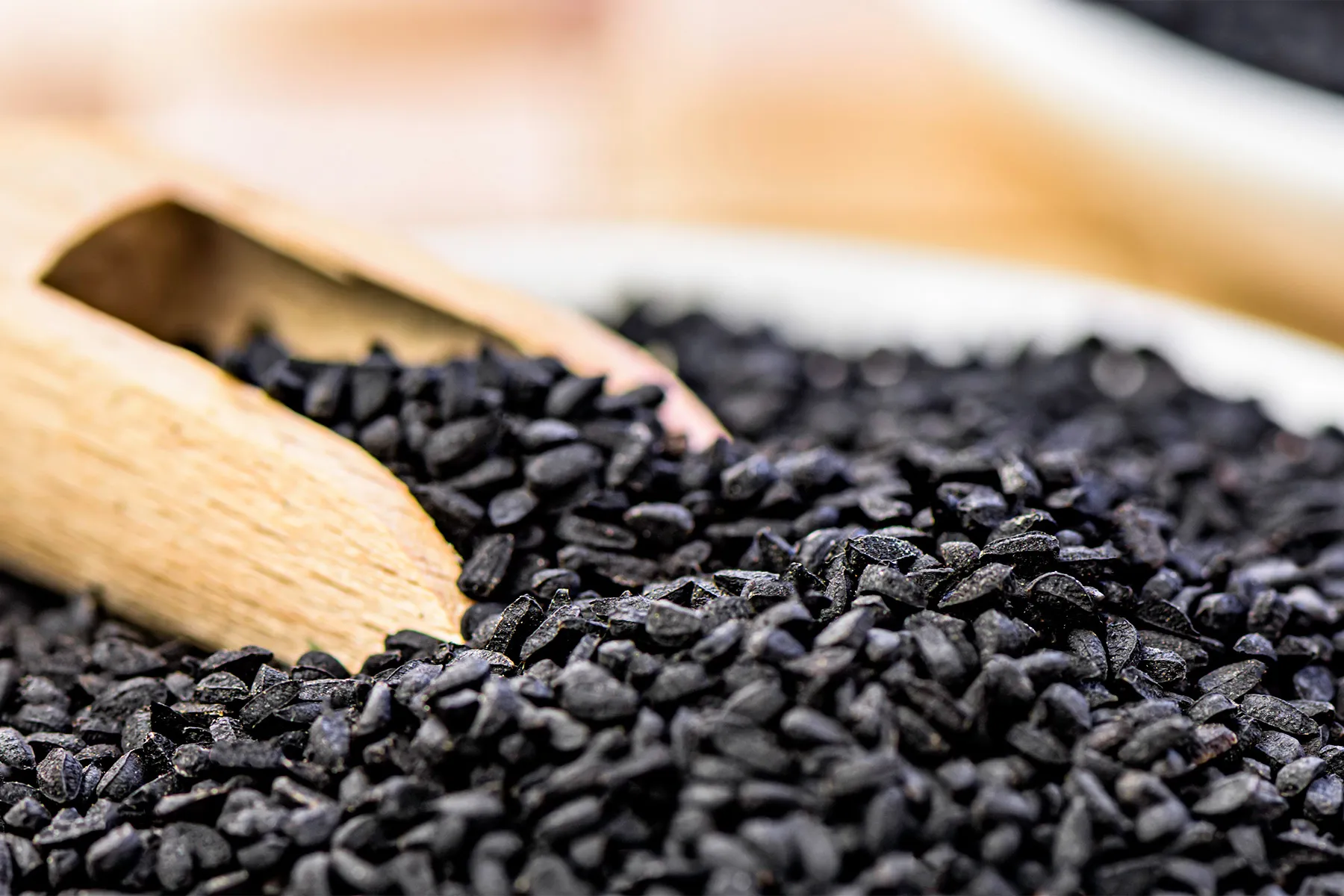
Kalonji, commonly known as black nigella seeds or Nigella sativa, is attracting attention as a natural remedy amid rising lifestyle-related health issues in India, particularly hypertension and high cholesterol levels. With cardiovascular diseases accounting for more than two million deaths annually in the country, there is an increased interest in foods that may enhance heart health.

Insights from Medical Experts

Dr. Rajesh Kumar Sharma, a cardiologist with over 25 years of experience, highlights the potential benefits of kalonji when incorporated into health regimens correctly. He states that research, including a meta-analysis covering more than 1,000 patients, indicates that kalonji supplementation can lead to a decrease in systolic blood pressure by approximately 10 mmHg and a reduction in LDL (low-density lipoprotein) cholesterol levels by 14 to 15 mg/dL.

The therapeutic effects are attributed to thymoquinone, a potent antioxidant found in the seeds, which assists in relaxing blood vessels and minimizing lipid oxidation.

What is Kalonji?

Kalonji are small black seeds derived from the Nigella sativa plant, which is indigenous to Southwest Asia. These seeds find widespread usage not only in Indian cuisine but also in traditional medicinal practices. Kalonji possesses a slightly bitter flavor reminiscent of onion and is frequently used as a seasoning in various dishes, including breads, pickles, and curries.

While sometimes referred to as kala jeera or black cumin in Hindi, kalonji is distinct from regular cumin. Dr. Sharma emphasizes that the health benefits of kalonji stem from its rich natural compounds, including bioactive elements like thymoquinone that contribute to its medicinal properties.

Mechanism of Blood Pressure Management

Research indicates that kalonji may have a positive impact on blood pressure by promoting vasodilation and reducing arterial inflammation. Clinical studies have reported that individuals consuming approximately 500 mg of kalonji daily observed notable reductions in both systolic and diastolic blood pressure. Additionally, some trials indicated a decrease in heart rate and mean arterial pressure.

Dr. Sharma elaborates that the anti-inflammatory and antioxidant properties of kalonji are integral to this process. It is noteworthy that kalonji oil may demonstrate quicker effects compared to powdered seeds. While kalonji shows promise as a natural aid for managing hypertension, it is not intended to replace prescribed medications.

Cholesterol Reduction Potential

Evidence suggests kalonji may play a role in improving lipid profiles, as various studies indicate that its regular consumption can lead to a decrease in total cholesterol by approximately 15 mg/dL, while LDL cholesterol levels may dip by about 14 mg/dL.

Some studies also report decreases in triglyceride levels and a modest increase in HDL (high-density lipoprotein), often considered “good cholesterol.” Dr. Sharma points out that such lipid-modulating effects could help mitigate plaque formation in the arteries, thus supporting overall cardiovascular health.

Long or Short, get news the way you like. No ads. No redirections. Download Newspin and Stay Alert, The CSR Journal Mobile app, for fast, crisp, clean updates!

App Store –  https://apps.apple.com/in/app/newspin/id6746449540 

Google Play Store – https://play.google.com/store/apps/details?id=com.inventifweb.newspin&pcampaignid=web_share

Latest News

Popular Videos
