


Jaishankar Advocates UN Reform While India Criticises Pakistan at the UN
The CSR Journal Magazine

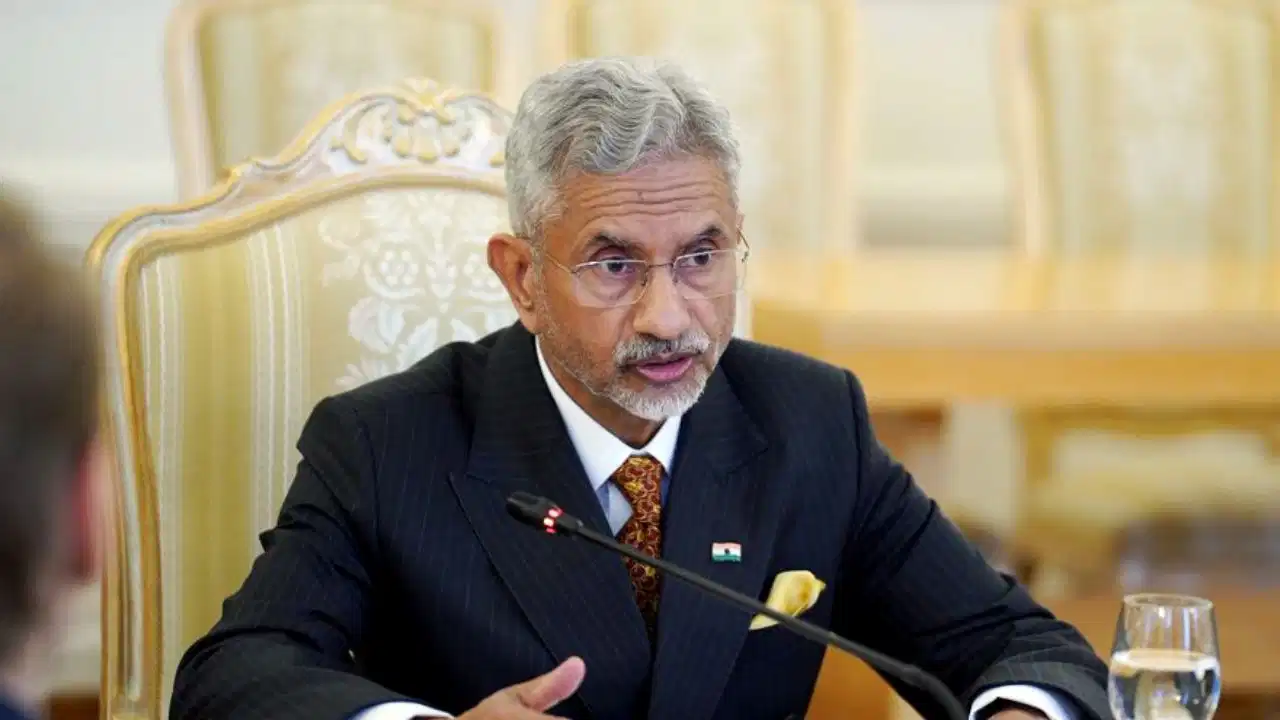
External Affairs Minister S. Jaishankar emphasised the need for reform in the United Nations, declaring that both India and Africa must not be overlooked in global decision-making processes. Speaking at a forum in Addis Ababa, he articulated the importance of a more democratic and representative global governance structure, particularly in the context of the UN Security Council.

Jaishankar’s comments directly address ongoing concerns about underrepresentation in international organisations. He argued that the current structure does not adequately reflect the realities of the modern world, thereby impeding effective governance and decision-making. The call for reform underscores India’s intention to play a more significant role in global affairs, as it seeks to enhance its influence in regional and global platforms where crucial policies are shaped.

India-Pak Tensions at the United Nations

During discussions at the United Nations, India took a firm stance against Pakistan, particularly in relation to its nuclear capabilities. The Indian delegation asserted that nuclear weapons should not be perceived as routine components of state policy. This statement was part of a broader effort to challenge what India described as nuclear blackmail.

Furthermore, Indian representatives expressed regret over Pakistan’s alleged misuse of the UN platform to disseminate misinformation regarding Jammu and Kashmir. This exchange highlights the ongoing tensions between the two nations, particularly concerning issues of national security and territorial integrity.

The remarks at the UN reflect India’s commitment to countering perceived threats and misinformation while reinforcing its position on global security matters. India’s objections to Pakistan’s rhetoric serve to underline the delicate geopolitical landscape in South Asia.

Int’l Developments Outside the UN

In a separate international development, a court in Paris sentenced a 29-year-old Indian man to two decades in prison for orchestrating an online child abuse network. This case has drawn attention to growing concerns regarding child exploitation and the responsibilities of internet platforms in safeguarding minors. Meanwhile, in Washington, US President Donald Trump announced a deal with Russian President Vladimir Putin for diesel supply to American and global markets.

This deal arose following congressional approval for tariffs on oil and gas purchases from Russia, leading to bipartisan criticism from political figures, including US Senator Richard Blumenthal, who labelled the agreement as an embarrassment. Trump also claimed he had been overlooked for the Nobel Peace Prize, asserting he deserved recognition for his past diplomatic efforts.

This statement accompanies ongoing discussions surrounding international awards and their implications for political leaders. In another context, Elon Musk highlighted Reliance-backed companies’ financial contributions to the Bharatiya Janata Party, intensifying scrutiny of corporate influences in Indian politics amidst allegations of Reliance obstructing the entrance of Starlink into the Indian market.

Long or Short, get news the way you like. No ads. No redirections. Download Newspin and Stay Alert, The CSR Journal Mobile app, for fast, crisp, clean updates!

App Store –  https://apps.apple.com/in/app/newspin/id6746449540 

Google Play Store – https://play.google.com/store/apps/details?id=com.inventifweb.newspin&pcampaignid=web_share

Latest News

Popular Videos
