


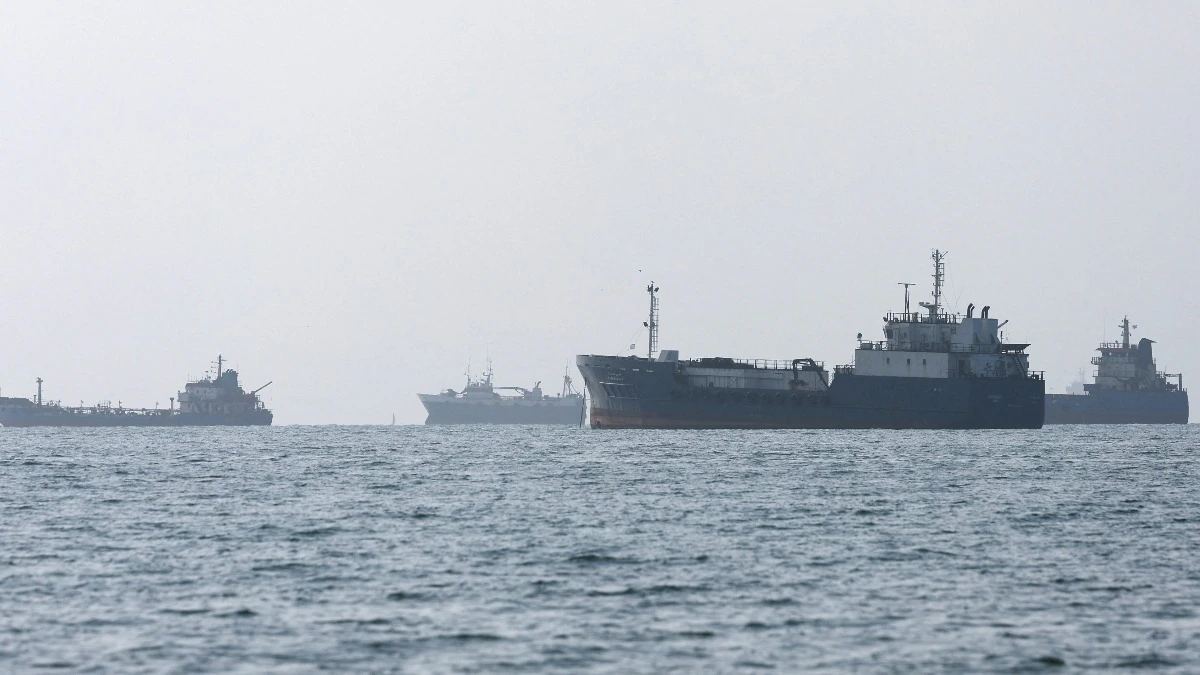

Iran has turned the Strait of Hormuz into a critical point of negotiation, with the country rejecting the United States’ response to its seven conditions for reopening this vital waterway. Tehran asserts that several of its demands remain unresolved, which could prolong the ongoing diplomatic stalemate. Mohsen Rezaei, the security chief of Iran and secretary of the Supreme National Security Council, described the US response as “insufficient”, according to reports from Iranian state media.
Rezaei emphasised that the United States must clarify its stance on outstanding issues before any further progress can be achieved. He stated, “We presented seven conditions to the Americans and clearly stated that the Strait of Hormuz would not be opened to them, and no negotiations would take place, until these conditions are met.” This indicates Iran’s firm position regarding the negotiations.
The Strait of Hormuz is strategically significant, accounting for approximately twenty per cent of the world’s oil and liquefied natural gas shipments. The ongoing discord poses a risk of escalating tensions surrounding this crucial maritime route, particularly following the onset of conflict in late February due to US and Israeli military actions against Iran.
Diplomatic Efforts and Disagreements
The United States has been communicating through intermediaries in Qatar, who have been facilitating dialogue between the two nations in an attempt to resolve the conflict and restore shipping routes. Iranian officials have indicated that the US proposal aims to rebuild trust and enhance a prior memorandum of understanding established in June, which had temporarily secured a ceasefire and addressed issues related to both the Strait of Hormuz and Iran’s nuclear programme.
Reports suggest that the primary disagreement between the two countries lies in the sequence of implementing the proposed steps, rather than in the specific elements of the plan itself. This indicates that while there may be some common ground, the lack of agreement on procedural matters continues to hinder progress.
Iran has also made it clear that it is not willing to discuss its nuclear programme as part of the negotiations concerning the Strait of Hormuz. Esmaeil Baghaei, spokesperson for the Iranian Foreign Ministry, stated that the US proposals largely mirror Washington’s previous positions, especially regarding nuclear issues. He reiterated that Iran’s immediate focus remains on the security of the Strait of Hormuz.
Military Escalation and Regional Implications
Iran’s Foreign Minister, Abbas Araghchi, has warned that the nation is prepared for a military response if the United States opts for a confrontational approach. During a meeting with foreign diplomats in Tehran, Araghchi expressed hope for negotiations but affirmed that Iran would defend itself if military actions were resumed.
He stated, “If they again move towards military solutions, we are more prepared than before and will take whatever action is necessary to defend ourselves.” In addition, Iranian military spokesperson Mohammad Akraminia announced plans to extend the range of the country’s missile capabilities. This military readiness underscores the increasing tensions between Iran and the US, as well as the broader implications for regional stability.
The conflict has also expanded beyond the US and Iran, with President Donald Trump indicating that Washington is contemplating joining Saudi Arabia’s military actions against the Iran-aligned Houthi movement in Yemen. Following recent attacks on Saudi airports, Trump remarked, “We may. We’re going to look at it,” signalling a potential escalation in the regional conflict.
Long or Short, get news the way you like. No ads. No redirections. Download Newspin and Stay Alert, The CSR Journal Mobile app, for fast, crisp, clean updates!
App Store – https://apps.apple.com/in/app/newspin/id6746449540
Google Play Store – https://play.google.com/store/apps/details?id=com.inventifweb.newspin&pcampaignid=web_share