


Robert E Hall and Michael Woodford Win 2026 Nobel Prize in Economics
The CSR Journal Magazine

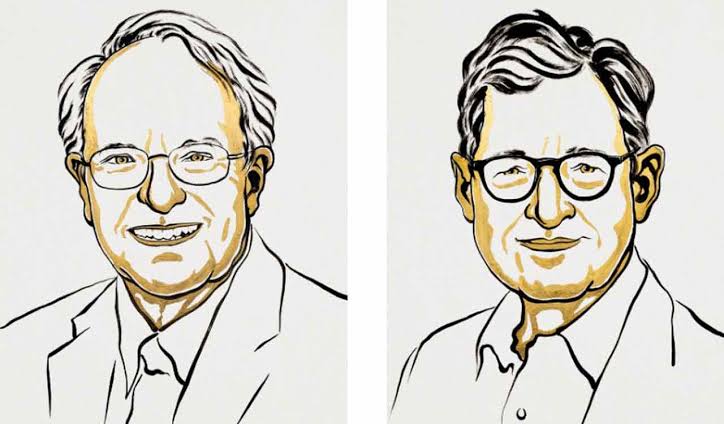
Robert E Hall and Michael Woodford have been awarded the 2026 Nobel Prize in Economics for their contributions to the microeconomic foundations of macroeconomic stabilisation. Their significant research has enhanced the understanding of how governments and central banks can effectively respond to economic fluctuations, including recessions, inflationary periods, and variations in consumer spending.

The Royal Swedish Academy of Sciences, which announced this prize, acknowledges their development of advanced models that inform economic policy-making. This award was previously known as the Sveriges Riksbank Prize in Economic Sciences in Memory of Alfred Nobel, highlighting the importance of their findings in enhancing economic stability.

Notable Backgrounds of the Economists

Robert E Hall is a distinguished professor at Stanford University, situated in California, United States. Born in 1943 in Palo Alto, Hall has dedicated his career to researching the mechanisms that underpin the functioning of the broader economy. His work continues to influence contemporary economic thought.

Michael Woodford holds a professorship at Columbia University in New York, United States. Born in 1955 in Chicopee, Woodford has made substantial contributions to understanding the interplay between economic decision-making and governmental policies. Together, Hall and Woodford have been recognised for their innovative macroeconomic models that sharpen policymakers’ insights into economic dynamics.

Impact of Their Research on Economic Policy

Economic systems experience cycles of growth and contraction, with recessions often leading to increased unemployment and decreased incomes. Conversely, periods of rapid economic expansion may result in inflationary pressures. Historical economic models proved inadequate during the oil crises of the 1970s, which saw many Western economies grappling with simultaneous slow growth, high unemployment, and rising inflation. The measures implemented to bolster these economies frequently fell short of achieving their intended outcomes.

In response, Hall and Woodford have revitalised existing models by anchoring them in the principles of microeconomics. This branch of economics considers how individual households and businesses make decisions in response to price changes, savings behaviour, and government policy initiatives. A pivotal aspect of their research is the concept that both households and businesses contemplate future conditions when making their economic choices.

This forward-looking perspective suggests that effective communication of governmental and central bank intentions can significantly influence public and business expectations, ultimately guiding economic activity. The models introduced by Hall and Woodford have equipped policymakers with tools to optimise the timing of fiscal interventions, such as government spending and taxation adjustments, alongside monetary strategies like adjusting interest rates.

John Hassler, Chair of the Committee for the Prize in Economic Sciences, noted the profound impact of the laureates’ research. He stated that their work has established a stable theoretical framework for models currently employed by governments and central banks worldwide. This advancement has markedly enhanced the ability to respond to economic shocks, including energy crises and abrupt shifts in household consumption patterns.

Long or Short, get news the way you like. No ads. No redirections. Download Newspin and Stay Alert, The CSR Journal Mobile app, for fast, crisp, clean updates!

App Store –  https://apps.apple.com/in/app/newspin/id6746449540 

Google Play Store – https://play.google.com/store/apps/details?id=com.inventifweb.newspin&pcampaignid=web_share

Latest News

Popular Videos
