


app-store-logo
play-store-logo
February 25, 2026

Indoor Plants: How They Boost Air Quality and Create Healthier, More Comfortable Spaces
The CSR Journal Magazine

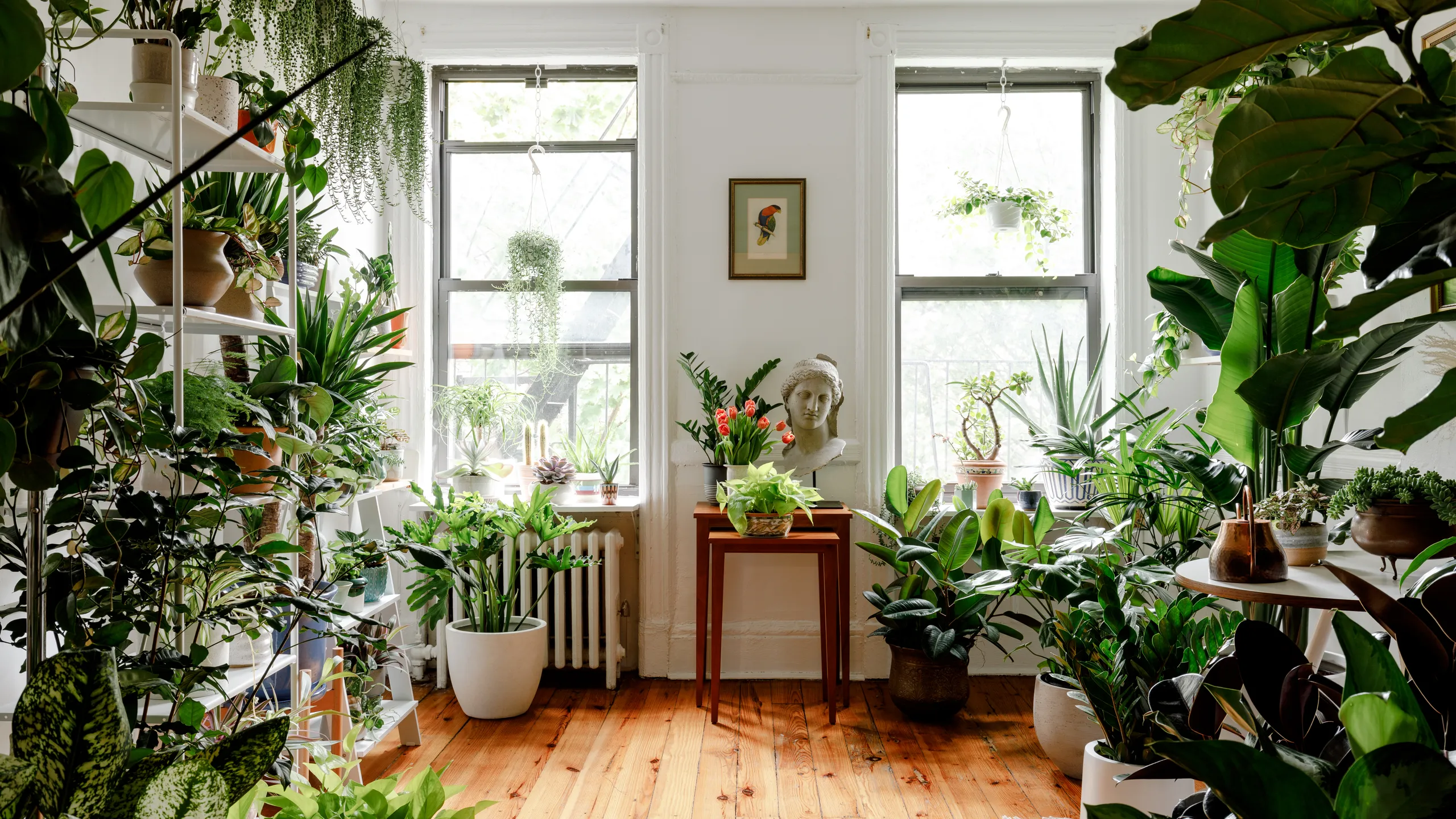
Recent research from the University of Surrey’s Global Centre for Clean Air Research shows that indoor plants and living walls can significantly improve indoor environments. The study emphasizes that when incorporated correctly, these green solutions can enhance air quality and thermal comfort, making buildings healthier and more resilient against climate challenges.

Conducted by a team of 35 experts from various countries including the UK, USA, India, and Brazil, the findings reveal the extensive benefits of indoor greenery in residential and commercial spaces.

How Indoor Greenery Enhances Comfort

As published in the journal Building and Environment, the study evaluated 26 different indoor plant systems. The researchers found that larger greening initiatives can create a cooling effect in indoor environments, with temperatures feeling two degrees cooler despite actual temperature readings remaining unchanged. This implies that strategic placement of houseplants can lead to a more comfortable living or working atmosphere.

Health Benefits of Houseplants Revealed

Lead researcher Professor Prashant Kumar emphasized that the average person spends around 90 percent of their life indoors, yet the extent of how indoor plants can transform such spaces is still not fully understood. The collaborative research highlights that integrating plants into indoor environments can yield significant positive changes, especially regarding heat, humidity, and reducing pollutants.

Considerations for Effective Plant Use

While the advantages of indoor plants are clear, the effectiveness varies depending on species and cultivation conditions. Professor Kumar noted that the benefits are not automatic; they depend on the appropriate selection of plants, suitable growing conditions, and proper maintenance. Viewing indoor greenery as an integral part of environmental infrastructure rather than mere decoration is essential for maximizing its potential benefits.

The Role of Plants in Urban Spaces

Co-author Dr. Tijana Blanusa of the Royal Horticultural Society illustrated that incorporating indoor planting can be an effective method to introduce the benefits of nature into urban areas, schools, and other spaces where access to greenery may be limited. This connection to nature is increasingly crucial in densely populated environments.

Future Research Directions

The researchers highlight the necessity for additional long-term studies in real-world settings to develop comprehensive design guidelines. Nonetheless, the emerging evidence supports a reevaluation of how houseplants could play a vital role in urban planning, especially in light of ongoing climate change. This research proposes that simple additions like houseplants might be crucial in enhancing the livability of urban spaces in the future.

Long or Short, get news the way you like. No ads. No redirections. Download Newspin and Stay Alert, The CSR Journal Mobile app, for fast, crisp, clean updates!

App Store –  https://apps.apple.com/in/app/newspin/id6746449540 

Google Play Store – https://play.google.com/store/apps/details?id=com.inventifweb.newspin&pcampaignid=web_share

Latest News

Popular Videos
