


Indian Pot Belly Reflects Underlying Metabolic Issues
The CSR Journal Magazine

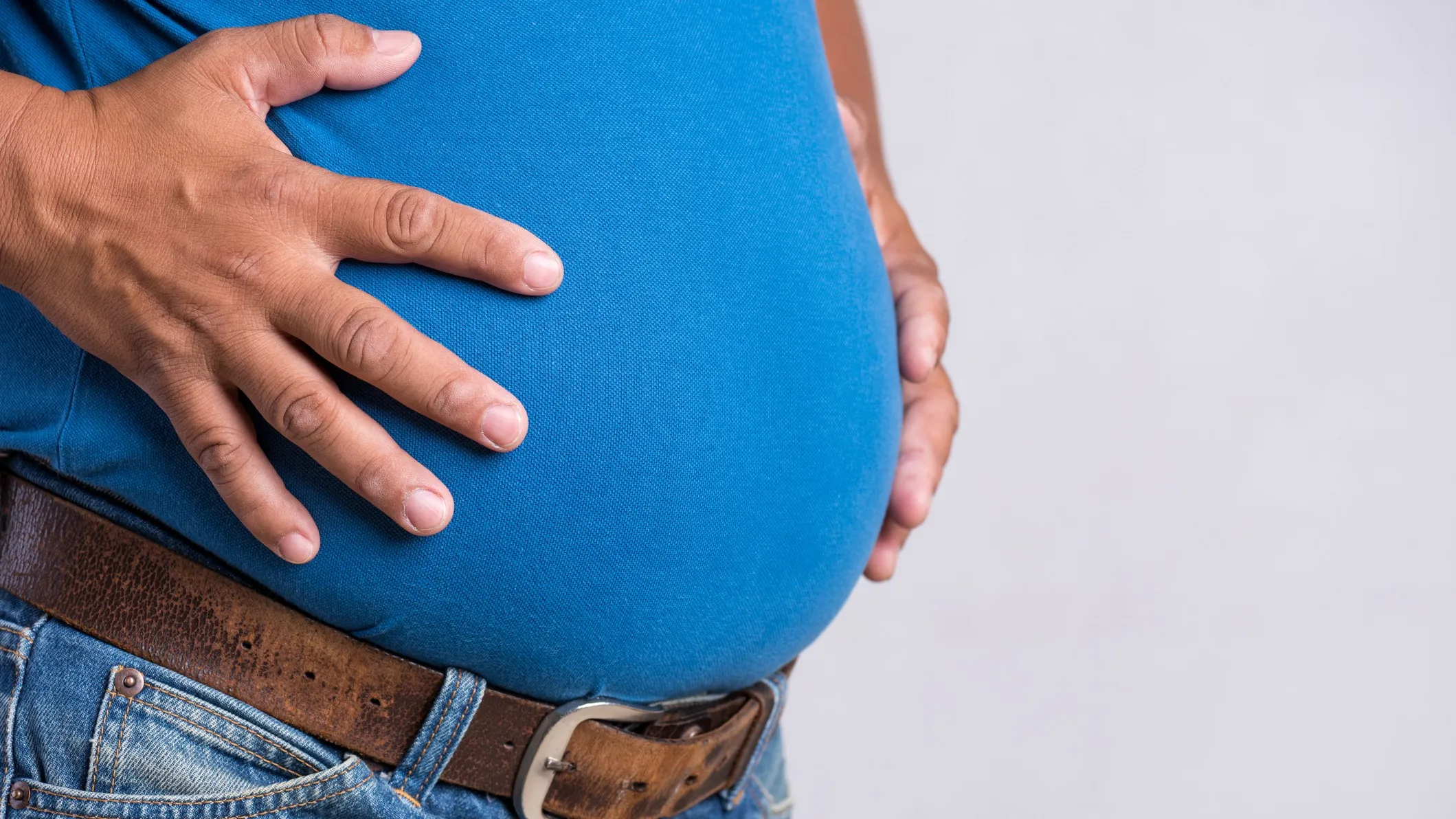
The prevalence of pronounced abdominal fat among Indian men is becoming increasingly noticeable throughout the country, in various public settings. This physical characteristic, often dismissed as mere weight gain or a consequence of ageing, is gaining recognition as an indicator of more serious metabolic problems. Dr. Sharwari D Dua, a Consultant Physician and Endocrinologist at Fortis La Femme in New Delhi, explains that Indian men exhibit a genetic predisposition to storing fat in the abdominal region compared to many other populations.

Dr. Dua elaborates that for any given Body Mass Index (BMI), South Asians—especially Indians—exhibit a greater tendency to accumulate fat. This phenomenon is referred to as the “thin-fat” concept. Indian men frequently demonstrate a higher waist circumference and waist-to-hip ratio, both of which denote increased visceral fat. The accumulation of visceral fat, which is stored deep within the abdomen around vital organs, indicates that BMI alone does not suitably represent metabolic health among this demographic.

It is important to note that an individual may fall within a seemingly “normal” weight category while still harbouring unhealthy fat around their midsection. The distinction between temporary bloating and persistent abdominal fat is significant, with the latter being a more serious health risk linked to various metabolic disorders.

Comparing Pot Belly and Bloating

Many individuals tend to confuse transient bloating, often the result of digestive issues or dietary intolerances, with the more dangerous accumulation of abdominal fat. Bloating can fluctuate throughout the day and is generally not persistent; it arises from factors such as gas, overeating, or particular food sensitivities. In contrast, potbelly fat develops gradually and tends to remain constant over time.

Medical professionals caution that this type of fat holds greater health risks, as it is frequently associated with serious metabolic complications. Dr. Dua identifies a substantial segment of the Indian population as fitting the MONO phenotype, which stands for “Metabolically Obese, Non-Obese.” These individuals may appear overweight while carrying significant metabolic risk, thereby increasing their susceptibility to conditions such as insulin resistance, Type 2 diabetes, and cardiovascular diseases.

Experts assert that apart from genetic factors, contemporary lifestyle choices are exacerbating this issue. Sedentary routines, high-caloric diets, stress, inadequate sleep, excessive alcohol use, and insufficient physical activity contribute to the troubling trend of fat accumulation around the abdomen.

Health Risks Associated with Abdominal Fat

Visceral fat is fundamentally distinct from subcutaneous fat, as it is metabolically active and strongly linked to lifestyle-related diseases. Medical professionals underscore that excessive abdominal fat can lead to a range of health complications, including Type 2 diabetes, high blood pressure, fatty liver disease, and elevated cholesterol levels. Due to increased health risks among South Asians, the World Health Organization has revised the BMI cut-offs for this demographic, setting thresholds of 23 for overweight and 25 for obesity.

To effectively manage abdominal fat and mitigate associated health risks, Dr. Dua asserts that solely relying on body weight or BMI is insufficient. Regular monitoring of waist circumference, blood sugar levels, and lipid profiles is crucial, particularly for individuals with abdominal fat. He recommends incorporating more daily physical activity, strength training, improving sleep quality, and adopting a balanced, protein-rich diet while reducing the intake of ultra-processed foods.

Despite the normalization of potbellies among Indian men, doctors consistently warn that sustained abdominal fat may indicate underlying metabolic disorders that require attention and intervention. The public should remain alert to these potential health implications and prioritise proactive health measures.

Long or Short, get news the way you like. No ads. No redirections. Download Newspin and Stay Alert, The CSR Journal Mobile app, for fast, crisp, clean updates!

App Store –  https://apps.apple.com/in/app/newspin/id6746449540 

Google Play Store – https://play.google.com/store/apps/details?id=com.inventifweb.newspin&pcampaignid=web_share

Latest News

Popular Videos
