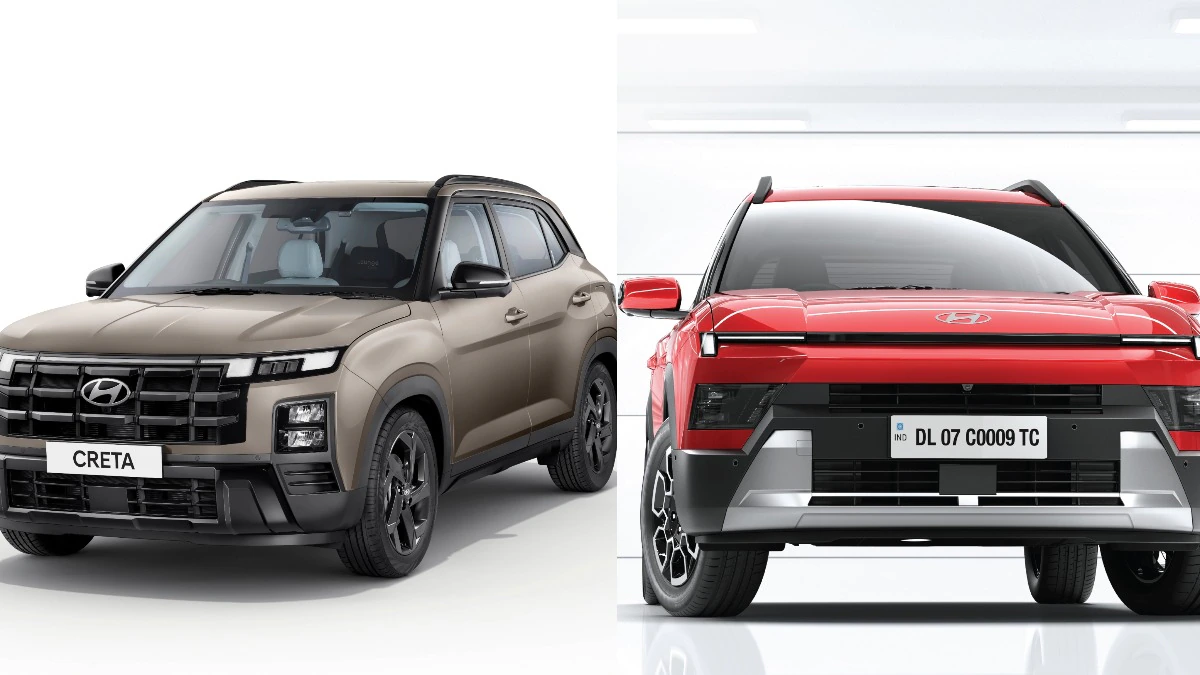
Hyundai has introduced the Bayon in the mid-size SUV segment, priced between Rs 10 lakh and Rs 18 lakh (ex-showroom). This launch comes as the Creta has solidified its position as a market leader, making the comparison between these two models particularly noteworthy. Both vehicles are powered by a 1.5-litre naturally aspirated petrol engine and share several comfort features, yet they take different approaches to technology and practicality.
The Bayon emphasises modern technology and practicality, while the Creta provides a wider range of powertrain options and additional features aimed at enhancing comfort for rear-seat passengers. This article will explore the key differences between the two models.
Space, Practicality, and Fuel Capacity
In terms of luggage capacity, the Bayon has a notable advantage despite being the shorter SUV. It boasts a 505-litre boot, which is 72 litres larger than the Creta’s 433-litre compartment. This extra space could be beneficial for families on longer trips. The Creta measures 85mm longer and 30mm taller, with a wheelbase that is only 10mm longer than the Bayon. However, the Bayon is 20mm wider and has a ground clearance that is 15mm higher.
The Bayon’s larger boot offers a practical edge, although the Creta features a larger fuel tank with a capacity of 50 litres compared to the Bayon’s 43 litres. This aspect may influence the choice for buyers who prioritise fuel range.
While the Bayon claims a marginal advantage in fuel efficiency of 0.9kpl over the Creta in its CVT configuration, the real-world economy will depend on various driving conditions. The Creta’s broader powertrain options, including turbo-petrol and diesel variants, cater to a wider audience.
Technology and Comfort Features
The Bayon stands out with its advanced cabin technology, featuring a 12.3-inch infotainment touchscreen and a matching driver’s display, both larger than the Creta’s 10.25-inch screens. Additionally, it introduces Hyundai’s generative AI voice assistant, which facilitates various functions, including navigation and climate control. This feature is absent in the Creta.
Both SUVs are equipped with wireless Android Auto and Apple CarPlay, connected-car technology, and over-the-air updates. They also share a panoramic sunroof and an eight-speaker Bose audio system. However, the Creta offers more comfort features, particularly for rear-seat passengers, such as a powered boss mode that allows rear occupants to adjust the front passenger seat for additional legroom.
Moreover, the Creta includes dual-zone automatic climate control, a rear sunshade, and an air purifier, enhancing the overall comfort for passengers. While both models provide ventilated front seats and reclining rear seats, the additional conveniences in the Creta may appeal to families or those who frequently travel with passengers.
Safety Features and Pricing Comparison
In terms of safety, both SUVs come equipped with six airbags, a 360-degree camera, and advanced driver assistance systems (ADAS). The Bayon features a Level 2+ ADAS package, offering enhanced capabilities compared to the Creta’s Level 2 system. However, the Creta includes front and rear dashcams, which are not available on the Bayon.
Price-wise, the Bayon’s petrol-manual variants are priced Rs 91,000 lower than comparable Creta versions at the entry level, and Rs 63,000 less at the top end. For petrol-CVT variants, the differences are Rs 65,000 and Rs 69,000, respectively. This pricing makes the Bayon a more economical choice while offering larger screens and advanced technology.
Despite the Bayon’s advantages, the Creta’s broader engine range and additional comfort features may justify the higher price for some buyers. Discounts on the existing Creta models could also influence the final decision for potential customers.
Long or Short, get news the way you like. No ads. No redirections. Download Newspin and Stay Alert, The CSR Journal Mobile app, for fast, crisp, clean updates!