


“He Needs to Be Prosecuted”: Mahua Moitra Calls CEC Gyanesh Kumar a Criminal
The CSR Journal Magazine

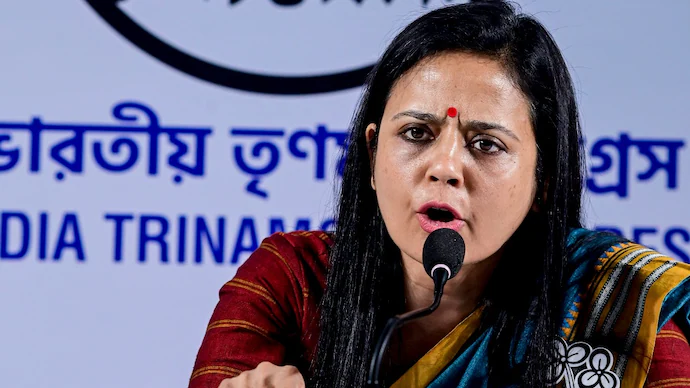
On September 25, 2026, TMC MP Mahua Moitra participated in a demonstration at Jantar Mantar, advocating for the resignation of Chief Election Commissioner Gyanesh Kumar. This protest followed a formal complaint she filed at the Parliament Street Police Station against Kumar. Alongside her, the Indian Youth Congress (IYC) had organised a march from Raisina Road to Jantar Mantar, calling for Kumar’s resignation amid controversies surrounding the Election Commission of India (ECI).

During the protest, Moitra characterised Gyanesh Kumar as “a criminal” who deserves prosecution, asserting that his position was untenable. She expressed that law enforcement presence would not deter the demonstrators, stating, “The police is going to stop the protestors… The SIR process has to stop.” This statement underscored the determination of the protesters to voice their demands despite police intervention.

Context of the Ongoing ECI Controversy

The demonstrations coincide with a political dispute surrounding the SIR (State Information Reporting) initiative. An article in the Indian Express revealed that Election Commissioners Sukhbir Singh Sandhu and Vivek Joshi had raised concerns about decisions and processes related to the electoral rolls and access to databases at least 14 times over the past 10 months. The ECI characterised these concerns as routine operational queries rather than dissent, maintaining that all final decisions on the SIR were made unanimously.

Moitra’s actions are part of broader concerns regarding alleged procedural violations by Gyanesh Kumar. In her complaint, she accused him of making unilateral decisions and manipulating electoral rolls, raising questions about the integrity of the electoral process. This has elicited significant backlash from opposition parties, who feel that transparency is being compromised.

In response to similar calls for Kumar’s resignation, protests erupted in various locations across the country. Police in Patna used water cannons to disperse Congress workers demanding accountability from Kumar. This approach was mirrored in Punjab, where law enforcement also deployed water cannons against demonstrators in Chandigarh, where tensions escalated with some protesters climbing atop police vehicles.

Wider Political Implications and Future Actions

Protests against Gyanesh Kumar have spread to multiple states, including Jammu and Kashmir, Assam, Uttarakhand, West Bengal, Uttar Pradesh, Himachal Pradesh, and Manipur, indicating a widespread discontent within the political landscape. This unifying theme among opposition parties could lead to more coordinated efforts against the ECI chief.

The Congress party has hinted that it may consider moving an impeachment motion against Kumar in Parliament. The situation is set to be discussed further at the Congress Working Committee meeting scheduled for September 29 in New Delhi. This highlights the seriousness with which the party views the allegations against Kumar and their potential impact on the upcoming electoral processes.

As events continue to unfold, the political climate surrounding the ECI’s actions and its leaders will likely remain a focal point of contention among opposition parties. The calls for Gyanesh Kumar’s resignation suggest that what began as a procedural disagreement could escalate into a significant political confrontation, affecting the credibility of the electoral commission in the eyes of the public and political entities alike.

Long or Short, get news the way you like. No ads. No redirections. Download Newspin and Stay Alert, The CSR Journal Mobile app, for fast, crisp, clean updates!

App Store –  https://apps.apple.com/in/app/newspin/id6746449540 

Google Play Store – https://play.google.com/store/apps/details?id=com.inventifweb.newspin&pcampaignid=web_share

Latest News

Popular Videos
