


Imran Khan Issues Apology in Bombay HC for CEC Protest Participation
The CSR Journal Magazine

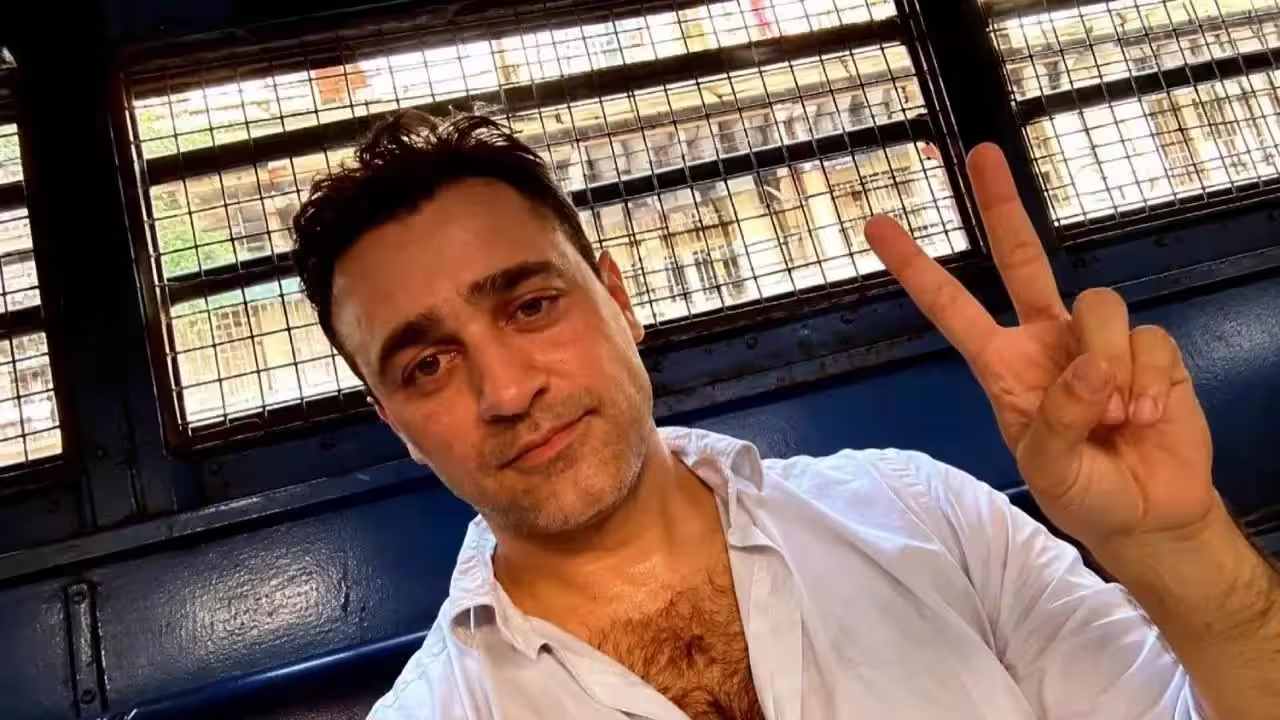
Actor Imran Khan has issued an unconditional apology to the Bombay High Court following a reprimand regarding his participation in a protest against the Special Intensive Revision (SIR) of electoral rolls. The court expressed concern over his involvement, noting that he is a citizen of the United States and questioning the appropriateness of his actions in this context.

Court’s Remarks on Citizenship and Rights

During the proceedings, Chief Justice Mahesh Chandra led a bench that scrutinised Khan’s participation in the protest. The court highlighted the distinction between the rights of Indian citizens and those holding Overseas Citizen of India (OCI) cards. The Chief Justice remarked on the potential repercussions if an Indian citizen were to engage in similar protests in the United States, suggesting that such an individual would likely face immediate deportation.

The court’s comments reflected a broader concern about the implications of foreign nationals engaging in domestic political matters. The Chief Justice stated, “What for were you there? There is a complete difference between the rights of citizens and OCI card holders.” This statement underscored the legal boundaries surrounding political participation for non-citizens.

Furthermore, the court demanded clarity from Khan regarding his intentions at the protest. The bench insisted that he categorically state that he had no association with the demonstrations, particularly as they pertained to an issue that did not concern him directly due to his citizenship status.

Context of the Protest

The protest against the Special Intensive Revision of electoral rolls has been a significant issue in recent times, drawing attention from various sectors of society. The SIR process involves a comprehensive update of the electoral rolls, which is crucial for ensuring fair and accurate representation in elections.

However, the manner in which this process is being conducted has raised concerns among certain groups, leading to public demonstrations. Khan’s involvement in the protest has sparked debate, particularly given his status as a US citizen. The legal ramifications of his actions were a focal point during the court proceedings.

Meanwhile, the judges sought to emphasise the need for adherence to the laws governing political expression for non-citizens in India. In light of the court’s admonition, Khan’s apology appears to be an effort to mitigate any potential legal consequences stemming from his actions. The court’s insistence on a clear statement regarding his participation indicates the seriousness with which it views the matter.

Implications of the Court’s Decision

The Bombay High Court’s decision to address Khan’s participation in the protest raises important questions about the intersection of citizenship, rights, and political activism. The court’s ruling may set a precedent for how similar cases involving foreign nationals are handled in the future, particularly in relation to political protests.

As the legal landscape continues to evolve, the implications of this case may resonate beyond the immediate context of Khan’s actions. It highlights the necessity for individuals, especially those holding foreign citizenship, to navigate the complexities of political engagement within a different legal framework.

The outcome of this case may influence public perception and the willingness of foreign nationals to participate in domestic political issues in India. As the court deliberates further on this matter, the broader implications for citizenship rights and political expression remain to be seen.

Long or Short, get news the way you like. No ads. No redirections. Download Newspin and Stay Alert, The CSR Journal Mobile app, for fast, crisp, clean updates!

App Store – https://apps.apple.com/in/app/newspin/id6746449540

Google Play Store – https://play.google.com/store/apps/details?id=com.inventifweb.newspin&pcampaignid=web_share

Latest News

Popular Videos
