


Government Data Reveals Pesticide Residues Exceed Safety Limits in Over 2,000 Food Samples
The CSR Journal Magazine

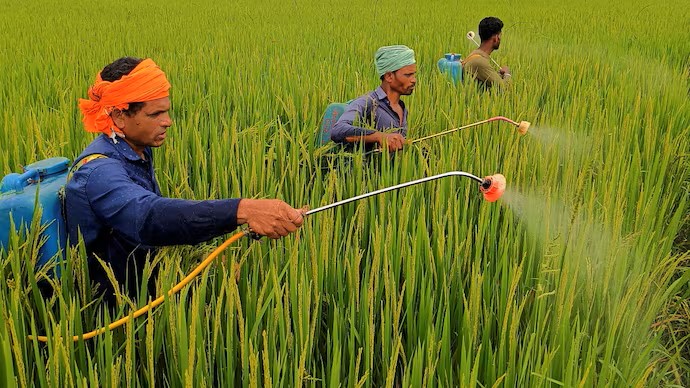
A recent government report has revealed that pesticide residues exceeded the safety limits in 2,223 food samples collected across India between 2023 and 2026. This alarming finding emerged from the National Pesticide Residue Monitoring Programme (MPRNL) administered by the Ministry of Agriculture. During this period, a total of 70,652 samples—including vegetables, fruits, spices, cereals, pulses, herbs, tea, milk, and eggs—were tested, with 2,223 samples displaying pesticide levels above the maximum residue limits (MRLs) set by the Food Safety and Standards Authority of India (FSSAI).

The samples for this study were gathered from 23 states and Union territories, encompassing areas such as Karnataka, Telangana, Punjab, Gujarat, Himachal Pradesh, and several others. Notably, Karnataka recorded the highest incidences of pesticide residues surpassing the recommended FSSAI limits. Out of 9,176 samples tested in the state, 334 exceeded the permissible pesticide levels. Maharashtra followed closely with 260 incidents from 5,295 samples tested, while Gujarat and Haryana recorded 170 and 152 cases, respectively, from 6,035 and 2,371 samples tested.

Health Implications of Pesticide Residues

The presence of pesticide residues above acceptable limits poses significant food safety risks, as consumers may unintentionally ingest these harmful chemicals. The report highlights particular concerns regarding substances such as organophosphates and endocrine disruptors. Long-term exposure to these chemicals has been linked to serious health issues, including cancer, hormonal disturbances, and developmental complications, which may also affect pregnant women and their unborn children.

While the report examines India’s relatively low national average pesticide consumption per hectare compared to other nations, it warns that this figure can obscure regional and crop-specific differences. Areas with extensive agriculture may show low average pesticide use, which does not adequately reflect high levels of pesticide application on crops meant for direct consumer consumption. Consequently, the report asserts that solely examining the national average fails to present a complete picture of consumer exposure to pesticides through food.

Pesticides Banned Internationally Still in Use in India

Another critical issue raised is the ongoing availability of pesticides in India that have been banned in several countries, including the United States, Germany, and Japan, due to health concerns. The report prompts questions regarding the regulatory framework that enables these chemicals to be manufactured and sold domestically, highlighting the influence of agrochemical companies on regulatory practices.

The report further notes the lack of accessible pesticide-testing facilities at local levels. Consumers currently have limited options for testing food themselves, highlighting the need for a wider network of testing laboratories. The recommendations include increasing testing capabilities in local markets and ensuring that contaminated food is identified before reaching consumers.

Recommendations for Action

To address the issue of pesticide residues in food, the report outlines three key recommendations. First, it suggests mandatory testing at major agricultural markets, with random tests conducted by a network of government laboratories. Second, it advocates for the prohibition of pesticides banned in other countries for domestic use. Lastly, the report emphasises the need for greater involvement of independent scientists and public health experts in regulatory bodies such as the FSSAI, free from financial ties to pesticide companies.

Overall, the data underscores the critical gap between pesticide use in agricultural practices and the safety of food products reaching consumers. With 2,223 samples failing to meet FSSAI limits out of the 70,652 tested, the report stresses the importance of enforcing adequate testing and regulatory mechanisms to ensure food safety across India.

Long or Short, get news the way you like. No ads. No redirections. Download Newspin and Stay Alert, The CSR Journal Mobile app, for fast, crisp, clean updates!

App Store –  https://apps.apple.com/in/app/newspin/id6746449540 

Google Play Store – https://play.google.com/store/apps/details?id=com.inventifweb.newspin&pcampaignid=web_share

Latest News

Popular Videos
