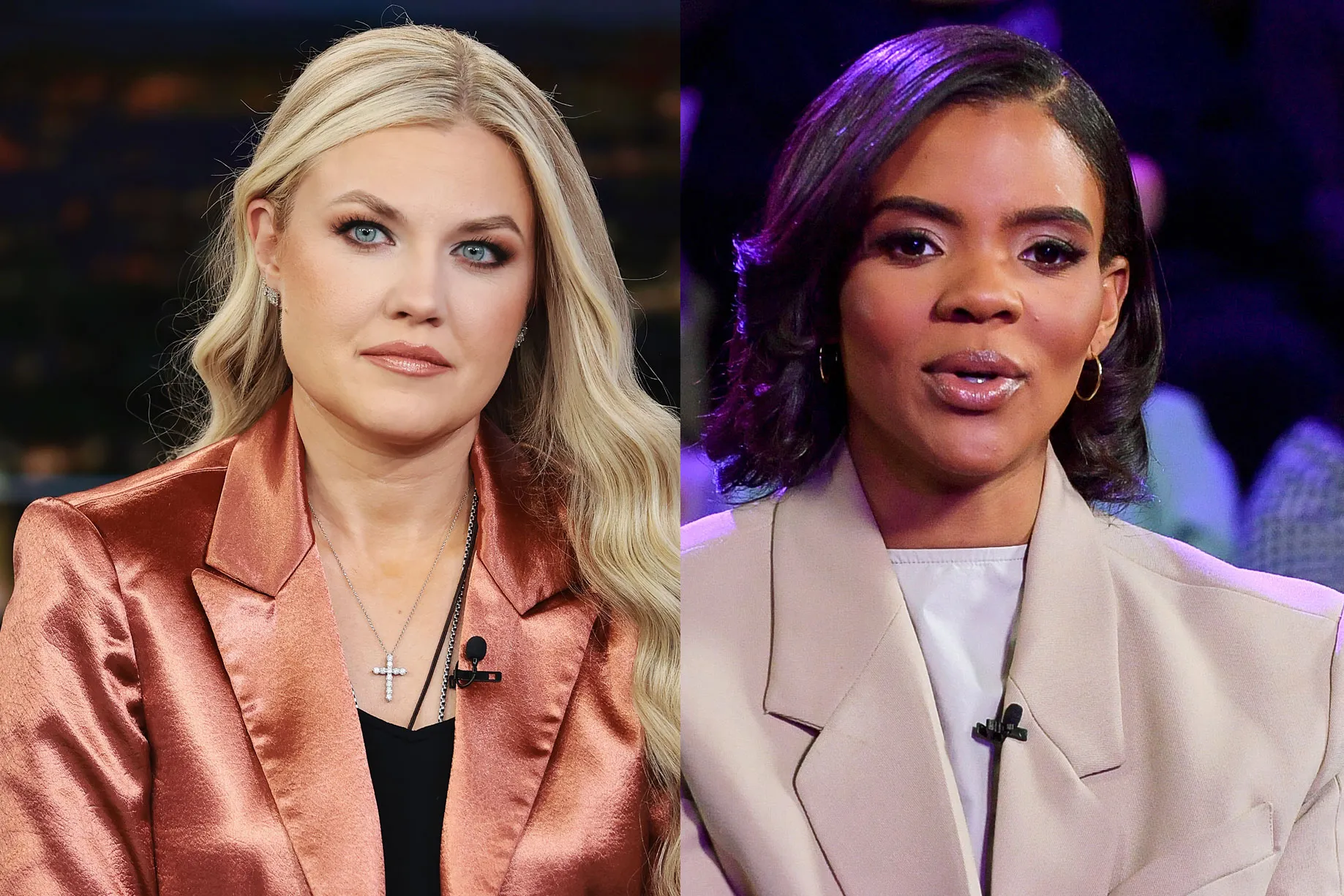
Frank McCormick has raised alarms regarding comments made by Candace Owens about Erika Kirk, emphasising that such remarks could place her safety at risk. McCormick urged for an immediate cessation of these statements, highlighting the serious implications of online rhetoric. This follows Owens’ assertion that Erika should be questioned by law enforcement, which she termed a “shocking confirmation.”
Escalating Tensions and Accountability
The dialogue surrounding Owens’ commentary has escalated noticeably, transitioning from mere political discourse to serious concerns about accountability and public safety. As Owens continued to question the circumstances surrounding the death of Charlie Kirk, this ignited warnings from critics regarding the dangers of her rhetoric. The debate has now shifted from disagreement to the potential for harmful consequences due to incendiary statements.
Framing the Discussion as Urgent
In a recent post on X, McCormick articulated the perceived urgency of the situation, stating that the fallout from public accusations can be hazardous. He highlighted the gravity of the current climate by remarking, “Candace Owens is going to get Erika Kirk murdered when one of her insane cult members decides to exact ‘justice’ for Charlie. I’m not kidding. This must stop now.” His comments were made in conjunction with a screenshot of Owens’ own statements, where she suggested that Erika’s “inner circle” warranted further investigation.
Timing and Context of Remarks
Owens made her controversial remarks after claiming to obtain new information about Erika Kirk’s associates, leading to increased scrutiny of her comments. Critics have voiced concerns that publicly calling for police questioning without any formal action from law enforcement crosses an ethical line. McCormick has expressed deep apprehension that emotionally charged language could incite action from unstable individuals supportive of Owens.
A Shift in Public Discourse
The tone of public commentary has evolved significantly, becoming increasingly personal and, at times, volatile. In high-profile cases, speculation often circulates faster than verified details, leading some observers to worry about the unpredictable repercussions of influential personalities framing allegations as near certainties. This phenomenon highlights a critical aspect of current public discourse and its implications.
The Role of Digital Media in Shaping Responsibility
Owens has maintained her stance on questioning unresolved matters surrounding Charlie Kirk’s assassination, while her detractors argue that the manner in which these questions are posed holds equal significance. This incident is part of a broader debate regarding accountability within digital media platforms, where words can spread rapidly and evoke strong reactions. The emphasis on responsible communication in such contexts remains a fundamental concern as the discourse continues to develop.