


Energy Crisis Disrupts Waterway Transport in Bangladesh
The CSR Journal Magazine

The ongoing energy crisis has significantly affected waterway transport in Bangladesh, leading to severe disruptions in services. Many people reliant on this form of transport are facing increased costs and difficulties associated with fuel shortages. The Bangladesh government is reportedly struggling to meet the demand for diesel and lubricants required for vessel operations, particularly in major cities like Dhaka.

Badiuzzaman Badal, who serves as the President of the Bangladesh Inland Waterways Association, stated that vessels based in Dhaka need between 200,000 and 300,000 litres of diesel daily. This demand is compounded by the presence of vessels in various other locations, including Bhairab, Narshingdi, Narayanganj, Aricha, Barisal, Patuakhali, and Bhola, all of which require fuel supplies.

Badal emphasised the operational challenges vessel owners are currently facing. He noted that the amount of diesel supplied by the government has been insufficient, and some vessels consume varying amounts of fuel, ranging from 250 to 700 litres per day. This has led to significant operational difficulties, affecting the livelihoods of those in the waterway transport sector.

Economic Strain on Vessel Owners

In an interview, Badal highlighted the technical details regarding the operation of these vessels, explaining that each vessel typically utilises three engines: two main engines and one generator, all of which require diesel and lubricating oil. He revealed that due to fuel supply reductions, there has been approximately a 40 per cent shortfall compared to the actual demand, putting vessel owners under considerable financial strain.

The impact of the fuel situation is further exacerbated by rising fuel prices, with diesel increasing by 15 taka per litre. Badal indicated that vessel owners are now appealing to the government to adjust fares to compensate for these increased costs. They argue that without such adjustments, the sustainability of their operations is at risk.

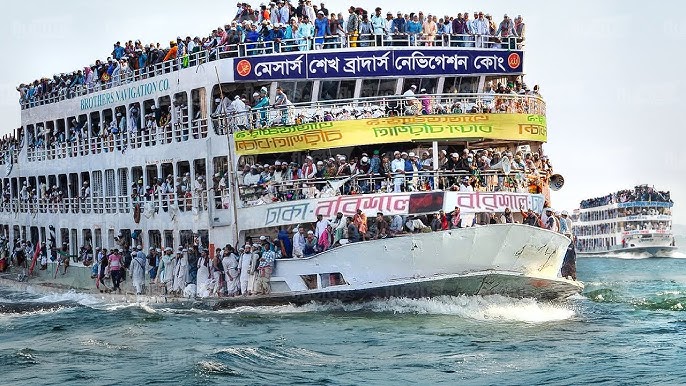
According to Badal, Bangladesh has a total of 450 passenger vessels operating across the country, with approximately 50 of these vessels commuting in and out of Dhaka. From the Sadarghat terminal—one of the busiest in Dhaka—between 30,000 and 40,000 passengers typically travel daily. However, the persistent fuel shortages have led to a drastic reduction in the number of trips, causing many vessels to remain idle.

Passenger Experience Affected by Disruptions

Despite Sadarghat terminal being a hub of activity, an observable backlog of passenger vessels indicates the extent of the disruptions. Passengers have been noticeably absent, with many opting not to travel due to the significantly reduced number of services available. As a result, the overall efficiency of waterway transport in Bangladesh has been compromised, affecting not only commuters but also the broader economy.

The disruptions underscore the interconnectedness of fuel supply issues and the economic well-being of individuals who depend on the waterway transport system. As the government reviews its fuel policies, there are hopes that measures will be implemented to alleviate the pressures currently faced by vessel operators and passengers alike.

Looking forward, stakeholders within the waterway transport sector are urging for immediate intervention to restore normalcy. The situation remains fluid, and continued monitoring is essential to address these challenges effectively in the coming weeks.

Long or Short, get news the way you like. No ads. No redirections. Download Newspin and Stay Alert, The CSR Journal Mobile app, for fast, crisp, clean updates!

App Store –  https://apps.apple.com/in/app/newspin/id6746449540 

Google Play Store – https://play.google.com/store/apps/details?id=com.inventifweb.newspin&pcampaignid=web_share

Latest News

Popular Videos
