


Diabetes Prevention Becomes National Focus in Rural India
The CSR Journal Magazine

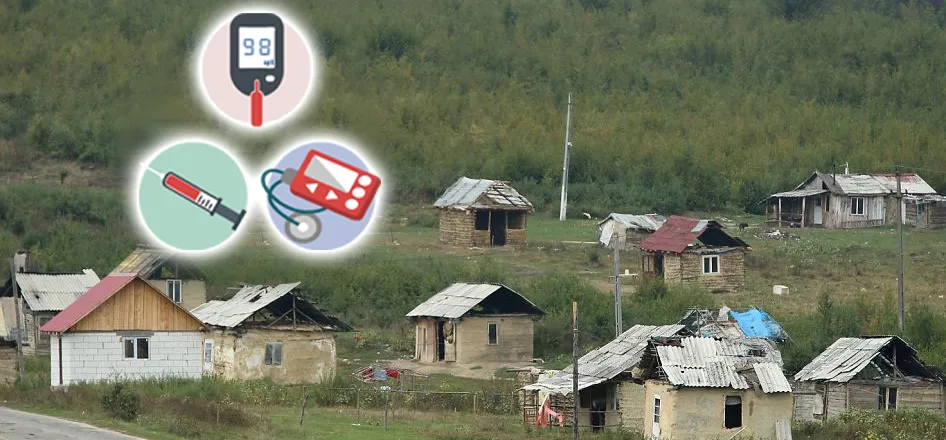
Dr Jitendra Singh, Union Minister of State, emphasised the need for diabetes prevention to be recognised as a national priority in his recent address. During the inauguration of the Research Society for the Study of Diabetes in India (RSSDI) Diabetes Rural Outreach Digital Portal, he outlined the escalating burden of diabetes in rural areas. The minister noted that while diabetes has long been associated with urban lifestyles, its prevalence is increasingly being witnessed in rural populations.

Singh pointed out that access to preventive care and early detection is essential for villages and underserved regions. He stated that the traditional reliance on urban health centres is no longer sufficient, as individuals in these areas require tailored access to screening, medical advice, and ongoing support.

Expressing confidence in India’s advancements in healthcare and technology, Singh called for a concerted effort to extend these benefits to rural populations. He remarked that the focus should not solely be on treating diabetes, but also on preventing new cases through early intervention.

Importance of Early Detection and Lifestyle Changes

Early detection of diabetes is crucial, as many individuals may be unaware they have the condition until complications arise. Singh highlighted that effective screening initiatives could identify patients with elevated blood sugar levels, thus providing opportunities to implement lifestyle modifications and necessary medical care before severe health issues develop.

He noted that lifestyle factors play an important role in managing diabetes, particularly for those at high risk. Emphasising regular physical activity, maintaining a healthy weight, and adopting a balanced diet were among the recommendations made to enhance metabolic health. Routine health checks are also essential for catching high blood sugar levels in their early stages.

Singh underlined the importance of timely interventions through sustained follow-up with healthcare providers to reduce the overall diabetes burden. Engaging communities in health education and lifestyle adjustments can significantly impact prevention efforts.

Challenges of Healthcare Access in Rural Areas

Access to specialised healthcare services remains a significant challenge for rural populations, often forcing individuals to travel extensive distances for medical treatment. This logistical barrier can hinder timely diagnosis and follow-up care. The RSSDI Rural Outreach Programme is designed to mitigate these issues by promoting diabetes awareness, as well as facilitating screening and treatment closer to home.

The initiative has made strides in reaching approximately 30 villages across several Indian states and seeks to introduce a structured approach to diabetes management that includes long-term follow-up. Such community-focused efforts play a vital role in identifying at-risk individuals and coordinating appropriate healthcare connections.

Regular engagement and follow-up visits are crucial given that diabetes is a chronic condition requiring continuous management. The outreach efforts are an attempt to bridge the healthcare gap experienced by those living in rural settings.

Utilising Technology for Enhanced Diabetes Management

The newly introduced digital portal is anticipated to enhance the outreach programme by facilitating better documentation and continuity of care for patients. Maintaining digital records will allow healthcare teams to track screening results and patient progress effectively.

By systematically gathering health information from rural populations, researchers and policymakers can gain insights into how diabetes impacts various communities. This data collection can improve understanding of disease patterns and inform the development of tailored public health strategies.

Singh expressed that leveraging community healthcare alongside scientific data collection can yield valuable real-world data relevant to rural India. This collaboration could contribute significantly to designing effective diabetes prevention frameworks across the nation.

Strategic Cooperation for Long-Term Solutions

Dr Jitendra Singh advocated for increased collaboration among government bodies, academic institutions, technology firms, and local health workers. He stressed that addressing diabetes requires a multifaceted approach, focusing on prevention, early detection, and sustained care.

Promoting community programmes can make diabetes services more accessible, while utilising digital tools could improve record-keeping and follow-up care. Data generated through these initiatives can help identify critical gaps in healthcare, guiding resource allocation.

To confront the rising prevalence of diabetes in both urban and rural settings, integrating preventive strategies into the national public health agenda is imperative. Expanding screening measures and encouraging healthier lifestyles are essential steps towards mitigating the growing diabetes burden in India.

Long or Short, get news the way you like. No ads. No redirections. Download Newspin and Stay Alert, The CSR Journal Mobile app, for fast, crisp, clean updates!

App Store –  https://apps.apple.com/in/app/newspin/id6746449540 

Google Play Store – https://play.google.com/store/apps/details?id=com.inventifweb.newspin&pcampaignid=web_share

Latest News

Popular Videos
