


Delhi to Enforce Stricter Rules on Non-BS-VI Vehicles from November 1
The CSR Journal Magazine

Delhi will enforce stricter regulations on vehicles that do not comply with BS-VI emission standards starting November 1. The restrictions will specifically target petrol and diesel vehicles registered outside the national capital that fail to meet these standards. Electric and CNG vehicles will remain exempt from these limitations, allowing them to operate freely within the city.

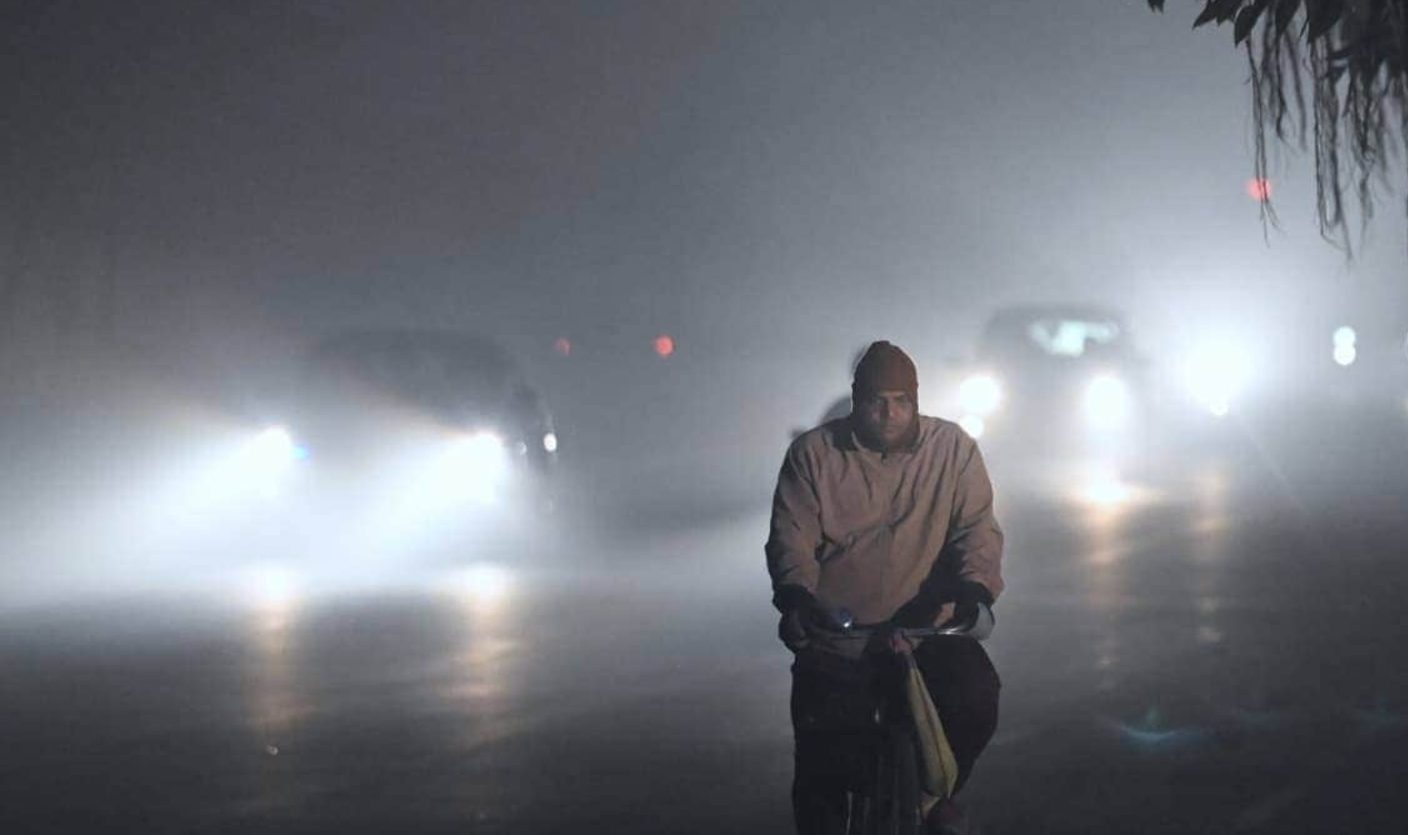
The initiative is part of a broader strategy to combat winter air pollution in the region. Environment Minister Manjinder Singh Sirsa convened a meeting on Sunday with traffic police and officials from neighbouring districts in the National Capital Region (NCR) to discuss the implementation of these measures and enhance pollution control efforts.

During the meeting, officials reviewed strategies to tighten checks on vehicles that contribute significantly to air pollution. This includes enforcing Pollution Under Control (PUC) requirements and taking action against vehicles that are visibly emitting pollutants. The discussions also covered measures to restrict overage petrol and diesel vehicles in accordance with existing regulations.

Understanding BS-VI Emission Standards

Bharat Stage (BS) is a set of vehicle emission standards established by the Indian government to regulate air pollution from motor vehicles. The BS-VI standards, which came into effect nationwide in April 2020, specify permissible emission levels for various pollutants, including carbon monoxide, nitrogen oxides, hydrocarbons, and particulate matter. These standards are aligned with European emission norms and aim to phase out vehicles that emit higher levels of harmful pollutants.

As part of the new regulations, trucks that are not destined for Delhi will be required to utilise the Eastern and Western Peripheral Expressways. This measure aims to minimise unnecessary heavy vehicle traffic within the city, thereby contributing to improved air quality.

Additionally, buses operating in the Delhi-NCR region from outside areas will need to adhere to specific fuel and emission standards. Only electric, CNG, and BS-VI-compliant diesel buses will be permitted to operate in the region, ensuring that public transport contributes to cleaner air.

Enforcement and Public Awareness Initiatives

In response to the deteriorating air quality, the Delhi Traffic Police reported an average of over 10,000 challans issued daily for traffic and pollution violations as part of ongoing enforcement efforts. The government plans to install display boards at border checkpoints to inform motorists and interstate transport operators about the new vehicle restrictions.

A comprehensive awareness campaign promoting public transport will also be launched as part of the initiative. The emphasis will be on ensuring smoother traffic flow, stricter checks on non-compliant vehicles, and enhancing the cleanliness of public transport services under the guidance of Chief Minister Rekha Gupta.

Concerns regarding air and water pollution in Delhi-NCR have intensified, with the overall Air Quality Index (AQI) recently recorded at 168. PM2.5 and PM10 have been identified as the primary pollutants. Monitoring stations have reported varying levels of pollution, with some areas recording figures around 110, while others have exceeded 180. In response to this situation, the Commission for Air Quality Management (CAQM) activated Stage 1 of the Graded Response Action Plan (GRAP) across the region on October 21.

Long or Short, get news the way you like. No ads. No redirections. Download Newspin and Stay Alert, The CSR Journal Mobile app, for fast, crisp, clean updates!

App Store – https://apps.apple.com/in/app/newspin/id6746449540

Google Play Store – https://play.google.com/store/apps/details?id=com.inventifweb.newspin&pcampaignid=web_share

Latest News

Popular Videos
