


Delhi Police Decides Not to Pursue 13 FIRs Linked to Last Month’s Student Protest
The CSR Journal Magazine

The Delhi Police has informed the Supreme Court that it does not intend to pursue 13 First Information Reports (FIRs) related to the student protests that occurred last month. This communication marks a significant development in the ongoing legal proceedings regarding the protests.

Background of the Student Protests

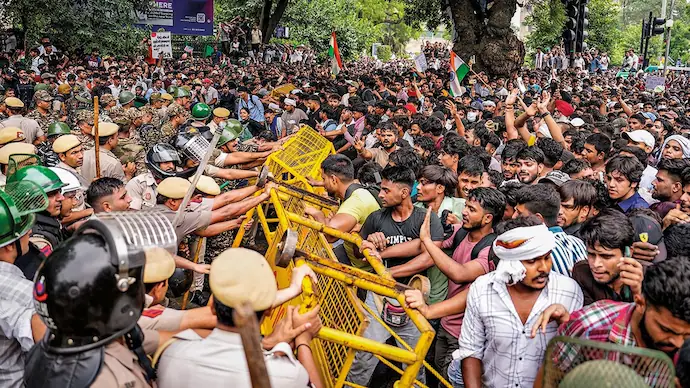
The protests, which took place in July 2026, were sparked by various demands from the student community, including calls for better educational facilities and fair treatment. These demonstrations aimed to draw attention to their grievances and were largely peaceful, according to reports. However, some incidents reportedly led to confrontations between the police and demonstrators.

In response to the events, the police registered 13 FIRs against various individuals allegedly involved in the protests. The charges ranged from public disturbance to violations of protests regulations. The law enforcement agency had initially stated that it would investigate these cases thoroughly.

As the situation evolved, various organisations and student leaders expressed concerns about the implications of these FIRs on civil liberties and student rights. They argued that pursuing these cases might create an atmosphere of fear among students, potentially hindering future peaceful protests and actions.

Police Stance and Judicial Oversight

In its recent statement to the Supreme Court, the Delhi Police mentioned that it does not wish to continue legal actions against the respondents of the FIRs. This decision comes after considering the broader implications and the nature of the protests, which were largely peaceful in intent. The police indicated that they are focused on maintaining public order and do not intend to escalate the matter further.

This announcement has raised questions regarding the role of law enforcement in managing civil demonstrations, especially those by students. Legal experts are discussing what this means for the future of student activism and police engagement in similar scenarios. The case has garnered significant public interest, with many stakeholders watching closely for further developments.

As the Supreme Court prepares to deliberate on this matter, the decision of the Delhi Police signals a potential shift in how authorities handle similar protests in the future. The outcome may contribute to ongoing discussions surrounding democratic rights and freedoms within India.

Conclusion and Future Implications

The Delhi Police’s announcement regarding the 13 FIRs reflects a cautious approach towards handling student protests and highlights the ongoing negotiations between civil rights and law enforcement practices. As the Supreme Court processes this information, the response from various student groups and civil society will likely shape future interactions between police, students, and the judiciary.

The developments from this case may also serve as a precedent for future protests and how they are policed in India. As authorities seek to balance law enforcement with the rights of citizens, ongoing scrutiny from the public and legal observers is expected to remain high.

Overall, while the Delhi Police has chosen not to pursue these particular FIRs, the implications of this decision will resonate throughout the educational and legal landscape in India for the foreseeable future.

Long or Short, get news the way you like. No ads. No redirections. Download Newspin and Stay Alert, The CSR Journal Mobile app, for fast, crisp, clean updates!

App Store –  https://apps.apple.com/in/app/newspin/id6746449540 

Google Play Store – https://play.google.com/store/apps/details?id=com.inventifweb.newspin&pcampaignid=web_share

Latest News

Popular Videos
