


Delhi NCR Air Quality Index Reaches 350, 79 Per Cent Residents Cite Pollution Causes
The CSR Journal Magazine

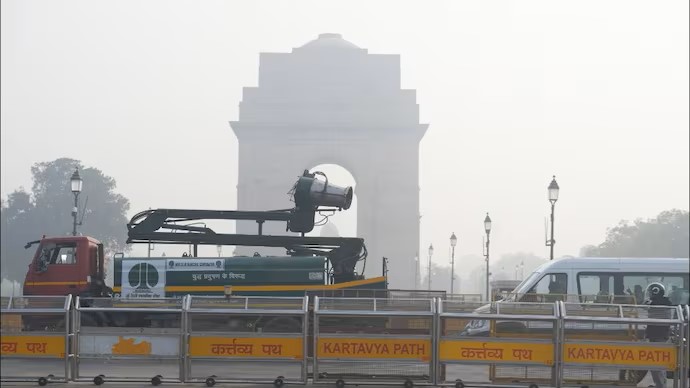
The Air Quality Index (AQI) in Delhi NCR has recently surged to 350, raising significant concerns among residents regarding air pollution. A survey conducted by LocalCircles revealed that 79 per cent of respondents identified construction activity as a major contributor to the deteriorating air quality in the region. This survey received 20,761 responses from individuals residing in Delhi, Noida, Ghaziabad, Gurugram, and Faridabad.

Construction and demolition activities are known to release dust and fine particles into the atmosphere, particularly when proper dust control measures are not employed. Issues such as uncovered construction materials, exposed soil, and debris left on roads exacerbate the situation. The movement of heavy vehicles around these sites further contributes to the dust pollution.

In response to the rising pollution levels, the Commission for Air Quality Management (CAQM) issued a directive on October 12 to the Municipal Corporation of Delhi, mandating the clearance of accumulated road dust, garbage, and construction waste by October 31. This action underscores the need for effective management of pollution sources within the city.

Garbage Burning and Road Dust Contribute Significantly

Alongside construction activity, garbage burning and road dust were each identified by 64 per cent of survey participants as significant contributors to pollution. The city generates approximately 11,000 to 14,000 tonnes of municipal solid waste daily, and despite a ban on open burning, incidents of garbage burning have risen from 3,511 in 2023 to 4,933 in 2024. Such practices release harmful pollutants into the air.

Road dust also becomes airborne due to vehicle movement over dusty surfaces, and inadequate cleaning further aggravates the issue. The Municipal Corporation of Delhi employs around 57,000 sanitation workers to manually sweep 6,127 kilometres of roads, while its 66 mechanical sweepers collect about 180 tonnes of dust daily, highlighting the scale of the challenge in managing urban waste and pollution.

Stubble Burning Remains a Factor, but Not the Sole Cause

Stubble burning in neighbouring states was cited by 57 per cent of respondents as a cause of increasing air pollution. Farmers often burn crop residue to prepare fields for the next planting season, releasing smoke and particulate matter into the atmosphere. However, a report cautioned against viewing farm fires as the sole explanation for Delhi’s pollution, noting that their contribution was less than 5 per cent on most early winter days.

The survey also revealed that 50 per cent of respondents attributed pollution to industrial emissions, while 36 per cent pointed to emissions from motor vehicles. These findings indicate that a comprehensive approach is necessary to address various pollution sources simultaneously, including transport, industries, and waste management.

The Delhi government has announced its Winter Action Plan for 2026-27, which includes restrictions on dust-generating activities and measures to enhance public transport. However, concerns remain regarding the effectiveness of these interventions and their implementation across the region.

Long or Short, get news the way you like. No ads. No redirections. Download Newspin and Stay Alert, The CSR Journal Mobile app, for fast, crisp, clean updates!

App Store – https://apps.apple.com/in/app/newspin/id6746449540

Google Play Store – https://play.google.com/store/apps/details?id=com.inventifweb.newspin&pcampaignid=web_share

Latest News

Popular Videos
