


Chorbagan stampede: WB Govt tightens festival security; Ministers assigned to oversee districts
The CSR Journal Magazine

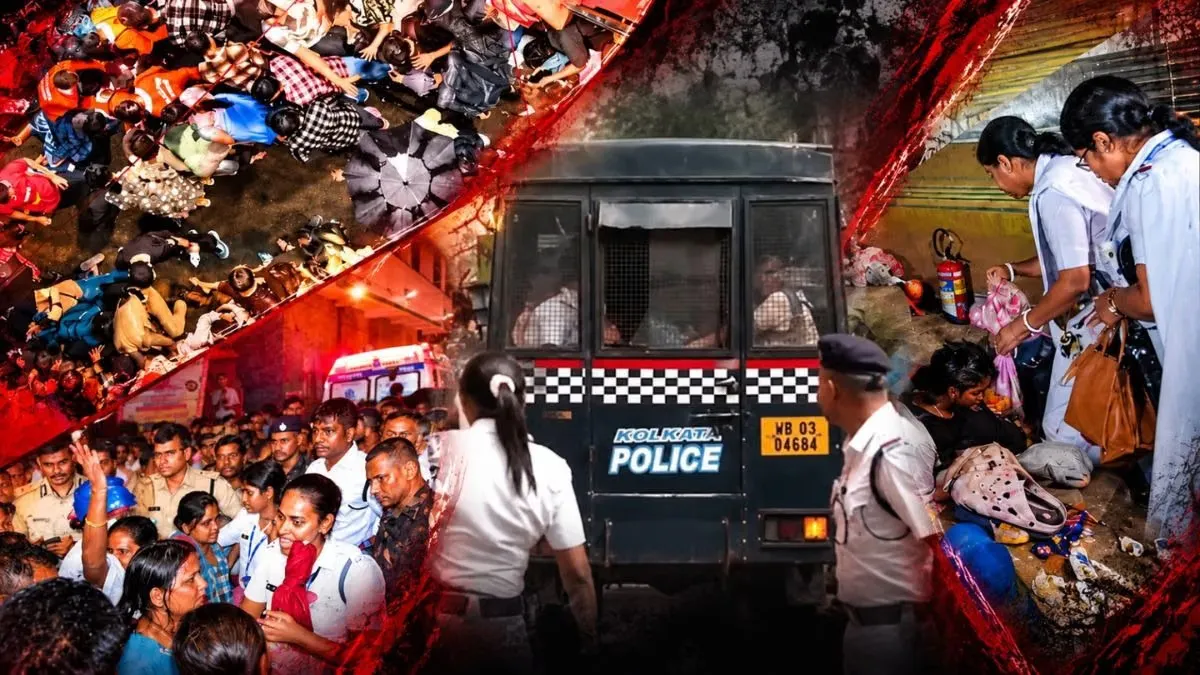
In the wake of the recent Chorbagan stampede tragedy in Kolkata, the West Bengal government has initiated a comprehensive security overhaul ahead of the upcoming festive season, with Chief Minister Suvendu Adhikari assigning one minister to each district to supervise preparations and prevent any recurrence of such incidents.

The heightened security arrangements will cover Kali Puja-Diwali, Kartik Puja, Jagaddhatri Puja and Chhath Puja. Urban Development and Municipal Affairs Minister Agnimitra Paul has announced a series of preventive measures under a Standard Operating Procedure (SOP) prepared by her department, focusing on crowd management, fire safety, emergency response, riverbank security and environmental protection.

Under the Chief Minister’s directive, ministers assigned to individual districts have been instructed to convene urgent coordination meetings with local MLAs, District Magistrates, senior police officers and officials of the departments concerned.

These meetings, to be held within the next 24 to 48 hours, will review security preparedness, identify vulnerable locations and ensure that adequate preventive measures are implemented before the festivities begin.

Paul stressed that administrative coordination and strict enforcement of safety guidelines would be essential to prevent overcrowding, stampedes and other emergencies.

No dark Pandals, wider exits and mandatory volunteers

Drawing lessons from the Chorbagan incident, the government has directed authorities to conduct thorough security assessments before granting permission for Kali Puja pandals.

Paul made it clear that pandal interiors must not be kept in complete darkness, even when lighting effects form an integral part of the theme. Entry and exit routes must remain adequately illuminated to facilitate safe movement.

In a significant crowd-control measure, the minister advised that exit passages should be twice as wide as entry routes, allowing visitors to evacuate quickly in the event of an emergency or panic.

Puja organisers must also deploy sufficient volunteers, all of whom will be required to wear identification badges and carry identity cards.

Permission for food stalls and temporary shops around pandals will be subject to strict scrutiny, particularly regarding road width and the availability of unobstructed access routes.

Major Puja venues must have ambulances, first-aid facilities, drinking water and alternative transport arrangements wherever necessary.

Paul said neighbouring Puja committees could jointly arrange ambulances and share the expenses to ensure emergency medical assistance remains readily available.

Chhath Puja: DVC to be asked to restrict water release

The government has placed special emphasis on safety at riverbanks and ghats during Chhath Puja, particularly in areas vulnerable to sudden changes in water levels.

Paul said the Damodar Valley Corporation (DVC) and other water-regulating authorities would be requested to avoid releasing water during the Chhath observances on the evening of November 15 and the morning of November 16.

The proposed coordination is particularly significant for stretches of the Damodar River near Asansol, where fluctuations in water levels could pose serious risks to devotees performing rituals.

The minister said discussions with the DVC were underway to prevent sudden rises in river levels during the celebrations.

Dangerous riverbed pits to be barricaded, divers deployed

The minister also flagged the dangers posed by deep pits and uneven riverbeds created by sand extraction.

Authorities have been directed to identify hazardous underwater stretches and install barricades to prevent devotees from entering unsafe areas.

Clearly demarcated zones will be established at ghats to ensure that rituals are performed only in designated safe locations.

An adequate number of trained divers, equipped with essential rescue gear, must remain stationed at major ghats throughout the celebrations.

The government has also instructed civic bodies to provide proper illumination, separate changing rooms for women, bio-toilets, clean access routes and safe staircases.

Where permanent staircases cannot be constructed, temporary wooden platforms will be installed to facilitate safe access to the water.

Directional signboards in Bengali, English and Hindi will be displayed at important locations, while adequate parking arrangements must be made to prevent congestion near the ghats.

Strict vigil on firecracker factories and markets

Taking a firm stand on fireworks, Paul reiterated that only government-authorised green crackers would be permitted during the festive season.

However, the minister emphasised that enforcement should not be restricted to monitoring individuals bursting firecrackers.

Instead, she called for intensified surveillance of manufacturing units, distribution centres, wholesale markets and retail outlets to prevent the production and sale of prohibited fireworks.

Authorities have been instructed to verify compliance with government regulations, including prescribed noise limits and other safety standards.

The move is aimed at tackling violations at the source rather than relying solely on enforcement during celebrations.

KMDA to introduce mechanised Idol immersion facilities

To streamline idol immersion and minimise congestion at river ghats, the Urban Development Department is considering the wider use of conveyor belts and trolley-based systems.

Paul said similar arrangements had previously helped accelerate immersion activities while reducing the difficulties faced by organisers and civic personnel.

The Kolkata Metropolitan Development Authority (KMDA) will be instructed to make necessary arrangements at selected ghats ahead of the Kali Puja and Jagaddhatri Puja immersions.

The initiative is expected to facilitate faster movement of idols and reduce crowding at immersion points.

Municipalities and municipal corporations have been directed to install adequate dustbins at Puja pandals, along approach roads and near river and pond ghats.

Special attention will be given to preventing the disposal of ritual waste, including prasad remnants, coconut shells, incense packaging and other materials, into water bodies.

Paul stressed that maintaining cleanliness at ghats and preventing water pollution must form an integral part of festival management.

Civic authorities will also be responsible for ensuring that pathways remain free of waste and other obstructions that could endanger visitors.

Government seeks public cooperation to prevent another tragedy

Emphasising that festival safety cannot be ensured through administrative intervention alone, Paul called upon Puja committees, volunteers and citizens to cooperate with the authorities.

She said organisers must strictly follow safety protocols, while visitors should maintain discipline and avoid overcrowding at pandals and ghats.

The minister maintained that coordinated efforts involving the administration, police, civic agencies, Puja organisers and the public would be crucial to ensuring peaceful celebrations.

With the Chorbagan tragedy still fresh in public memory, the state government’s latest directives signal a renewed focus on preventive security, emergency preparedness and accountability during large religious gatherings.

The effectiveness of these measures, however, will depend on their implementation at the district and municipal levels as Bengal prepares for another round of major festivals.

Long or Short, get news the way you like. No ads. No redirections. Download Newspin and Stay Alert, The CSR Journal Mobile app, for fast, crisp, clean updates!

App Store – https://apps.apple.com/in/app/newspin/id6746449540

Google Play Store – https://play.google.com/store/apps/details?id=com.inventifweb.newspin&pcampaignid=web_share

Latest News

Popular Videos
