


BRICS Promotes De-Dollarisation Through Increased Local Currency Financing at 18th Summit
The CSR Journal Magazine

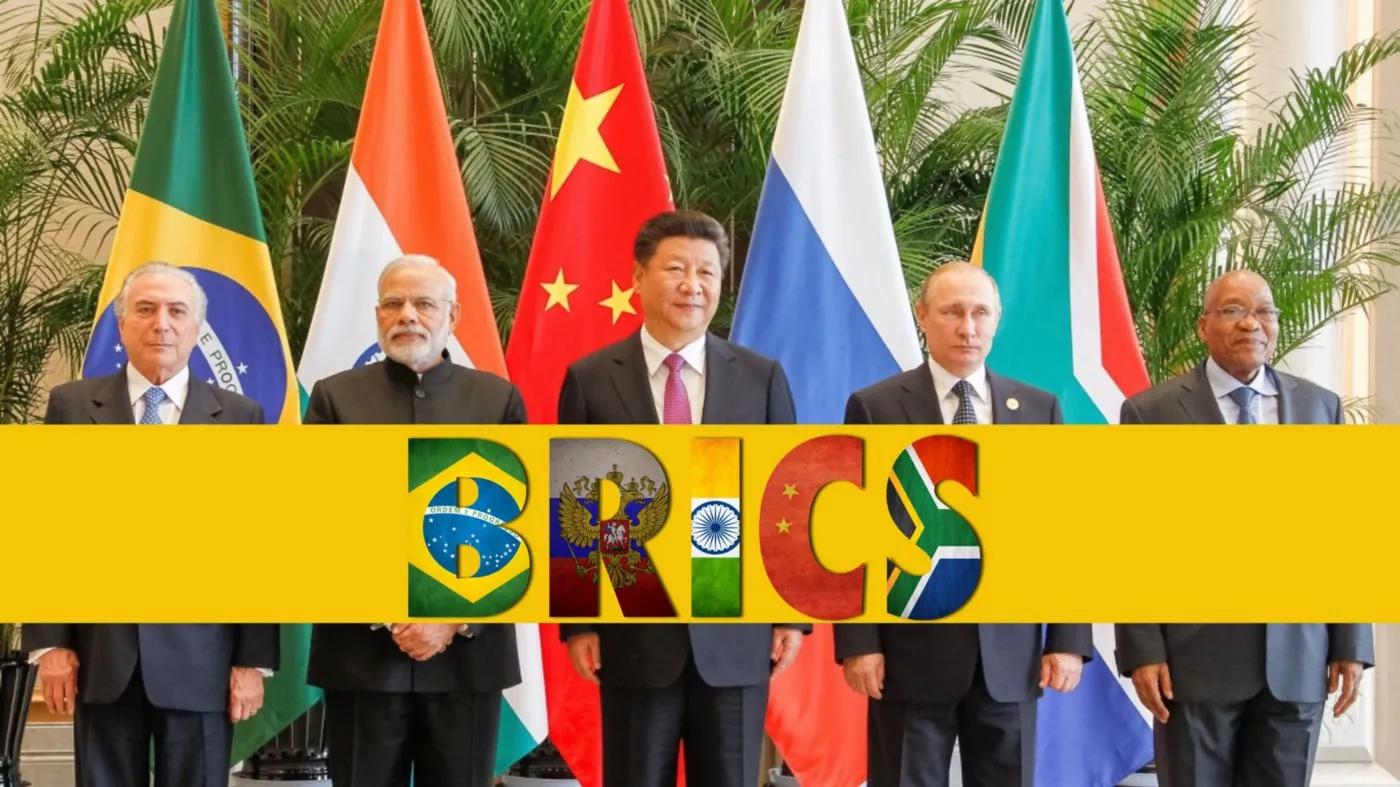
The 18th BRICS Summit, held in New Delhi, placed a significant emphasis on the theme of de-dollarisation. However, contrary to expectations, no agreement for a common currency was established among the member nations. Instead, the focus was directed towards enhancing the role of the New Development Bank (NDB) in expanding financing options using local currencies. This move is seen as a strategic response to the changing dynamics of global trade and finance.

During the summit, the BRICS Leaders’ Declaration notably refrained from directly mentioning the US dollar or the United States. This is particularly noteworthy as US President Donald Trump had previously issued warnings regarding any actions that might threaten the dollar’s global standing. India has consistently indicated that the objective of its participation in BRICS does not include the replacement of the US dollar.

The declaration highlighted the importance of the NDB in financing developmental and infrastructural initiatives across emerging markets and developing nations. Leaders encouraged the bank to diversify its funding sources and mobilise additional resources to support sustainability-oriented projects and regional economic integration.

Significance of Local Currency Financing

Local currency financing signifies that the NDB can provide loans in the currency of the borrowing country, rather than predominantly using the US dollar. This shift aims to mitigate the foreign-exchange risks typically linked to dollar-based loans. For emerging economies, such a framework could be particularly beneficial.

For example, if a project in India is financed with a loan denominated in US dollars, the borrower might encounter escalated repayment costs should the rupee weaken against the dollar. The amount of debt remains unchanged, but the costs in rupees rise, complicating financial planning for the project. With local currency financing, loans can be issued in Indian rupees, allowing repayments to occur in the domestic currency and reducing exposure to volatility in exchange rates.

This principle can apply across various BRICS nations, providing them with the opportunity to secure financing in their respective local currencies. Such an approach holds potential in alleviating the strain of international currency fluctuations on local economies.

Implications for Emerging Economies

This initiative could significantly lessen the reliance of emerging economies on US dollar borrowing, simultaneously reducing the foreign-exchange risks that often accompany international financing. Enhanced flexibility in funding infrastructure projects may lead to more sustainable development pathways without the burdens of currency conversion or USD accumulation.

For instance, if India requires ₹10,000 crore for a major infrastructure project and the funding is obtained through a US dollar-denominated loan, any depreciation of the rupee could translate to heightened repayment costs. Conversely, a loan in rupees would mitigate such currency risk as both the disbursement and repayment are tied to the local currency.

When the leaders of BRICS advocate for the expansion of local currency financing at the NDB, they are essentially endorsing an increase in the utilisation of domestic currencies for development initiatives. While this reinforces the effort to curtail dependency on the US dollar, it does not equate to establishing a singular common currency or an outright rejection of the dollar’s role in international finance. Rather, the emphasis rests on providing emerging economies with greater financing alternatives while shielding them from the fluctuations associated with the dollar.

Long or Short, get news the way you like. No ads. No redirections. Download Newspin and Stay Alert, The CSR Journal Mobile app, for fast, crisp, clean updates!

App Store –  https://apps.apple.com/in/app/newspin/id6746449540 

Google Play Store – https://play.google.com/store/apps/details?id=com.inventifweb.newspin&pcampaignid=web_share

Latest News

Popular Videos
