


Brazil Holds Presidential Election Between Lula and Flavio Bolsonaro
The CSR Journal Magazine

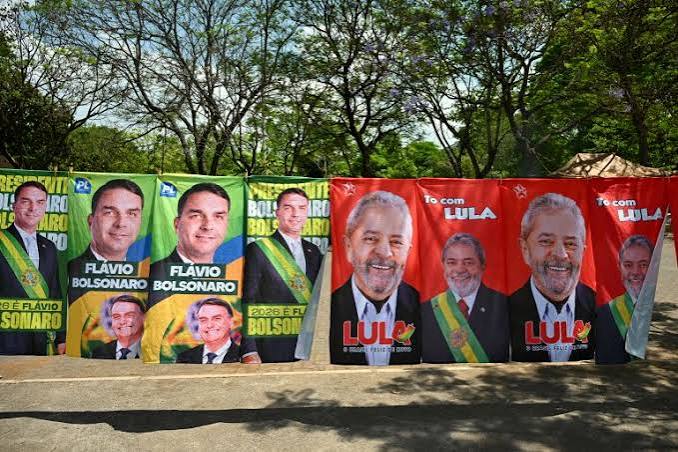
The presidential election in Brazil is a critical event as citizens cast their votes on Sunday. The contest is primarily between the incumbent Luiz Inacio Lula da Silva and Senator Flavio Bolsonaro, both of whom are strong contenders for victory. A candidate must secure over 50 per cent of the votes to win outright; otherwise, a second round is scheduled for October 25. Approximately 159 million people are eligible to participate in this election in South America’s largest economy.

In addition to the presidential race, voters will choose 27 state governors, members of state legislatures, all 513 federal congressmen, and 54 of the 81 senators. While Lula and Bolsonaro dominate the headlines, ten other candidates are participating, although they are expected to receive significantly smaller portions of the votes.

Candidates and Their Positions

Flavio Bolsonaro, 45, is the son of former far-right President Jair Bolsonaro and aligns himself with former US President Donald Trump. He has emphasised the need for improved negotiations with the Trump administration, particularly in the rare minerals sector where Brazil holds significant reserves. His campaign has also included efforts to advocate for the release of his father, who is currently serving a 27-year prison sentence stemming from a coup attempt.

Conversely, Lula, aged 80, is contesting his seventh presidential election and has fostered stronger ties with China during his previous terms. He has openly criticised the US, addressing concerns over potential intervention in Brazil’s electoral process. Lula claims that the previous Trump administration’s actions, such as imposing tariffs and revoking diplomatic visas, have placed Brazil in a precarious position.

In this politically charged atmosphere, Flavio Bolsonaro has denied receiving any assistance from the US government and has sought to distance himself from the narrative linking his candidacy to external intervention.

Political Climate and Public Sentiment

The current political landscape in Brazil is marked by polarization. Political consultant Thomas Traumann has noted that this election is a tightly contested affair, with undecided voters potentially becoming the deciding factor. He remarked that the competition has shifted from a focus on policy proposals to a barrage of accusations among the candidates.

Reflecting on past elections, Lula successfully defeated Jair Bolsonaro by a minimal margin of 2.1 million votes, highlighting the competitive nature of Brazilian politics. At that time, public dissatisfaction with the prior administration’s management of the COVID-19 pandemic and economic instability heavily influenced the results. Presently, Lula faces challenges stemming from ongoing affordability issues and a corruption scandal related to the judiciary.

Political science professor Carlos Melo remarked that fatigue among voters toward Lula could affect his campaign, especially as he strives for a fourth non-consecutive term. The evolving dynamics of the election may present further complications for the candidates as they strive to secure votes in a climate fraught with apprehension over corruption and governance.

Flavio Bolsonaro is also entangled in scandal, facing allegations of financial misconduct linked to a filmmaker accused of providing him substantial payments for a film project. Furthermore, he is under scrutiny from the Roman Catholic community, which is concerned about the influence of his evangelical base on public policy.

Long or Short, get news the way you like. No ads. No redirections. Download Newspin and Stay Alert, The CSR Journal Mobile app, for fast, crisp, clean updates!

App Store –  https://apps.apple.com/in/app/newspin/id6746449540 

Google Play Store – https://play.google.com/store/apps/details?id=com.inventifweb.newspin&pcampaignid=web_share

Latest News

Popular Videos
