


Brazil Election Faces Lula Against Flavio Bolsonaro Amid Regional Shift to the Right
The CSR Journal Magazine

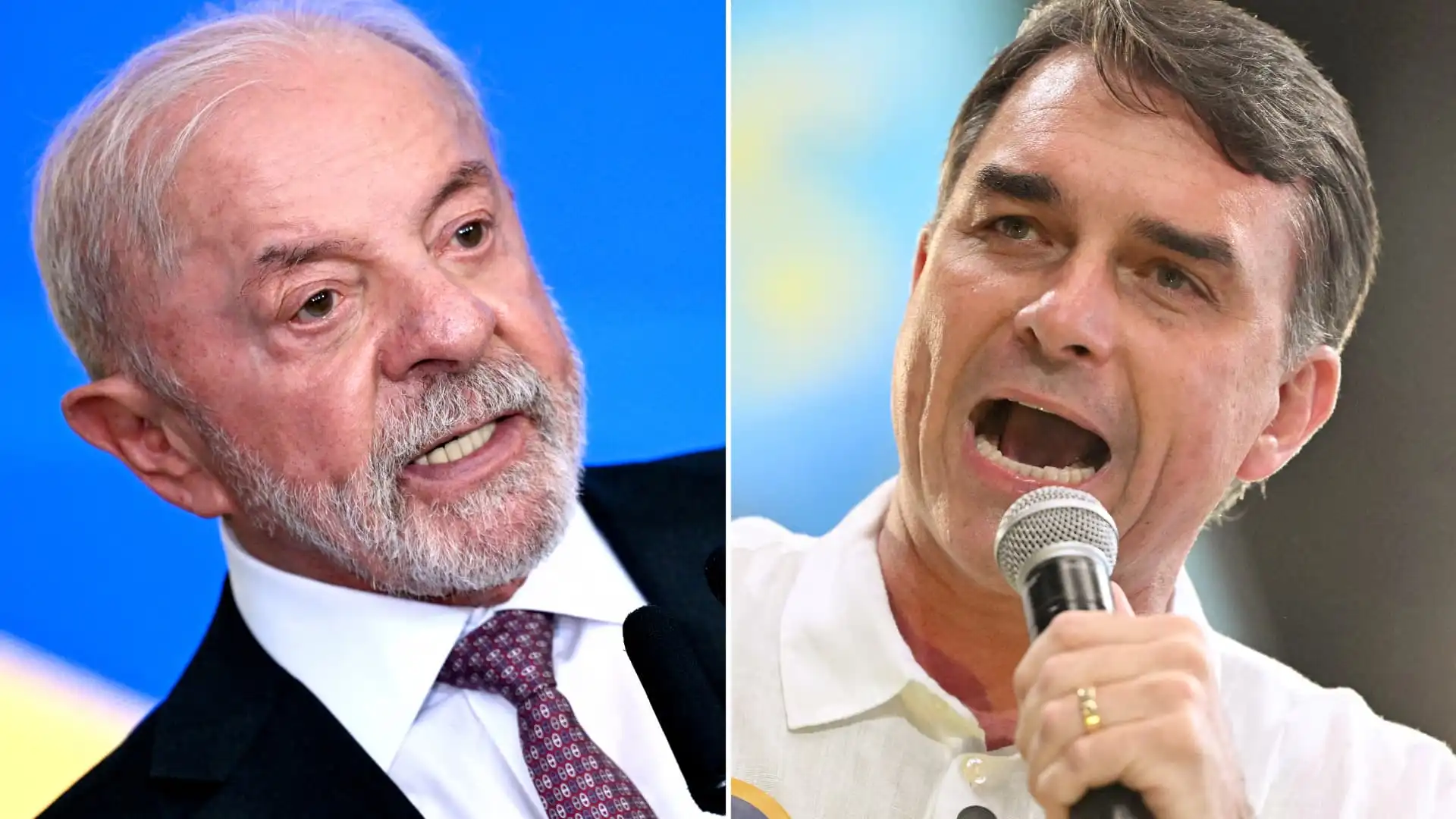
Brazil held a significant presidential election on Sunday, featuring incumbent Luiz Inácio Lula da Silva and Senator Flávio Bolsonaro as the primary contenders. The election unfolded against a backdrop of a shift towards conservatism in various regions of Latin America, coinciding with the policies of the Trump administration in the United States. In cases where no candidate achieves over fifty per cent of the votes, a runoff is scheduled for October 25.

In addition to selecting the president, approximately 159 million eligible voters were also voting for twenty-seven state governors, state assembly members, all 513 representatives of the lower house of Congress, and fifty-four of the eighty-one senators. Polling stations closed at 5 pm on Sunday, allowing those still waiting in line to cast their votes, with vote counting anticipated to commence shortly thereafter.

Flávio Bolsonaro, the 45-year-old son of former far-right president Jair Bolsonaro, who is currently serving a 27-year sentence for conspiracy related to a coup attempt, has positioned himself as an ally of Donald Trump. Meanwhile, Lula, aged 80, is making his seventh presidential bid, advocating for stronger relations between Brazil and Beijing.

Challenges Faced by Candidates

The electoral landscape presents considerable challenges for Lula, who has seen a decline in his approval ratings during his third term. He has sought to leverage concerns about potential US interference in Brazil’s electoral process as part of his campaign narrative. Lula highlighted issues stemming from the Trump administration’s actions, which have included imposing high tariffs on Brazilian exports and revoking the visa of Brazil’s ambassador.

In comments made after voting, Lula expressed the need to “do double of what we have done” if he is re-elected, asserting confidence in winning in the first round. Nevertheless, he faces a tough election due to a prevailing affordability crisis and a corruption scandal involving the judge who oversaw the investigation of Bolsonaro.

Political analyst Carlos Melo from Insper University noted that many in Lula’s campaign were not anticipating the level of challenge posed by the current election, indicating the potential for even tougher races in the future without Lula’s presence.

Voter Sentiments and Divided Choices

Flávio Bolsonaro has underscored his alliance with the White House, denying allegations of direct assistance from the US government during his campaign. He has advocated for stricter measures against criminal organisations and aims to renegotiate Brazil’s trade agreements, particularly regarding rare minerals, where Brazil ranks second only to China.

After voting in Rio de Janeiro, Bolsonaro remarked, “Brazil needs change. Brazil can’t stand so much suffering.” He is also facing scrutiny over purported corruption, including accusations involving significant sums allegedly received from a controversial banker to create a film about his father’s life.

Voters expressed contrasting motivations behind their electoral decisions. For example, 67-year-old retired engineer Rosane Wink backed Bolsonaro, drawn to his proposals to classify criminal organisations as terrorist entities. In contrast, 50-year-old mobile phone seller Maria Ribeiro from Brasília supported Bolsonaro for his commitment to protecting her Evangelical faith.

Supporters of Lula pointed to his social policy initiatives as key reasons for their backing. Rosângela Resende da Rocha, a 69-year-old former stay-at-home mother, praised Lula’s programmes benefitting the underprivileged and his position towards the US. “That crazy guy wants to come in here to buy our country,” she remarked, illustrating the emotional stakes behind the election.

The electoral decision presents voters with a choice between continuing Lula’s leadership or transitioning to a rightward political direction under Flávio Bolsonaro while simultaneously determining the composition of Congress, the Senate, state legislatures, and governorships across Brazil.

Long or Short, get news the way you like. No ads. No redirections. Download Newspin and Stay Alert, The CSR Journal Mobile app, for fast, crisp, clean updates!

App Store –  https://apps.apple.com/in/app/newspin/id6746449540 

Google Play Store – https://play.google.com/store/apps/details?id=com.inventifweb.newspin&pcampaignid=web_share

Latest News

Popular Videos
