


Bhutan Glacial Lake Outburst Triggers Flood Alerts in India
The CSR Journal Magazine

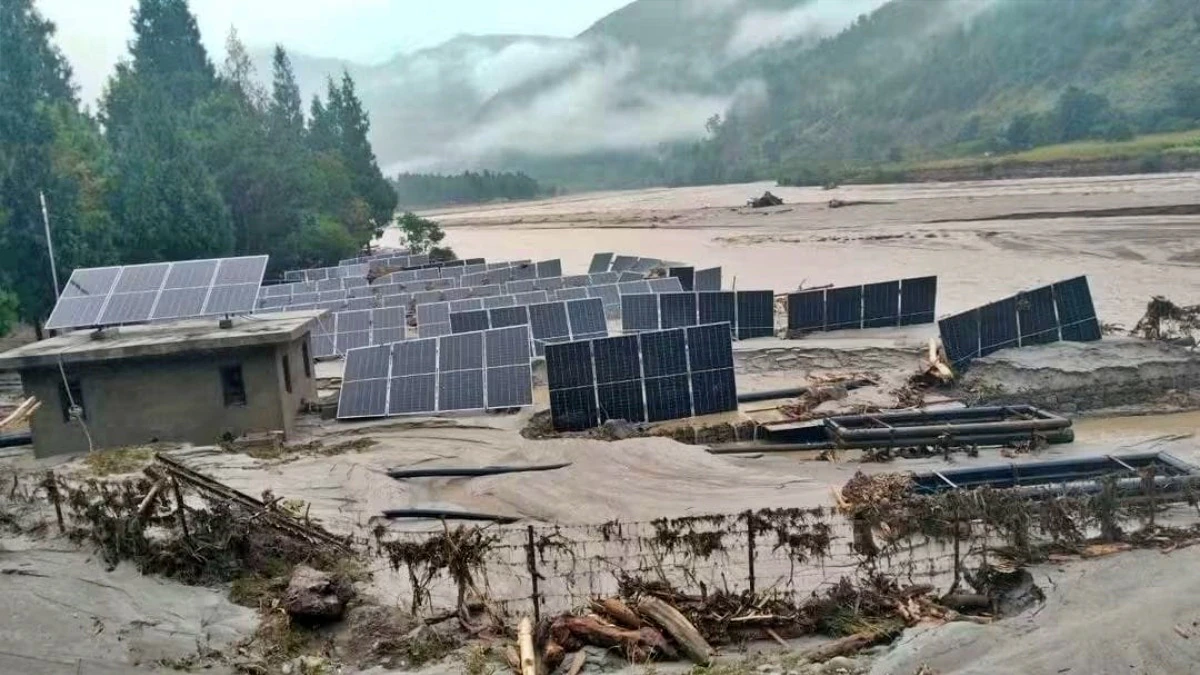
A significant surge of water from a glacial lake in Bhutan has prompted flood warnings across northern West Bengal and Assam, necessitating the evacuation of thousands of residents living near vulnerable riverbanks. This event highlights the escalating climate-related risks in the Himalayan region, particularly the phenomenon known as Glacial Lake Outburst Floods (GLOFs).

A GLOF refers to the sudden and often destructive release of water stored in a glacial lake. These lakes form as glaciers melt, leading to water accumulation behind natural barriers composed of ice, rock, and debris, known as moraines. Unlike typical river floods, GLOFs can unleash vast amounts of water in a short time, creating powerful torrents that can devastate infrastructure, including bridges, roads, and homes.

The recent incident involved approximately 7.4 million cubic metres of water being released from Shintaphu Lake in Bhutan. This water flowed through the Mo (Mofu) river system towards the Sankosh river, raising alarms about potential flooding in parts of West Bengal and Assam. In response, local authorities evacuated thousands and converted schools into relief shelters, while disaster response teams remained on standby.

Mechanisms Behind Glacial Lake Outbursts

Glacial lakes do not solely burst due to rising temperatures; various factors can compromise the natural dam that holds the water. Avalanches and landslides can displace water, generating waves that may cause overflow. Additionally, as glaciers retreat, new lakes form, and existing ones expand, increasing the volume of water behind unstable barriers.

Heavy rainfall can also elevate lake water levels rapidly, adding pressure on natural dams. Furthermore, seismic activity can destabilise moraine dams, leading to landslides into glacial lakes. Once these natural barriers fail, water can rush downstream at high speeds, carrying debris and sediment.

The Indian Himalayan region, which houses numerous glaciers and glacial lakes, faces significant risks due to its geography and climate. As temperatures rise, the retreat of glaciers creates new lakes and enlarges existing ones, heightening the potential for outbursts. Areas such as Sikkim, Himachal Pradesh, Uttarakhand, Arunachal Pradesh, Jammu and Kashmir, and Ladakh are particularly at risk.

India’s Vulnerability to GLOFs

India’s susceptibility to GLOFs stems from its unique geography, geology, and climate, combined with a high concentration of population and infrastructure in Himalayan river valleys. A 2020 study published in Water Resources Research assessed 329 glacial lakes in the Indian Himalayas, revealing that approximately 22 per cent posed high or very high hazard levels regarding potential outbursts and their downstream impacts.

The steep terrain of the Himalayas exacerbates the situation, as water released from high altitudes can gain momentum while travelling through narrow valleys, transforming into destructive torrents. Communities located far downstream can suffer severe consequences, even if the lake itself is situated in a remote area.

Furthermore, the expansion of infrastructure, including hydropower projects, roads, and settlements along Himalayan rivers, increases exposure to potential flooding. Climate change further complicates the issue, with the Intergovernmental Panel on Climate Change (IPCC) warning that rising temperatures and altered precipitation patterns may lead to increased glacial lake formation and a higher frequency of outburst floods.

While GLOFs cannot always be prevented, their impacts can be mitigated through continuous monitoring of vulnerable lakes, early-warning systems, and the development of flood-resilient infrastructure. Following past disasters, India has enhanced its monitoring and assessment of at-risk glacial lakes, recognising that such hazards transcend national borders and require comprehensive disaster preparedness strategies.

Long or Short, get news the way you like. No ads. No redirections. Download Newspin and Stay Alert, The CSR Journal Mobile app, for fast, crisp, clean updates!

App Store – https://apps.apple.com/in/app/newspin/id6746449540

Google Play Store – https://play.google.com/store/apps/details?id=com.inventifweb.newspin&pcampaignid=web_share

Latest News

Popular Videos
