


Bangladesh Considers Potential Role in Mecca Pact as First Meeting Holds in Istanbul
The CSR Journal Magazine

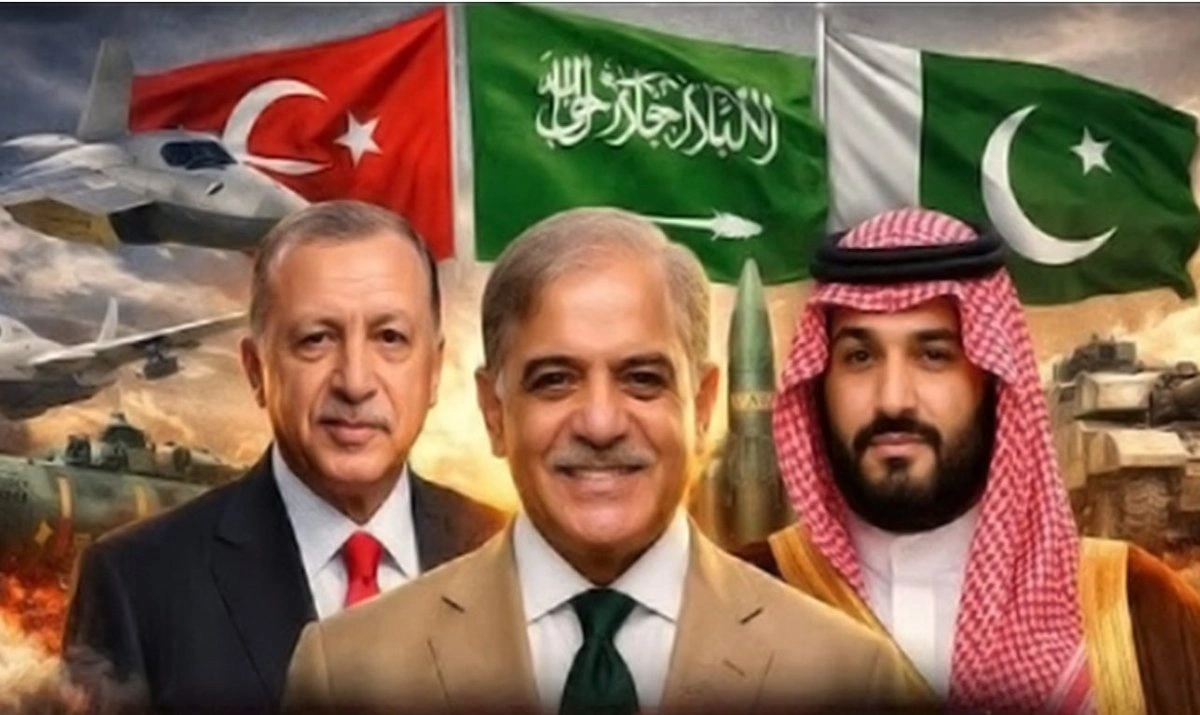
The recent first formal meeting of the Strategic Political and Defence Committee for the Mecca Joint Defence Agreement is taking place in Istanbul. This meeting features the three founding members: Pakistan, Saudi Arabia, and Turkey. The gathering aims to lay down the framework for the alliance, which has been described as an important diplomatic ambition for Bangladesh.

Scheduled for Monday, the discussions will cover critical issues such as defence capabilities, military interoperability, intelligence sharing, and counter-terrorism efforts. The agenda signifies an evolving focus on regional security that may have broader implications for nations with significant Muslim populations, including Bangladesh.

Since the signing of the Mecca Joint Defence Agreement on August 7, speculation has surfaced regarding its potential expansion. Possible inclusion of other countries, especially Egypt, has been a subject of discourse among the founding nations. The dynamics of this alliance may transform if new members are brought into play.

Bangladesh’s Future Role in the Mecca Alliance Remains Uncertain

At this stage, Bangladesh is not formally included in the Mecca Pact. However, the discussions on expansion have sparked interest among Dhaka’s policymakers. While the meeting agenda currently does not indicate any immediate move toward Bangladeshi inclusion, the broader framework being considered may affect future considerations.

The formation of a wider Muslim-majority security bloc could eventually see Bangladesh playing a role, given its strategic significance in South Asia and established ties with Saudi Arabia and Turkey. Nonetheless, the focus at the Istanbul meeting appears to be firmly on operationalising the existing partnership among the three founding states.

Various foundational questions will be deliberated, including potential defence cooperation and logistics coordination. As the first meeting unfolds, the potential for further discussions on collaboration among additional nations may be influenced by how effectively the tri-nation framework is developed.

Significant Attendees and Strategic Goals of the Meeting

The Istanbul meeting has convened high-ranking military and political representatives from the founding countries. Turkish Foreign Minister Hakan Fidan leads his nation’s delegation, alongside Defence Minister Yaar Guler and Chief of General Staff General Seluk Bayraktaroglu. Pakistan’s representatives include Chief of Defence Forces Field Marshal Syed Asim Munir and Deputy Prime Minister Ishaq Dar.

Saudi Arabia’s team is composed of Foreign Minister Prince Faisal bin Farhan Al Saud, Defence Minister Prince Khalid bin Salman, and Chief of General Staff General Fayyad bin Hamid Al Ruwaili. The presence of such senior officials underscores the meeting’s importance in establishing military and political synergies.

Reports suggest that the gathering may also address global security challenges that could impact the region. Among these are maritime security concerns related to the ongoing situation between the United States and Iran, as well as the geopolitical dynamics surrounding Israel and the Gaza peace process.

Beyond immediate military cooperation, there are proposals to establish a permanent organisational structure, including a secretariat to streamline future collaboration. This institutional framework may serve as a foundation for addressing broader regional security issues.

Long or Short, get news the way you like. No ads. No redirections. Download Newspin and Stay Alert, The CSR Journal Mobile app, for fast, crisp, clean updates!

App Store –  https://apps.apple.com/in/app/newspin/id6746449540 

Google Play Store – https://play.google.com/store/apps/details?id=com.inventifweb.newspin&pcampaignid=web_share

Latest News

Popular Videos
