


Asim Munir Visits Iran, Pushes for De-Escalation and Hormuz Reopening
The CSR Journal Magazine

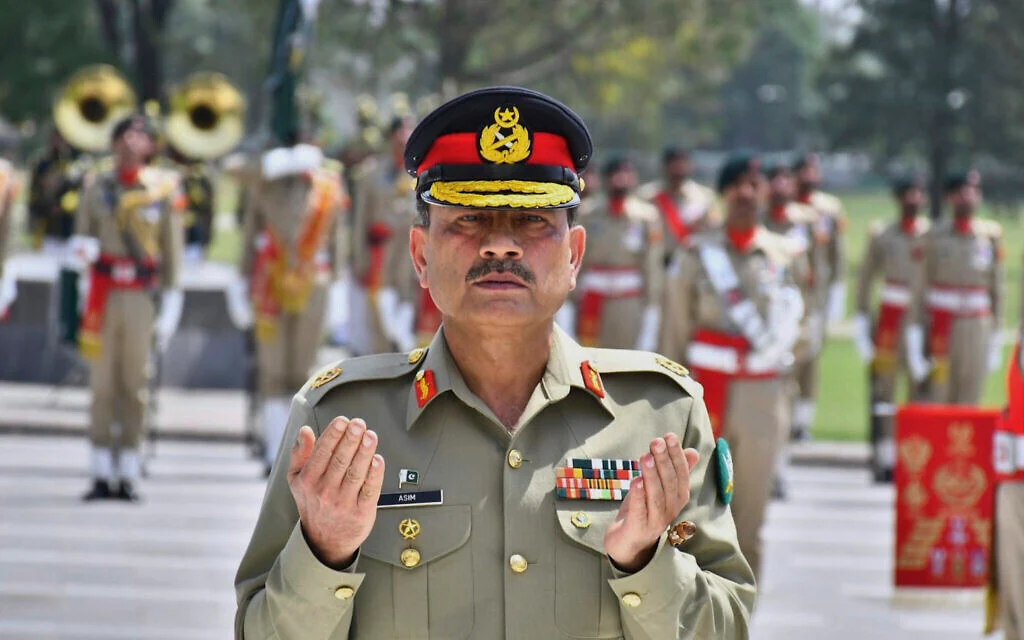
Field Marshal Asim Munir, the Chief of the Pakistan Army, engaged in discussions with Iran’s leadership in Tehran, focusing on strategies to mitigate escalating tensions in West Asia and facilitate the reopening of the Strait of Hormuz. This initiative, according to the Pakistan military, forms part of the country’s diplomatic efforts to address the ongoing conflicts involving the United States and Iran. Munir was accompanied by Interior Minister Mohsin Naqvi during this day-long visit.

The Inter-Services Public Relations (ISPR) highlighted that the visit is aimed at breaking the deadlock entangled in the US-Iran conflict and finding pathways to achieve lasting peace in the region. Iranian authorities reportedly acknowledged Pakistan’s role in fostering dialogue and encouraging de-escalation amidst ongoing regional crises, which have been affecting oil exports significantly, contributing to rising tensions in West Asia.

Key Meetings And Outcomes

During his visit, Munir met several high-profile Iranian officials, including President Masoud Pezeshkian, Mohsen Rezaei from the Supreme National Security Council, Parliament Speaker Mohammad Bagher Ghalibaf, Foreign Minister Seyed Abbas Araghchi, and Interior Minister Eskandar Momeni. Discussions primarily centred on preventing further military escalation, reopening shipping routes through the Strait of Hormuz, and seeking a resolution to the existing conflicts.

The military statements indicated that “comprehensive discussions” were undertaken regarding the importance of regional peace and negotiating settlements to the existing disputes. Pakistan has been actively pursuing diplomatic dialogue as part of its commitment to foster peace in a region significantly impacted by conflict and instability.

Historically, the Strait of Hormuz has been a major artery for the global oil trade. The ongoing confrontations have disrupted operations considerably, leading to increased global oil prices and concerns around safe passage for ships. Tehran has also issued stern warnings regarding unauthorized vessels attempting to navigate through the strategic waterway.

Context Of Rising Tensions

The conflict in the region escalated on February 28 when the United States and Israel conducted military strikes against Iranian targets, prompting retaliatory actions from Iran. The resultant hostilities have considerably strained relations and impacted economic activities in the area, leading to disruptions in oil movements through the Strait of Hormuz.

In recent developments, there has been a pronounced increase in sanctions imposed by Washington against Iran, with US officials citing these measures as essential to cutting off Iran’s economic resources. President Donald Trump has issued warnings emphasising economic ramifications for any nations perceived as providing support to Iran.

Before this visit, Pakistan had attempted to mediate peace following a ceasefire agreement made in April, which was intended to resolve conflicts. However, the momentum for peace negotiations stalled, and an interim peace agreement that Pakistan had endorsed as a guarantor also unravelled amid escalating tensions. Despite these challenges, Pakistan remains committed to advancing diplomatic discussions aimed at fostering enduring peace and stability in West Asia.

Long or Short, get news the way you like. No ads. No redirections. Download Newspin and Stay Alert, The CSR Journal Mobile app, for fast, crisp, clean updates!

App Store –  https://apps.apple.com/in/app/newspin/id6746449540 

Google Play Store – https://play.google.com/store/apps/details?id=com.inventifweb.newspin&pcampaignid=web_share

Latest News

Popular Videos
