


app-store-logo
play-store-logo
March 6, 2026

Arvind Kejriwal Demands PM Modi’s Resignation over US Allowing India to Buy Russian oil
The CSR Journal Magazine

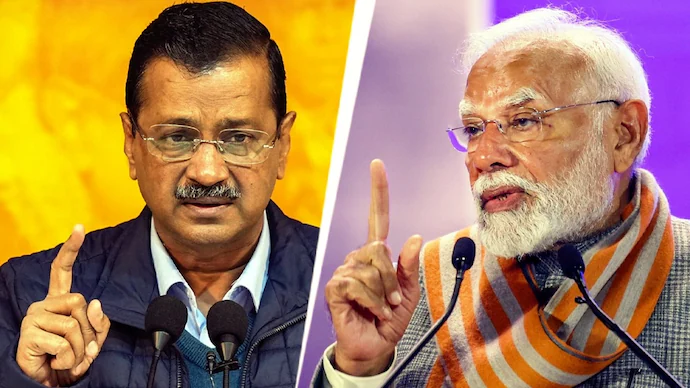
On March 6, Arvind Kejriwal, the former Chief Minister of Delhi and convenor of the Aam Aadmi Party, demanded the resignation of Prime Minister Narendra Modi. This request was made in connection with the recent temporary waiver granted by the United States, allowing Indian refiners to purchase oil from Russia. Kejriwal expressed his concerns through a post on the social media platform X, questioning the necessity of India’s dependence on US permission for such transactions.

Criticism of Modi’s Leadership

Kejriwal criticized Prime Minister Modi for what he described as a pattern of bowing to former President Donald Trump. He expressed frustration over India’s perceived vulnerability on the global stage, highlighting what he termed the weakness of the current Indian leadership. In his post, he stated, “Who is America to grant India permission to buy oil from Russia? Why does India even need permission from America?” He urged Modi to reflect on the implications of this dependency for India’s historical stature as a sovereign nation.

India’s Historical Context

In his comments, Kejriwal emphasized India’s long history and pointed to the resilience and bravery of its people. He remarked, “Never before has India bowed its head like this before any country. Never in Indian history has India’s leadership been this weak.” He expressed a sense of national pain, urging Modi to prioritize the interests of India over foreign pressures. Kejriwal’s remarks suggest a deep concern regarding national pride and autonomy amidst changing global dynamics.

Details of the US Waiver

The waiver from the US Treasury is intended as a temporary measure, lasting 30 days, to facilitate oil imports from Russia for Indian refiners. US Treasury Secretary Scott Bessent highlighted that this initiative aligns with President Trump’s energy agenda, which has reportedly led to record levels of oil and gas production. According to Bessent, this waiver aims to mitigate pressures arising from the geopolitical climate, particularly in relation to Iran’s impact on global energy supplies.

Concerns Over Global Energy Supply

The context for this waiver arises amid rising geopolitical tensions in the Middle East, especially following the US-Israel military strike on Iranian territory on February 28, which resulted in significant casualties, including the death of Supreme Leader Ayatollah Ali Khamenei. As India sources approximately 40 percent of its oil from the Middle East, disruptions from these tensions could greatly affect its energy security. The Strait of Hormuz is particularly crucial, as a substantial portion of oil shipments pass through this strategic chokepoint.

Political Implications of the Waiver

Kejriwal’s demand for Modi’s resignation ties into broader political implications concerning India’s foreign policy and energy security strategy. His statements reflect a rising discourse around India’s role in global energy markets and its ability to maintain sovereignty while navigating international relationships. The Indian government faces the challenge of balancing its energy needs with geopolitical pressures, particularly as global oil markets remain volatile.

Long or Short, get news the way you like. No ads. No redirections. Download Newspin and Stay Alert, The CSR Journal Mobile app, for fast, crisp, clean updates!

App Store –  https://apps.apple.com/in/app/newspin/id6746449540 

Google Play Store – https://play.google.com/store/apps/details?id=com.inventifweb.newspin&pcampaignid=web_share

Latest News

Popular Videos
