


AR Rahman’s “Mangal Rang” from Ramayana Sparks Diverse Debates
The CSR Journal Magazine

AR Rahman’s new composition Mangal Rang, featured in the upcoming film Ramayana, has ignited contrasting discussions among listeners. Some fans have expressed that the song bears a striking resemblance to Rahman’s previous works, notably Kun Faya Kun from Rockstar and the Tamil track Enna Solla Pogirai. This has raised questions about originality and the boundaries of musical familiarity.

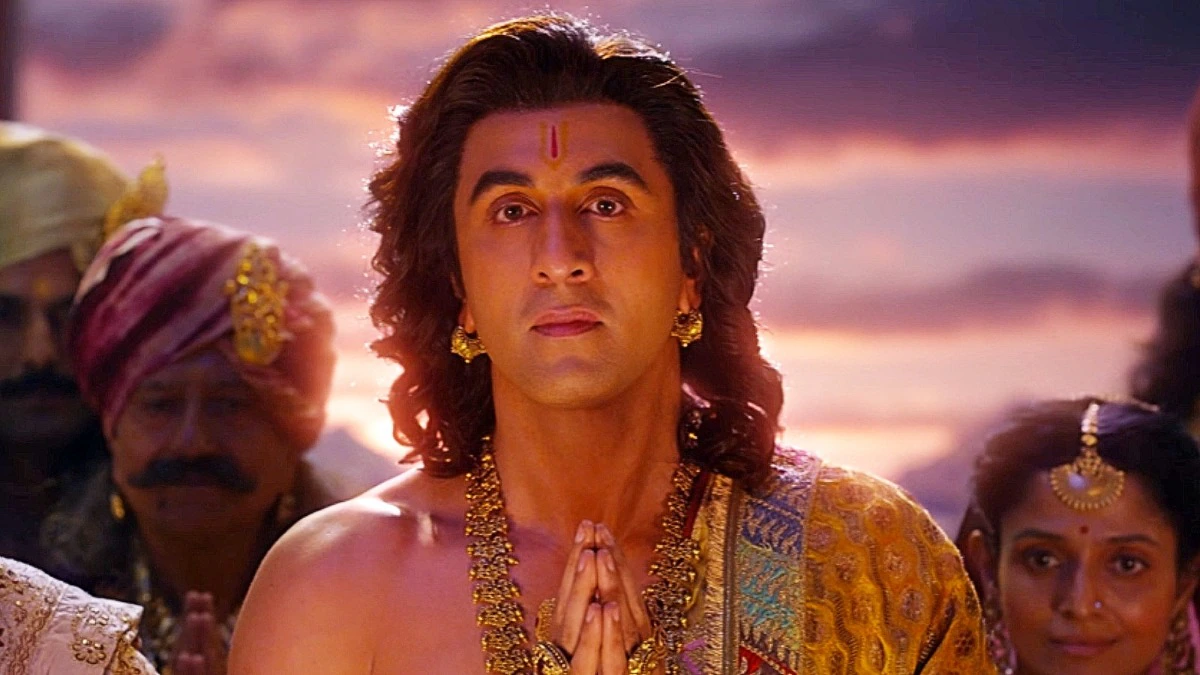
Composed by Rahman and performed by Shreya Ghoshal and Arijit Singh, with lyrics penned by Kumar Vishwas, Mangal Rang celebrates the union of the characters Rama and Sita, portrayed by Ranbir Kapoor and Sai Pallavi. The accompanying video captures their relationship journey, from the swayamvar to their wedding, adorned with visuals that reflect the grandeur expected of a film of this magnitude.

Despite its elaborate presentation, the song’s reception has not been universally positive. Critics have questioned whether Rahman’s sound is becoming too recognisable, prompting a discussion about the fine line between a signature style and repetitiveness in music.

Qawwali Influences and Musical Style

Another point of contention revolves around the song’s alleged qawwali influences. Some listeners have noted elements in Mangal Rang, such as the chorus and the repetition of the word “rang,” which they feel evoke the essence of qawwali music. This has led to comparisons with the well-known Sufi piece Aaj Rang Hai.

Qawwali, deeply rooted in Sufi traditions, typically features repeated refrains and group vocals that build in intensity. However, the characteristics that some listeners associate with qawwali are not exclusive to this genre. The presence of such elements does not categorically classify Mangal Rang as a traditional qawwali piece.

The lyrics further illuminate the song’s focus, celebrating the union of Rama and Sita through references to cultural symbols like sindoor and saubhagya. The absence of any direct mention of Islamic deities or Sufi saints suggests that the debate is more about perceived musical influences rather than explicit religious content.

Expectations Surrounding Ramayana

The heightened scrutiny surrounding Mangal Rang reflects the immense expectations tied to the Ramayana adaptation. For many, the Ramayana is not merely a story but a sacred narrative intertwined with their beliefs and cultural heritage. This perspective may lead audiences to hold the music to a different standard compared to a typical romantic song.

While some viewers may argue that the musical style should resonate with the religious and cultural significance of the epic, others advocate for creative freedom in music, allowing for a blend of various influences. Both viewpoints contribute to a rich conversation about the adaptation’s artistic choices.

As the film approaches its release, the anticipation is palpable, especially with a reported investment of Rs 4,000 crore across its two parts, encompassing production and promotional costs. This financial commitment amplifies the scrutiny of every element, from casting to musical composition.

Ultimately, Mangal Rang has sparked a broader discussion about musical originality, cultural representation, and audience expectations. The film, Ramayana: Part 1, is set to debut worldwide on November 5, and it remains to be seen how the song will fit within the larger narrative and whether the critiques will hold weight once the film is fully revealed.

Long or Short, get news the way you like. No ads. No redirections. Download Newspin and Stay Alert, The CSR Journal Mobile app, for fast, crisp, clean updates!

App Store – https://apps.apple.com/in/app/newspin/id6746449540

Google Play Store – https://play.google.com/store/apps/details?id=com.inventifweb.newspin&pcampaignid=web_share

Latest News

Popular Videos
