


Ancient Chinese Megacity Reveals Tunnels Over 4,000 Years Old
The CSR Journal Magazine

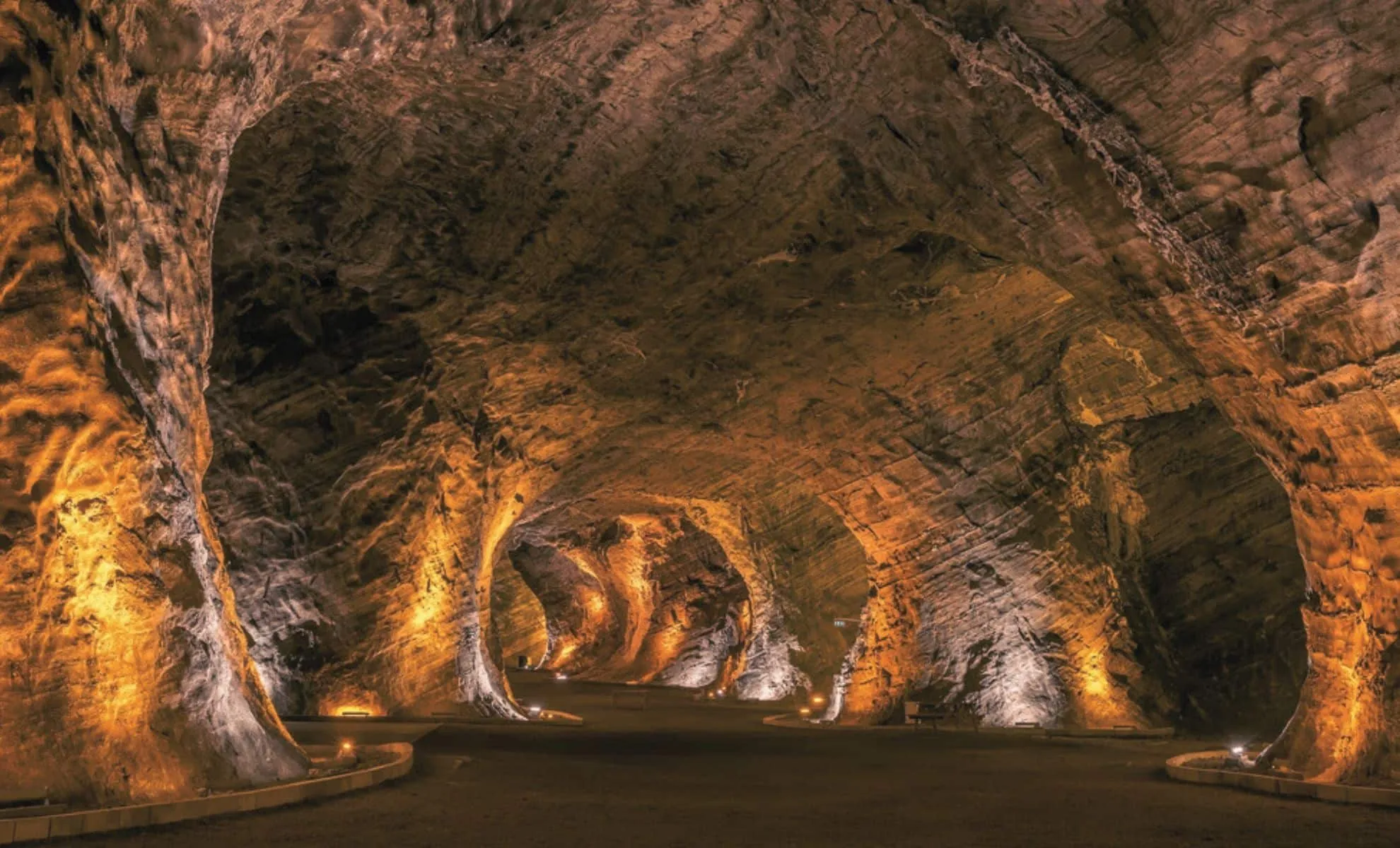
The recent discovery of ancient underground tunnels in a megacity in China has drawn considerable interest from archaeologists and historians. These tunnels are believed to have been constructed over 4,000 years ago, making them some of the oldest examples of subterranean structures in the region. The site, located in an area rich with history and culture, is thought to reveal insights into the daily lives and architectural practices of ancient Chinese civilizations.

The investigation began when researchers noticed unusual patterns during an aerial survey of the city. Subsequent excavations confirmed the presence of extensive tunnel systems that are reportedly intricately designed. The tunnels are believed to have served multiple purposes, including trade, storage, and possibly even religious activities, showcasing the advanced engineering skills of early Chinese societies.

Construction Techniques and Cultural Significance

Experts studying these tunnels have highlighted the remarkable construction techniques employed by the builders, which reflect a sophisticated understanding of both geography and engineering at that time. The use of local materials and the strategic placement of vents indicate that these subterranean networks were carefully planned to serve their intended functions while minimising the risk of collapse.

Cultural artefacts have been discovered within the tunnels, providing further context for their use and significance. Items such as pottery, tools, and wall engravings hint at the traditions and lives of the people who inhabited the area thousands of years ago. These findings suggest that the tunnels may have played a vital role in community activities and social gatherings, essentially serving as an underground microcosm of life above ground.

Moreover, the implications of this discovery extend beyond architectural prowess. It invites a reevaluation of trade routes and socio-political structures in ancient China, particularly in relation to how communities interacted with their environments. The evidence gleaned from these tunnels may also shed light on the cultural exchanges that occurred between different regions during that historical period.

Future Research and Exploration

With the initial phase of excavation completed, researchers are planning extensive studies to comprehend the full extent of these tunnel systems. The next steps will involve detailed mapping and further excavation to assess how the tunnels connect with other historical sites, potentially revealing an extensive network that could alter current knowledge of ancient Chinese infrastructure.

The collaboration between local authorities, archaeologists, and historians aims to ensure that the tunnels are preserved while allowing for ongoing research. There is a consensus among scholars that this site may serve as a critical piece in the puzzle of understanding early civilisations in China. Educational programs and public exhibitions are likely to follow, aiming to spread awareness of the site’s significance and promote cultural heritage.

As these investigations proceed, it is anticipated that new discoveries will emerge that could reshape our understanding of historical development in the region. The potential for future findings offers exciting prospects for both the academic community and enthusiasts of history alike, making the exploration of the ancient tunnels a highly anticipated endeavour in archaeology.

Long or Short, get news the way you like. No ads. No redirections. Download Newspin and Stay Alert, The CSR Journal Mobile app, for fast, crisp, clean updates!

App Store –  https://apps.apple.com/in/app/newspin/id6746449540 

Google Play Store – https://play.google.com/store/apps/details?id=com.inventifweb.newspin&pcampaignid=web_share

Latest News

Popular Videos
