


Allahabad High Court Criticises Misuse of Goondas Act by Bureaucrats
The CSR Journal Magazine

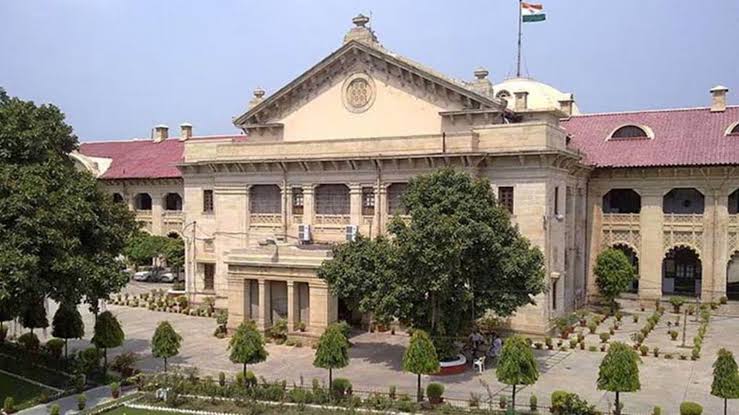
The Allahabad High Court has asserted that the Uttar Pradesh Control of Goondas Act, 1970, is being improperly employed by bureaucrats and the state administration as a mechanism of oppression. This statement follows a consistent line of rulings that the court has maintained regarding the misuse of the Act. The court emphasised the need for the bureaucracy to desist from issuing arbitrary orders that have no legal basis, warning that failure to comply could result in punitive damages against them.

In a recent ruling dated September 10, Justice Sandeep Jain adjudicated on a petition filed by Abhishek Tyagi, who challenged the legal proceedings against him initiated under the Goondas Act. The court determined that the orders enacted by the Additional Commissioner of Police in Ghaziabad and the Commissioner of the Meerut Division were quashed. Tyagi had found himself facing allegations based on two criminal cases; however, the court’s ruling hinged on the lack of habitual offending on his part.

Details of the Petition and Court Ruling

Following Tyagi’s appeal against a directive from the ACP, Ghaziabad, which mandated him to reside at his permanent address and report to the local police station every second and fourth Saturday for a duration of six months, the commissioner’s dismissal of the appeal was also overturned. The ACP had issued this order on September 18, 2025. The court found that despite its earlier judgements stating that an individual cannot be labelled a “goonda” based solely on one or two incidents, the bureaucratic actions continued undeterred.

The court highlighted the notable time gap of three years between the two criminal instances involving Tyagi, suggesting that he does not exhibit the characteristics of a habitual offender. The justices pointed out that the continued enforcement of the Goondas Act without legitimate grounds runs counter to the intended purpose of the legislation. Justice Jain articulated that such actions by the bureaucracy should be regarded as offensive and directed against the principles underlying the Act.

The High Court further underlined its stance by noting that it has become imperative to send a firm message to the bureaucratic apparatus. It cautioned that unless there is immediate rectification in their conduct pertaining to the Goondas Act, bureaucrats would face significant repercussions, including punitive damages, for their actions. This marks a critical moment in which the judiciary is calling for accountability in the execution of legal authority over citizens.

Implications for Bureaucratic Conduct

The ruling reflects the court’s commitment to ensuring that the misuse of legal frameworks does not infringe on the rights of individuals. By awarding damages of Rs 50,000 to Abhishek Tyagi, the court has set a precedent for individuals who feel victimised by bureaucratic overreach. The court specified that the state government is entitled to recover this sum from the salaries of the bureaucrats involved, thereby holding them personally accountable for their actions.

This verdict serves as a warning to other officials who may consider exploiting the Goondas Act or similar laws for purposes beyond their intended scope. The legal system, as proposed by the Allahabad High Court, insists that bureaucratic authority must be exercised with fairness and adherence to judicial standards without falling prey to coercive measures. This ruling is anticipated to resonate positively, reinforcing the courts’ role as guardians of justice against any misuse of power by state actors.

Long or Short, get news the way you like. No ads. No redirections. Download Newspin and Stay Alert, The CSR Journal Mobile app, for fast, crisp, clean updates!

App Store –  https://apps.apple.com/in/app/newspin/id6746449540 

Google Play Store – https://play.google.com/store/apps/details?id=com.inventifweb.newspin&pcampaignid=web_share

Latest News

Popular Videos
