


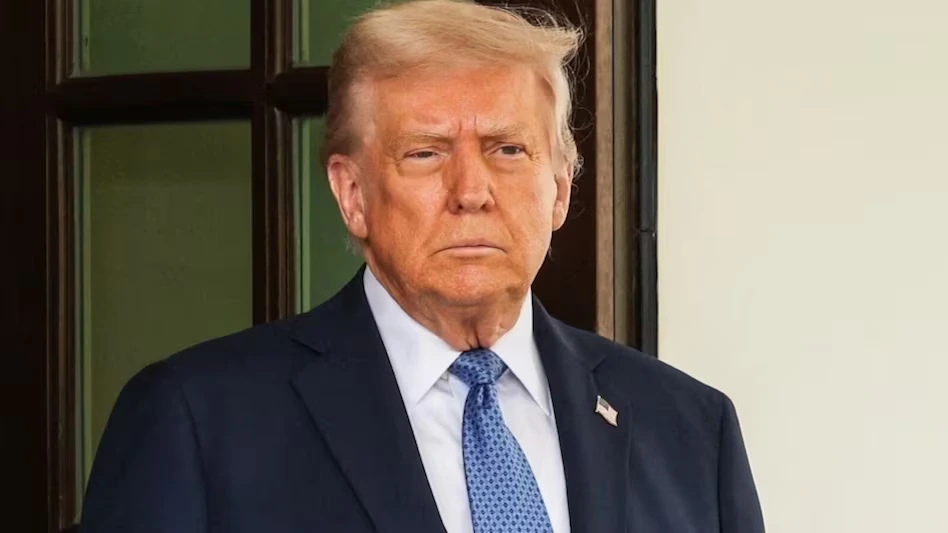

During a high-stakes bilateral meeting in Evian-les-Bains, France, US President Donald Trump cautioned Iran that “all hell will rain down” if it pursues a nuclear weapon. This meeting with Sheikh Tamim Bin Hamad Al-Thani, the Emir of Qatar, unfolded on the sidelines of the G7 summit and underscored the complex diplomatic efforts underway.
The talks centred around a recently established agreement aimed at preventing Iran from obtaining nuclear capabilities. President Trump emphasised the absolute necessity of this deal, stating that it clearly stipulates Tehran will not possess such weapons, which he described as a top priority for the United States.
Trump also alluded to recent military tensions that have played a significant role in moving negotiations forward. He expressed that recent strikes posed a formidable challenge and indicated that he grappled with the decision not to engage militarily before eventually supporting a diplomatic solution.
Qatar’s Role as a Strategic Partner Recognised
Throughout the discussions, President Trump praised Qatar for its critical role in stabilising the region. He commended the Gulf nation for its proactive mediation efforts and geographic proximity to Iran, appreciating their strong partnership with the United States. Trump highlighted that collaborating with Qatar has been constructive, due to its significant influence in the region.
Sheikh Tamim reaffirmed Qatar’s commitment to supporting global diplomatic initiatives. He noted the positive implications of the US-Iran agreement for Middle Eastern stability, contributing to a broader effort for peace. The Emir credited Trump’s engagement as essential for averting widespread conflict in the area and expressed optimism about future cooperation.
Highlighting the importance of the deal, Sheikh Tamim remarked that it serves not only regional interests but also benefits Iran, suggesting an avenue for better relations between the nations.
Shift in Focus to Israeli Military Actions
As the discussions progressed, President Trump expressed his discontent regarding recent Israeli military actions in Lebanon, specifically an airstrike that occurred shortly before the agreement with Iran was finalised. He made it clear that he disapproved of the timing, revealing tensions between Washington and Tel Aviv.
Trump articulated his frustrations over Israel’s ongoing military operations in Lebanon, implying that these actions have resulted in unnecessary civilian casualties. He underscored that urban warfare strategies need re-evaluation, pointing out that many innocent lives are lost in such conflicts.
In an unexpected commentary, Trump suggested that Israel consider allowing Syria to deal with the Hezbollah threat, asserting that this alternative might yield better results. Despite acknowledging the frictions with Israel, he remained confident that the US-Iran agreement would survive even amidst ongoing military activities.
Trump reaffirmed that while the Lebanon situation is concerning, he views the issue of Iran acquiring nuclear capabilities as the paramount threat. He emphasised that while Hezbollah is a persistent concern, it should not overshadow the more significant nuclear issue posed by Iran.
Reminding Israel of the essential support it receives from the United States, Trump concluded that without American backing, Israel’s existence would be jeopardised. He reiterated his assertion that his presidency has altered the previously established dynamics between the US and Israel, urging a more cautious approach to military engagements in the region.