


450 Individuals Receive Anti-Rabies Vaccine After Consuming Milk From Suspected Rabid Cow
The CSR Journal Magazine

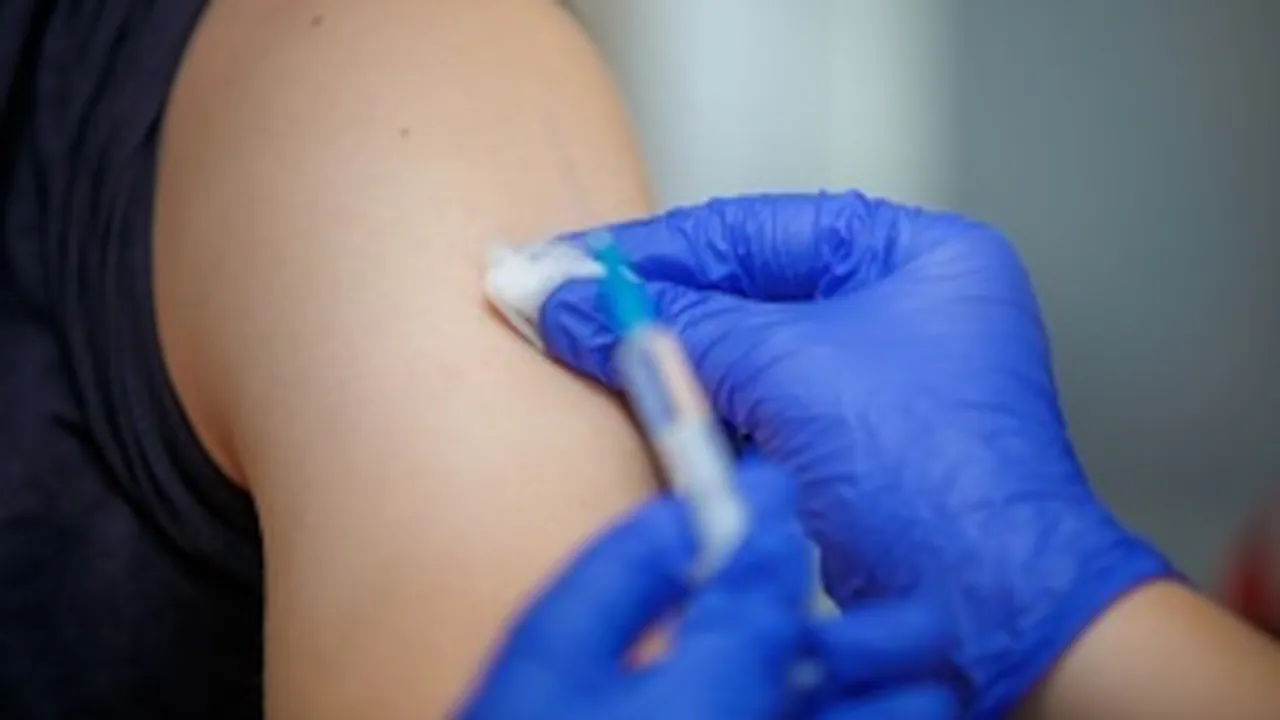
Approximately 450 individuals who ingested ‘charanamrit’ made from the milk of a cow in Gorakhpur district, Uttar Pradesh, have been administered anti-rabies vaccines. This action follows the death of the cow, which is suspected to have been bitten by a stray dog. Health officials reported the incident on Thursday, highlighting the urgency of the situation.

The vaccination initiative was organised by the local health department in Dadi Khas village, specifically in the Gola block. On Tuesday, about 50 individuals received the vaccine at a community health centre (CHC), while an additional 400 were vaccinated at a camp held on Wednesday. This swift response aimed to alleviate fears among the residents regarding potential rabies exposure.

Concerns escalated as the cow’s milk had been distributed to two local shops and various households. Navami Yadav, the owner of the cow, reported that the animal had shown signs of illness for one or two days before its condition worsened dramatically on Tuesday. Following this, he consulted both private veterinarians and a doctor at the Dadi Khas veterinary hospital.

Veterinary Assessments and Community Response

The veterinarians, Bechan Singh and Hardev Yadav, suspected that the cow might have been bitten by a dog. They noted that the animal began displaying abnormal behaviour, including barking, before it died on Tuesday evening. This alarming development prompted many devotees who had consumed the ‘charanamrit’ during the Durga Puja festivities to seek vaccination as a precautionary measure.

A health department team, led by pharmacist Siddharth Singh, visited Dadi Khas on Wednesday to administer vaccines at the camp. Team members included Arshad, Sonu Srivastava, Priyanka, and Ankita, who assisted in the vaccination process. Amarendra Thakur, the in-charge of the CHC, advised individuals who were concerned about potential rabies exposure to consult medical professionals to assess the need for vaccination.

Thakur also assured the community that arrangements would be made at the health centre to ensure the timely availability of vaccines. He emphasised the importance of boiling milk thoroughly before consumption and advised against drinking it raw, to mitigate health risks.

Understanding Rabies Transmission Risks

Veterinarian Siddiqui, stationed in Dadi, expressed that the symptoms exhibited by the cow raised suspicions of rabies; however, he clarified that symptoms alone cannot confirm the disease. He stressed the necessity for a comprehensive veterinary assessment and appropriate testing to determine the actual cause of the cow’s illness.

It is important to note that rabies transmission through the consumption of milk is not a well-established route of infection. Nevertheless, individuals who are concerned about possible exposure to saliva or other potentially infectious materials are encouraged to seek medical assessment promptly. This will help determine whether post-exposure prophylaxis is necessary.

The incident has highlighted the need for increased awareness regarding animal health and the potential risks associated with consuming animal products from unwell animals. Community members are urged to remain vigilant and proactive in seeking medical advice when faced with similar situations in the future.

Long or Short, get news the way you like. No ads. No redirections. Download Newspin and Stay Alert, The CSR Journal Mobile app, for fast, crisp, clean updates!

App Store – https://apps.apple.com/in/app/newspin/id6746449540

Google Play Store – https://play.google.com/store/apps/details?id=com.inventifweb.newspin&pcampaignid=web_share

Latest News

Popular Videos
