


Mosquito Travels to Germany on Plane, Kills Airport Staffer With Malaria, Infects Six
The CSR Journal Magazine

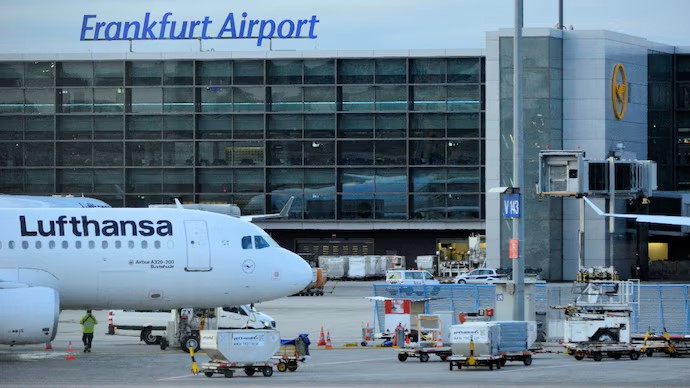
On Wednesday, an employee at Frankfurt Airport, Germany’s busiest transport hub, died following infection with malaria. This rare outbreak has infected a total of six airport workers, with health officials suspecting that a mosquito carried the disease to the airport on a plane from a malaria-endemic region.

The airport operator, Fraport, confirmed the death of the employee due to malaria. Five additional individuals are currently receiving medical treatment for their infections. Authorities believe the mosquito responsible for the outbreak likely arrived at the airport in July.

German public health authorities are actively investigating the origins of the outbreak. Fraport spokespersons communicated the unfortunate news of the employee’s death, stating that information has been provided to other staff members about malaria symptoms and that they should seek prompt medical attention if they experience any signs of the disease.

Response Measures Implemented by Fraport

In light of the outbreak, Fraport has initiated several precautionary measures. The airport has installed mosquito traps, and captured insects are being sent for laboratory analysis to identify their species and potential origins. This proactive approach aims to mitigate further risks to airport staff and travellers.

The outbreak was initially reported in July when it became known that four airport workers had contracted malaria. According to information from the Robert Koch Institute (RKI), the federal agency responsible for disease control and public health in Germany, these four individuals fell ill between July 4 and 6.

The RKI noted at the time that the mosquitoes responsible for these infections were most likely delivered to Germany via aircraft. The incident raises concerns about the rare phenomenon known as “airport malaria,” which occurs when malaria is transmitted outside of endemic regions.

Understanding Malaria and Its Rarity in Germany

Malaria is highly uncommon in Germany and is typically associated with individuals who have recently travelled to regions where the disease is prevalent. The RKI has stated that the transmission of malaria within German airports is an exceptionally rare occurrence.

The Frankfurt Health Department characterised “airport malaria” as an extraordinarily uncommon transmission method outside endemic areas. It also clarified that human-to-human transmission does not occur in such instances, with previous studies highlighting only a small number of cases across Europe.

According to research conducted on airport- and baggage-borne malaria cases from 1969 to 2024, 145 cases have been recorded in Europe, with nine identified in Germany. While some Anopheles mosquitoes, which can transmit malaria, exist in the country, the probability of local transmission remains extremely low.

Malaria, caused by parasites transferred through the bites of infected female Anopheles mosquitoes, leads to symptoms such as fever, headaches, and breathing difficulties. In severe cases, it can result in seizures, coma, and potentially death. Though preventable and treatable, malaria can become life-threatening if diagnosis and treatment are delayed.

The RKI has pointed out that diagnosing malaria can be challenging in Germany, particularly when patients do not have a travel history to areas where the disease is endemic. This can increase the risk of severe complications, particularly if diagnosis is postponed. Enhanced monitoring has been instituted at Frankfurt Airport to trace the mosquito species involved and to understand its source better.

Long or Short, get news the way you like. No ads. No redirections. Download Newspin and Stay Alert, The CSR Journal Mobile app, for fast, crisp, clean updates!

App Store –  https://apps.apple.com/in/app/newspin/id6746449540 

Google Play Store – https://play.google.com/store/apps/details?id=com.inventifweb.newspin&pcampaignid=web_share

Latest News

Popular Videos
