


US And China Extend Trade Truce To January 10 Ahead Of Trump-Xi Summit
The CSR Journal Magazine

The United States and China have agreed to extend their existing trade truce by two months, moving its expiry from November 10 to January 10, 2027, as the two sides seek more time to negotiate a potentially broader economic agreement. US Treasury Secretary Scott Bessent announced the extension after talks with Chinese Vice Premier He Lifeng in Washington.

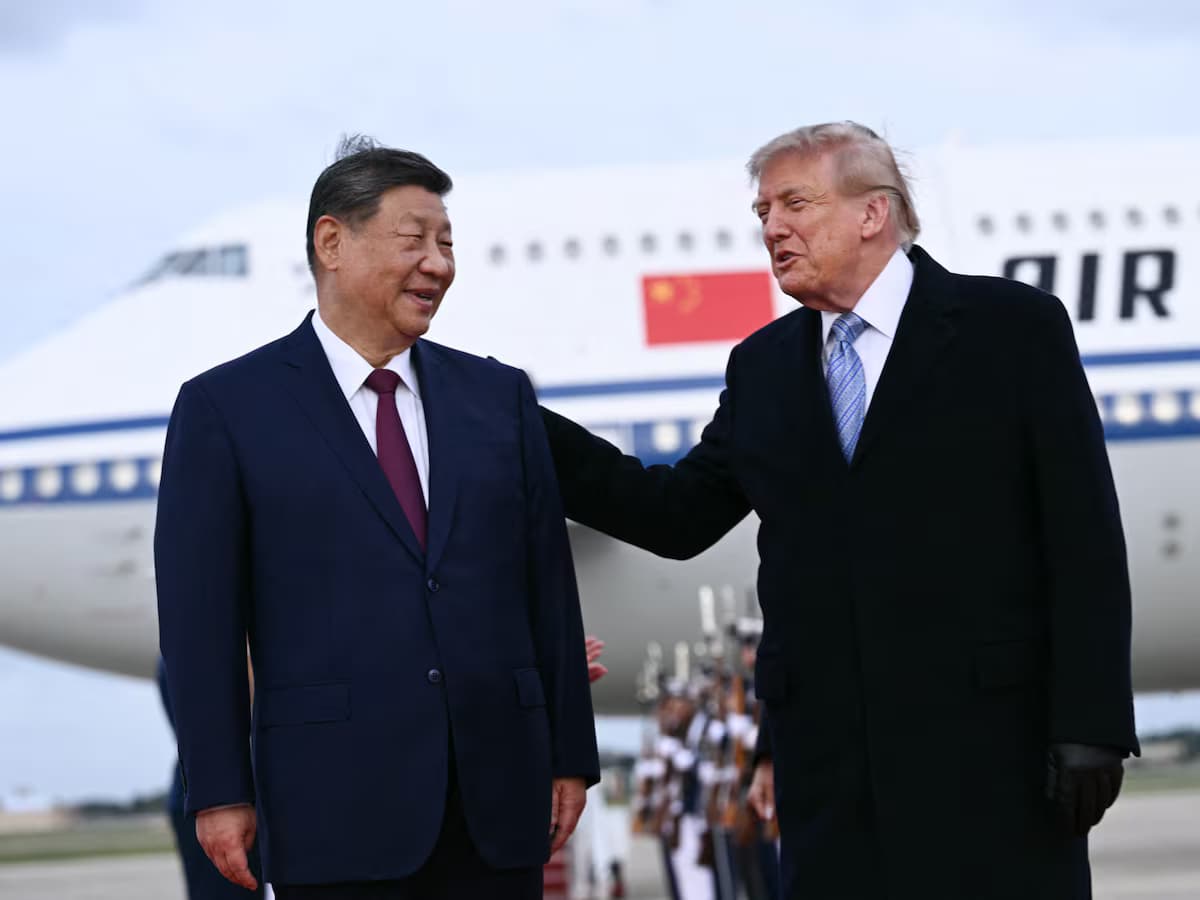
The announcement came hours before US President Donald Trump was due to meet Chinese President Xi Jinping at a summit in Washington on Thursday. Bessent said the two countries were considering whether to pursue a larger agreement rather than settle a series of smaller arrangements, while unresolved issues remain over Chinese commitments on agricultural purchases and other aspects of the existing understanding.

Trade Truce Extended Until January

Bessent made the announcement in an interview with Fox News following his second meeting with He in four days. The latest meeting, held at the World Bank headquarters in Washington, lasted about 90 minutes.

“We met today to see if we could do a bigger deal as opposed to just a series of smaller things,” Bessent said, explaining that the extension would give Washington and Beijing “more time to see what we can do on the economic front”.

The agreement, known as the Busan Agreement, was reached in South Korea and reduced the tariff escalation between the world’s two largest economies. The arrangement was originally scheduled to expire on November 10. The extension will now keep it in place until January 10, 2027.

Bessent said Beijing had raised the possibility of a more expansive trade agreement during 12 hours of discussions on Sunday, although he did not provide details on what such a deal could include.

US Seeks Greater Compliance From China

While Washington and Beijing have agreed to extend the truce, Bessent said the US administration was pressing China to fulfil outstanding commitments under the existing agreement more fully.

He said China was meeting its commitment to purchase 25 million tonnes of soybeans but was behind on a separate pledge involving $17 billion worth of other agricultural goods. US officials had also said last week that deliveries of rare earths from China were lagging.

Asked whether a broader agreement could be concluded by January 10, Bessent said it was not yet clear. He said the additional time would allow both sides to assess progress and determine whether they could move beyond the current arrangement.

Bessent said the two countries were also discussing tariffs on about $30 billion worth of non-critical goods, financial services and Chinese purchases of US agricultural products. He had earlier said Washington was open to either extending the existing Busan arrangement or pursuing a wider agreement.

Trade And AI On Trump-Xi Agenda

Thursday’s summit between Trump and Xi is expected to cover several economic issues, including tariffs, agricultural purchases and financial services. It is the second of potentially four meetings between the two leaders this year. Bessent said future meetings could take place in Shenzhen and Miami.

“Given that this could be a historic year where the leaders meet up to four times — this being the second meeting, in Shenzhen and then in Miami — we’re open to the idea of just continuing the Busan arrangement or examining the bigger deal,” Bessent said.

“We’re fine with both, and we’re going to do what’s best for the American people,” he added.

In a post on X, Bessent described the latest discussions as substantive and said the US Treasury was seeking commitments aimed at protecting American workers, farmers and businesses while advancing US economic and national security interests.

Bessent, He and US Trade Representative Jamieson Greer had also met in New York on Sunday to prepare proposals for the Trump-Xi summit. Bessent described those talks as successful and said the two sides had agreed to establish a communications “hotline” for notifying each other about AI safety incidents.

China’s response to the proposed AI hotline remained unclear. Chinese state news agency Xinhua reported that the two sides had discussed artificial intelligence but did not confirm an agreement on the proposed mechanism.

AI Cooperation Faces Uncertainty

US-China analysts have said prospects for deeper cooperation on AI remain limited because of a lack of mutual trust and the two countries’ continued emphasis on developing the technology. Recent talks have nevertheless included proposals for communication mechanisms covering potentially serious AI-related incidents.

Trump has said he would not “stifle” AI development and has emphasised maintaining the US lead over China in what he has called “super intelligence”.

The Busan economic agreement followed a sharp escalation in trade tensions, during which US and Chinese tariffs on each other’s goods rose to triple-digit levels following successive rounds of retaliation. The subsequent arrangement lowered bilateral tariff rates and included measures intended to ease trade restrictions.

China also agreed under the arrangement to restore the flow of rare earth magnets and other critical minerals after imposing severe restrictions on their exports. The extension now gives the two sides until January 10 to work through outstanding commitments and determine whether the current truce can form the basis of a broader economic agreement.

Long or Short, get news the way you like. No ads. No redirections. Download Newspin and Stay Alert, The CSR Journal Mobile app, for fast, crisp, clean updates!

App Store –  https://apps.apple.com/in/app/newspin/id6746449540 

Google Play Store – https://play.google.com/store/apps/details?id=com.inventifweb.newspin&pcampaignid=web_share

Latest News

Popular Videos
