


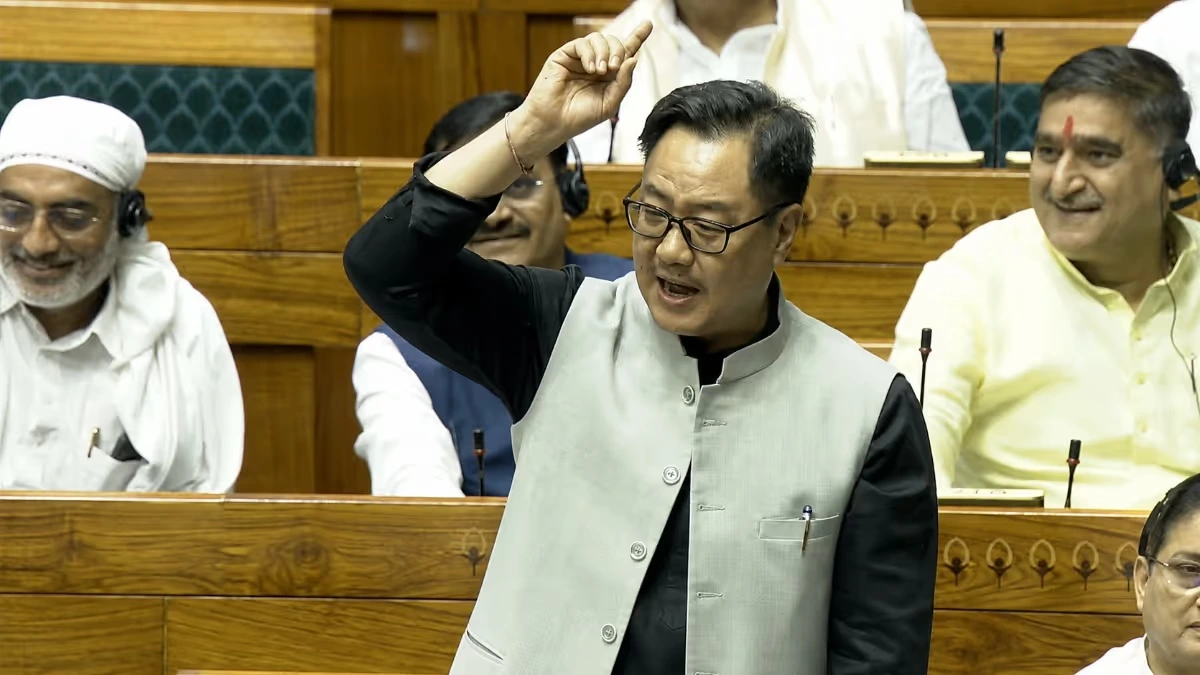
Union Minister Kiren Rijiju Defends Referral of FCRA Amendment Bill to JPC
The CSR Journal Magazine

Kiren Rijiju, Union Minister for Parliamentary Affairs, has expressed strong support for the referral of the Foreign Contribution (Regulation) Amendment Bill, 2026, to a Joint Parliamentary Committee (JPC). Speaking to ANI, he highlighted the importance of this decision in providing clarity regarding the proposed legislation, which has faced criticism from opposition parties. Rijiju stated that the JPC, composed of 31 members, will facilitate a thorough examination of the bill, aiming to enhance transparency and truthfulness in the discourse surrounding foreign funding in India.

Countering Allegations from Opposition Parties

In his rebuttal, Rijiju challenged both domestic and international critics, including American lawmakers, to identify any specific provision in the legislation that singles out any particular faith or community for negative treatment. He contended that misinformation not only undermines public understanding but also detracts from genuine discourse regarding the bill’s intentions and implications.

The Foreign Contribution (Regulation) Amendment Bill, 2026, was introduced following considerable resistance from opposition members, religious organisations, and civil society groups. The Lok Sabha referred the bill to the JPC after evaluating the concerns raised by various stakeholders, underscoring the contentious nature of the proposed changes to foreign funding regulations.

Content and Objectives of the Bill

The primary aim of the Foreign Contribution (Regulation) Amendment Bill, 2026, is to establish a “Designated Authority” that will oversee the management and custody of assets created with foreign funding in cases where an NGO’s registration is cancelled, lapses, or is not renewed. This move is positioned as a mechanism to ensure responsible handling of foreign funds, thereby safeguarding the integrity of organisations operating within the Indian context. The implications of these changes have ignited considerable debate among various sectors of society.

Opposition leaders, including those from Congress and the Samajwadi Party, have raised concerns that the law disproportionately affects institutions such as schools, hospitals, and charities run by minority communities. They have called for the withdrawal of the bill, labelling it as an infringement on the rights and functions of these organisations. The ongoing discourse highlights a significant divide in opinions surrounding the nature and intent of the law.

As discussions continue in the JPC, the outcomes of the committee’s examination will shed light on the future of the bill and its potential impact on foreign contributions and the functioning of NGOs in India. Ensuring a balanced perspective during this process will be crucial in reaching an informed conclusion about the legislation and its wider ramifications.

Long or Short, get news the way you like. No ads. No redirections. Download Newspin and Stay Alert, The CSR Journal Mobile app, for fast, crisp, clean updates!

App Store –  https://apps.apple.com/in/app/newspin/id6746449540 

Google Play Store – https://play.google.com/store/apps/details?id=com.inventifweb.newspin&pcampaignid=web_share

Latest News

Popular Videos
