


Union Cabinet Approves Four Multi-Tracking Projects in Bengal, Odisha, Tamil Nadu and Andhra Pradesh

The CSR Journal Magazine

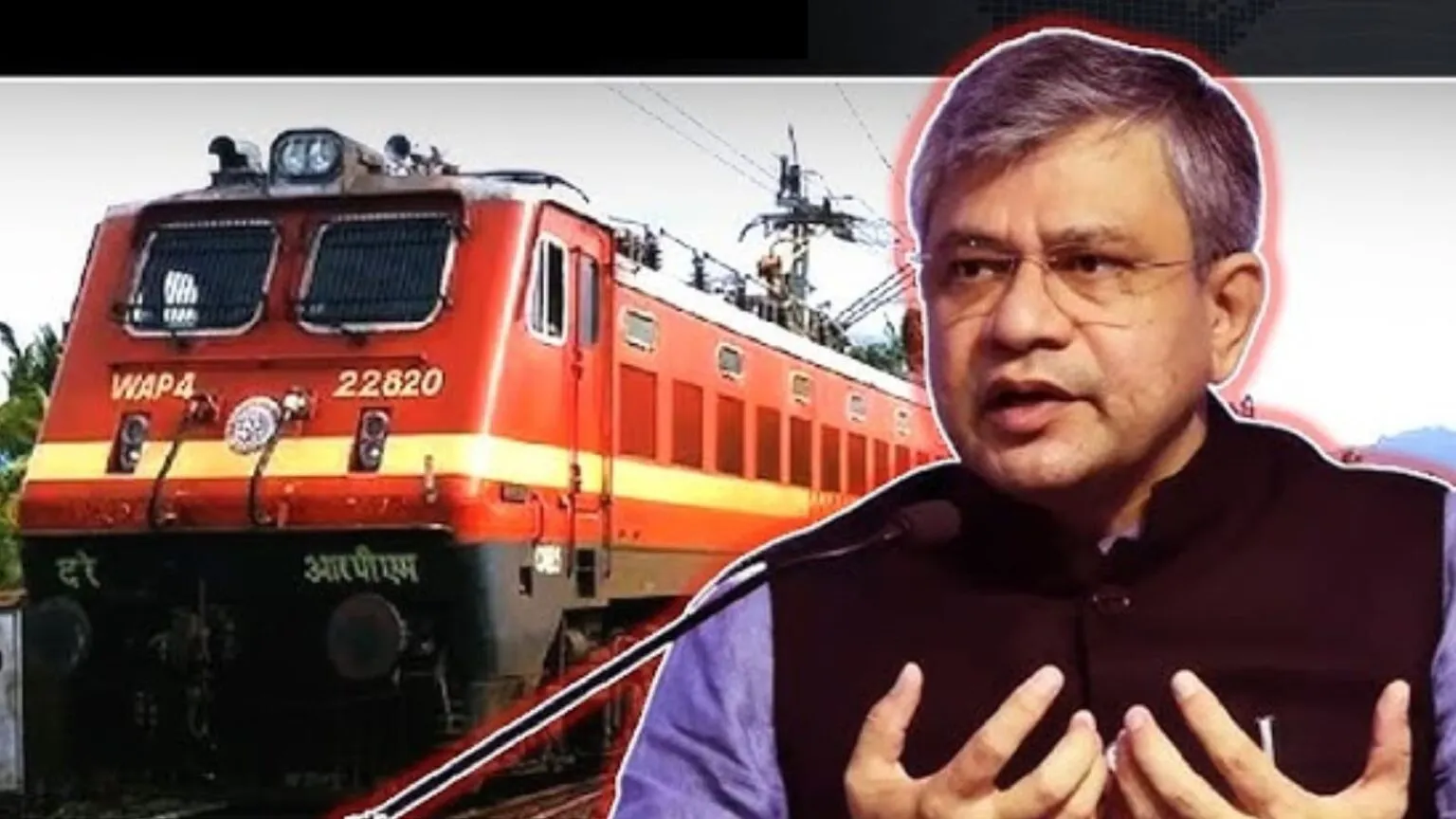
The Union Cabinet has approved four significant railway projects aimed at enhancing transportation infrastructure across eight districts in West Bengal, Odisha, Tamil Nadu, and Andhra Pradesh. This decision, announced on August 19, 2026, during a meeting chaired by Prime Minister Narendra Modi, will involve an investment of approximately Rs 9,450 crore.

The projects encompass the Kharagpur – Bhadrak (Ranital) fourth line connecting 173 kilometres between West Bengal and Odisha, the Bhadrak – Haridaspur fourth line spanning 75 kilometres in Odisha, the Gummidipundi – Gudur third and fourth lines measuring 90 kilometres in Andhra Pradesh and Tamil Nadu, and the Cuttack – Paradeep (Badabandha) third and fourth lines covering 72 kilometres in Odisha.

This enhancement in railway capacity is expected to significantly improve mobility, resulting in better operational efficiency for Indian Railways. By reducing congestion and streamlining operations, these multi-tracking initiatives are aligned with the government’s vision for regional development and self-reliance.

Focus on Connectivity and Economic Growth

The initiatives are designed under the PM-Gati Shakti National Master Plan, which aims to bolster multi-modal connectivity and logistics efficiency through comprehensive planning. The projects will provide improved transportation for both people and goods, facilitating regional economic development.

Union Minister Ashwini Vaishnaw confirmed the approval of the Kharagpur-Bhadrak railway project, which is crucial for expanding the coastal rail network in Odisha. He detailed the project’s route, which extends along the coast and includes significant infrastructure like two mega bridges, 41 major bridges, and 169 minor bridges on the 173-kilometre stretch.

Overall, the multi-tracking projects aim to extend the Indian Railways’ network by approximately 410 kilometres, resulting in enhanced connectivity for around 6,448 villages with a combined population of 60 lakh. These developments are poised to boost local economies and improve access to important services and amenities.

Environmental and Freight Transportation Benefits

The new railway routes are designed to serve notable tourist attractions, including Kuldiha Wildlife Sanctuary, Bhitarkanika National Park, and various temples. By improving accessibility to these sites, the projects are expected to promote tourism and regional economic sustainability.

Additionally, these initiatives will cater to the transportation needs for essential commodities like coal, iron ore, cement, and foods. The capacity enhancements are projected to facilitate an increased freight traffic of approximately 76 million tonnes per annum. This shift is expected to significantly benefit industries reliant on efficient logistics.

Indian Railways, recognised as an environmentally friendly transport alternative, is expected to play a major role in meeting climate objectives and reducing logistics costs nationally. The anticipated outcomes include decreased oil imports, with estimates suggesting a reduction of about 13 crore litres, and a drop in CO2 emissions by approximately 65 crore kilograms. This reduction in emissions is comparable to the environmental benefit achieved by planting 2.60 crore trees.

Long or Short, get news the way you like. No ads. No redirections. Download Newspin and Stay Alert, The CSR Journal Mobile app, for fast, crisp, clean updates!

App Store –  https://apps.apple.com/in/app/newspin/id6746449540 

Google Play Store – https://play.google.com/store/apps/details?id=com.inventifweb.newspin&pcampaignid=web_share

Latest News

Popular Videos