


Cabinet Approves Rs 10,783 Crore Rail Projects Across Five States
The CSR Journal Magazine

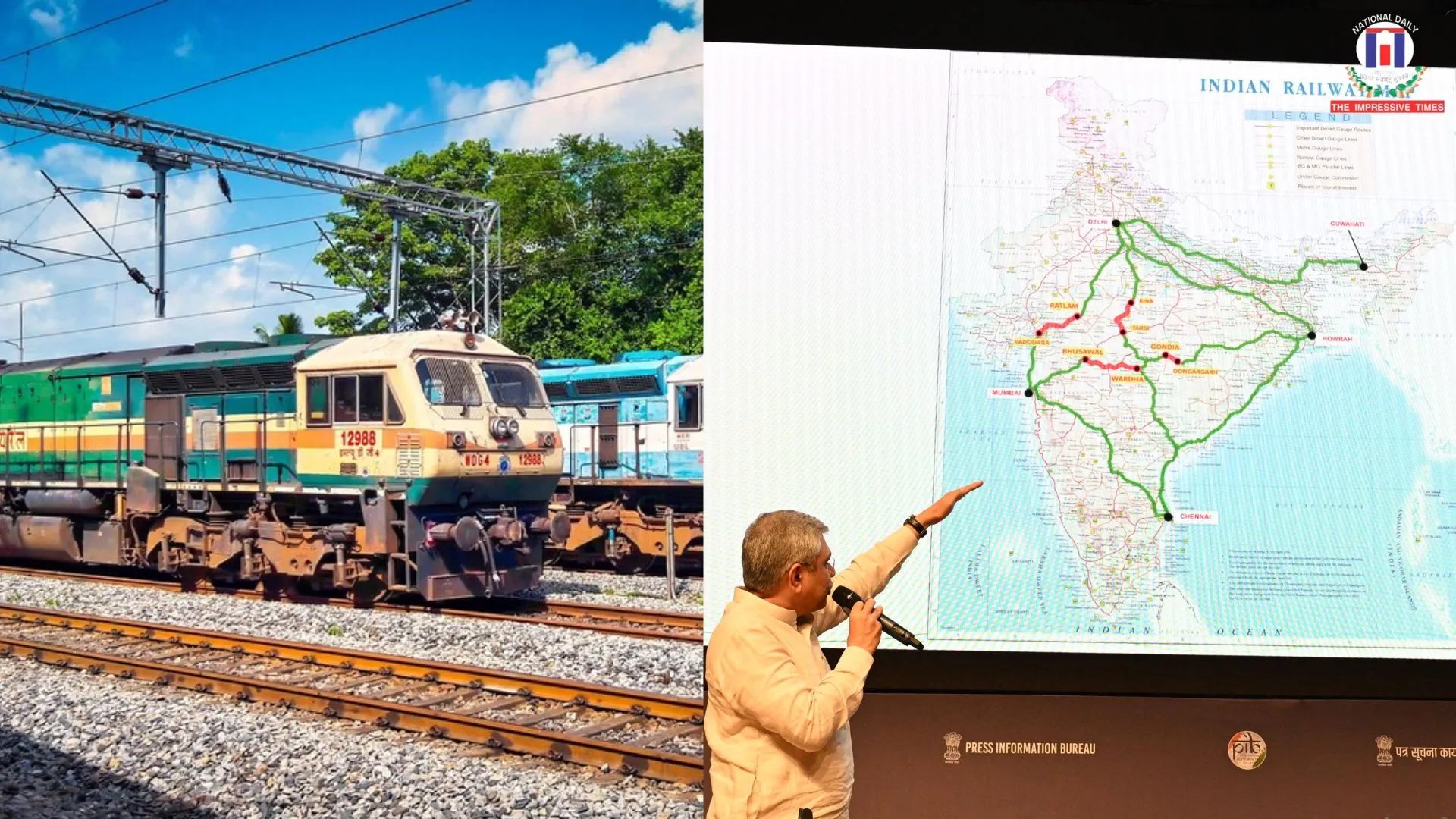
The Cabinet Committee on Economic Affairs (CCEA) has approved three railway multitracking projects estimated at Rs 10,783 crore. These projects are expected to add approximately 656 km to the Indian Railways network and enhance freight-handling capabilities. Union Minister Ashwini Vaishnaw announced the approval during the Cabinet briefing on September 9, 2026.

The projects cover significant railway lines in West Bengal, Jharkhand, Odisha, Madhya Pradesh, and Chhattisgarh, and completion is targeted for the 2029-30 timeframe. The specific projects include the Kharagpur-Jharsuguda (Bagdehi) fourth line, Katni-Pendra Road fourth line, and Bilaspur (Uslapur)-Pendra Road third line. These enhancements are poised to increase the operational efficiency of Indian Railways.

A CCEA release stated that the increased line capacity will substantially improve mobility and service reliability for the railway network. The multi-tracking initiatives aim to streamline operations and alleviate congestion currently experienced on various routes.

Geographical Impact and Connectivity

The rail projects will span 14 districts across the five states, expanding rail connectivity to around 4,790 villages, which have a combined population of roughly 56 lakh. This enhanced connectivity is particularly vital for regions that rely on the transportation of bulk commodities such as coal, cement, iron, and steel.

The CCEA emphasised that these projects are crucial for transportation, projecting an increase in freight traffic by 27 million tonnes per annum (MTPA). The strategic planning behind these routes reflects a significant commitment to enhancing the logistical capabilities of Indian Railways.

Furthermore, the railway enhancements are aligned with the PM Gati Shakti National Master Plan, focusing on improving multimodal connectivity and streamlining logistical efficiency through integrated planning. This approach aims to facilitate the seamless movement of people and goods across the expanded railway network.

Environmental and Economic Benefits

The expansion of railway capacity is also expected to reduce logistical costs and decrease reliance on road-based fuel consumption. According to the CCEA release, the projects are estimated to help cut oil imports by approximately 12 crore litres while lowering carbon dioxide emissions by around 62 crore kg. This reduction is likened to the environmental benefits of planting 2.48 crore trees.

Moreover, the enhanced rail network is anticipated to improve access to various tourist and pilgrimage sites, including Bandhavgarh Tiger Reserve, Amarkantak, Achanakmar Tiger Reserve, and the Taratarini Temple, enhancing the potential for tourism in the project areas.

The government views the accomplishments associated with these railway projects as vital to not only boosting economic growth through improved transport efficiency but also in promoting sustainable practices through reduced environmental impacts. With these developments, Indian Railways is positioned to take significant strides towards a more efficient and environmentally friendly future.

Long or Short, get news the way you like. No ads. No redirections. Download Newspin and Stay Alert, The CSR Journal Mobile app, for fast, crisp, clean updates!

App Store –  https://apps.apple.com/in/app/newspin/id6746449540 

Google Play Store – https://play.google.com/store/apps/details?id=com.inventifweb.newspin&pcampaignid=web_share

Latest News

Popular Videos
