


Trump Responds to Resignation of Counterterrorism Chief Joe Kent Amid Iran Conflict
The CSR Journal Magazine

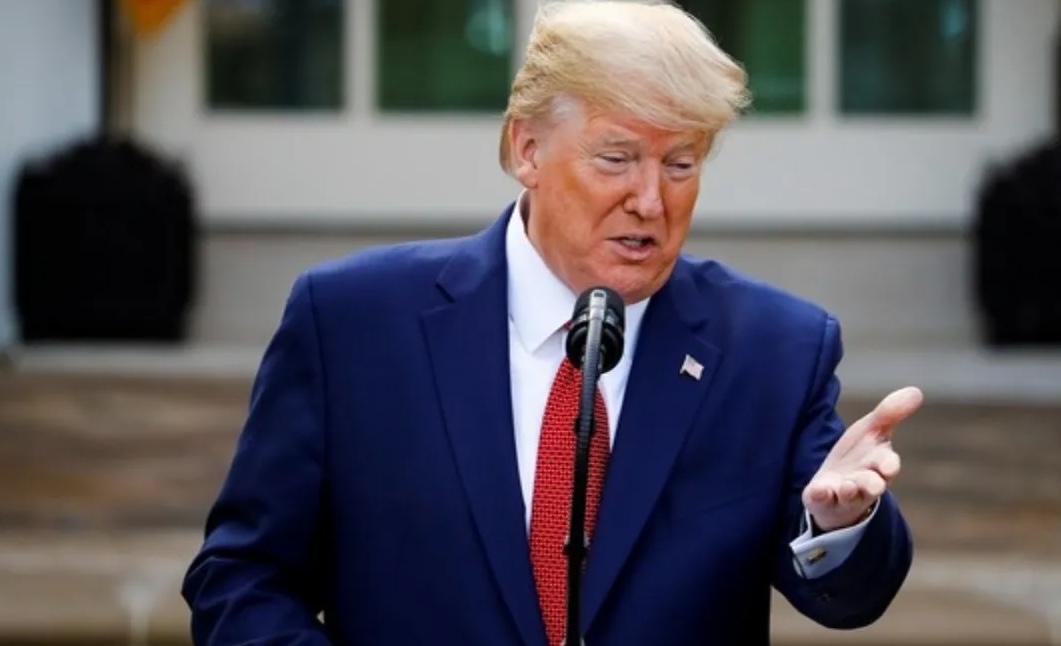
Donald Trump has expressed relief following the resignation of Joe Kent, who served as the chief of counterterrorism. Kent’s departure comes in the context of the ongoing tensions related to the Iran conflict, a sensitive issue that has been a focal point in U.S. foreign policy. Trump’s reaction underlines the significant political implications surrounding national security roles, especially during periods of heightened international unrest.

Kent’s Role and Resignation Circumstances

Joe Kent, appointed as the counterterrorism chief, had taken on a pivotal role in addressing threats posed by various factions, particularly those linked to Iran. His resignation is seen as consequential in the ongoing U.S. strategy concerning counterterrorism efforts. The circumstances leading to his resignation remain somewhat ambiguous, prompting speculation about his tenure and the pressures linked to the Iran situation.

Political Context of Trumps Comments

Trump’s remarks reflect broader political dynamics, where such high-level resignations can shift perspectives on national security leaders. Trump’s perspective highlights an appreciation for strong leadership, particularly relevant in discussions surrounding counterterrorism and foreign relations. The Iran conflict has elicited contrasting views within U.S. politics, and Trump’s take adds another layer to the ongoing discourse.

Background on U.S.-Iran Relations

The relationship between the United States and Iran has been fraught with tension, marked by various confrontations and diplomatic struggles over the years. Kent’s contributions to analyzing and addressing threats from Iranian-affiliated groups were considered crucial, especially as these issues resurface in geopolitical conversations. His resignation could have implications for how the U.S. engages with Iran and its allies moving forward.

Implications for Future Security Strategy

The vacancy left by Kent’s resignation may necessitate a reassessment of the current counterterrorism strategies employed by the U.S. administration. The selection of a successor could carry significant weight in shaping the nation’s responses to global threats, particularly those stemming from Iran. Political analysts are paying close attention to how this change might impact future U.S. relations with Middle Eastern nations.

Ongoing Developments around Counterterrorism Leadership

As the political landscape continues to evolve, further developments regarding the appointment of a new counterterrorism chief are anticipated. These decisions may expedite discussions surrounding national security and the effectiveness of strategies against various terror threats. The administration’s approach in the wake of Kent’s resignation will likely influence public and political perceptions about its commitment to counterterrorism initiatives.

Monitoring Reactions and Changes

In the coming days, reactions from various political figures and analysts are likely to emerge as they assess the potential ramifications of Kent’s resignation. This situation serves as a reminder of the critical roles that national security leaders play in shaping governmental policy on volatile issues such as those involving Iran. Observers remain vigilant as the narrative unfolds, given the complexities surrounding U.S. national security interests.

Long or Short, get news the way you like. No ads. No redirections. Download Newspin and Stay Alert, The CSR Journal Mobile app, for fast, crisp, clean updates!

App Store –  https://apps.apple.com/in/app/newspin/id6746449540 

Google Play Store – https://play.google.com/store/apps/details?id=com.inventifweb.newspin&pcampaignid=web_share

Latest News

Popular Videos
