


Trump Rejects Truce Proposal As Qatar Seeks US-Iran Negotiations
The CSR Journal Magazine

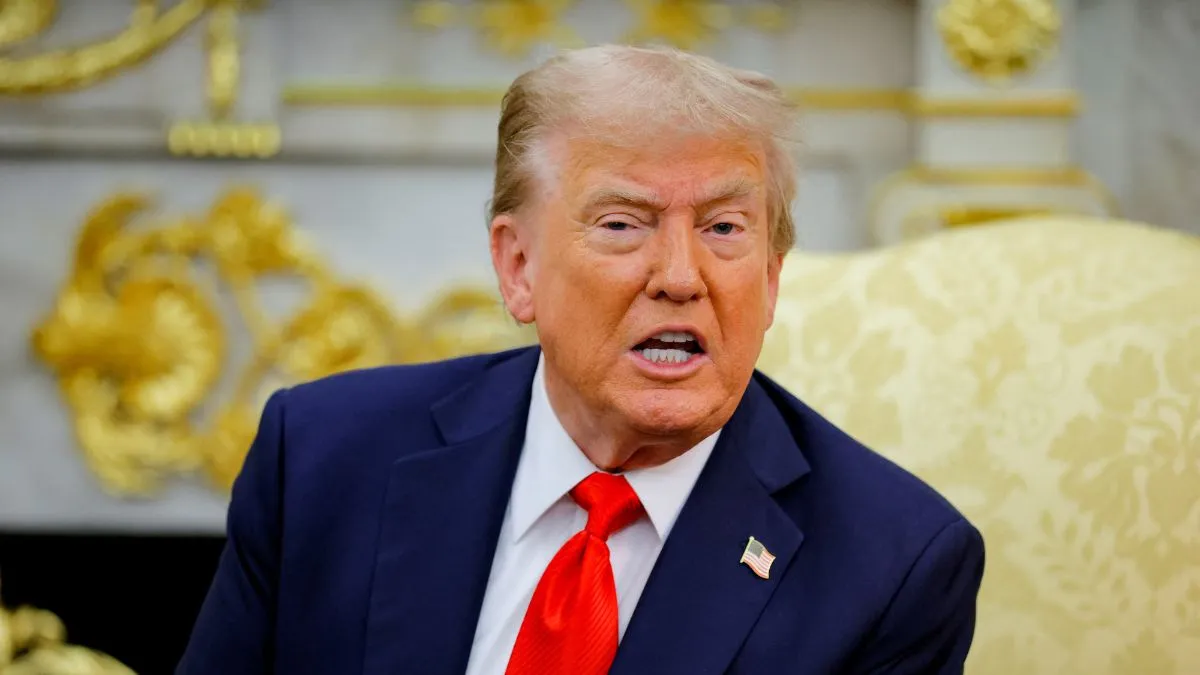
Donald Trump recently dismissed a proposal from Iran for a seven-day truce, which has prompted renewed diplomatic efforts between Washington and Tehran. Qatari mediators are scheduled to conduct separate discussions with Iranian Foreign Minister Abbas Araqchi and US officials, aiming to explore possibilities for a ceasefire and address issues surrounding the Strait of Hormuz. These talks may occur as early as Monday or Tuesday.

According to reports by news agency Reuters, the upcoming discussions will likely revolve around an updated version of the ceasefire initiative initially presented by Iran during the United Nations General Assembly last week. Trump’s rejection of the original proposal has not deterred him from indicating a willingness for further talks with Tehran this week, suggesting a potential diplomatic opening.

The planned meetings follow a period of escalating tensions and complicated negotiations, as both nations appear to be at an impasse over critical issues. The potential for dialogue remains important amid the backdrop of ongoing regional conflicts and economic pressures faced by Iran.

Qatar Plays Mediator Role Amid Uncertainty

Qatar has taken on the role of mediator in the ongoing US-Iran relations, a shift that is notable given the lack of direct negotiations between the two countries. Araqchi, who is currently in New York following the UN General Assembly, is set to meet with Qatari mediators to discuss various proposals regarding the current geopolitical situation.

Iran’s semi-official ISNA news agency confirmed that discussions are on the agenda for Monday morning, New York time. However, there is a degree of uncertainty regarding Araqchi’s extended presence in the United States, as Iranian Foreign Ministry spokesperson Esmaeil Baghaei stated his return to Tehran is scheduled as per the original itinerary.

The choice of Qatari mediators highlights the complexities of US-Iran relationships, as both sides have struggled to engage in direct talks. Iran’s earlier proposals and the US response underscore the deep divisions over ceasefire conditions and broader diplomatic resolutions.

Overview of Iran’s Proposed Truce Initiatives

The centrepiece of the diplomatic discussions is Iran’s seven-day proposal, which calls for an immediate cessation of hostilities in both Iran and Lebanon. This plan also requests the unfreezing of substantial Iranian assets and the lifting of sanctions on Iranian oil, alongside an end to the US blockade of Iranian ports.

In exchange, Iran has indicated its willingness to allow the reopening of the strategically vital Strait of Hormuz and to resume negotiations concerning its nuclear programme. Trump, however, has publicly rejected this proposal, expressing concerns that Iran is hastily seeking an accord due to its challenging economic circumstances.

Despite the rejection, Trump indicated that US negotiators are anticipated to engage in further discussions this week. The ongoing mediation efforts seem centred on finding a version of the proposal that is acceptable to both sides, rather than aiming for an immediate, final agreement.

Khamenei Issues Warnings Amid Diplomatic Efforts

As these diplomatic engagements unfold, Iran’s Supreme Leader Mojtaba Hosseini Khamenei has adopted a more aggressive stance. In a recent message, Khamenei asserted that Iranian forces have pushed foreign military presence away from areas near Iran’s coastline towards the Arabian Sea, suggesting a forthcoming intensification of military pressure.

Khamenei’s remarks, which were disseminated through Iranian media, did not specify the foreign forces targeted. His communications coincide with ongoing tensions primarily related to the Strait of Hormuz and other regional conflicts. He claimed that Iran has successfully inflicted significant losses on adversaries operating in its surrounding waters.

The timing of Khamenei’s statements is notable, reflecting a dual strategy of maintaining military pressure while still seeking avenues for diplomatic resolution. The upcoming days may prove critical in determining the progress of these two potentially conflicting approaches, particularly as Qatari mediators attempt to bridge the gap between Washington and Tehran’s positions.

Long or Short, get news the way you like. No ads. No redirections. Download Newspin and Stay Alert, The CSR Journal Mobile app, for fast, crisp, clean updates!

App Store –  https://apps.apple.com/in/app/newspin/id6746449540 

Google Play Store – https://play.google.com/store/apps/details?id=com.inventifweb.newspin&pcampaignid=web_share

Latest News

Popular Videos
