


Trump Directs US Diplomats to Replace “AI” with “Super Intelligence” at UN
The CSR Journal Magazine

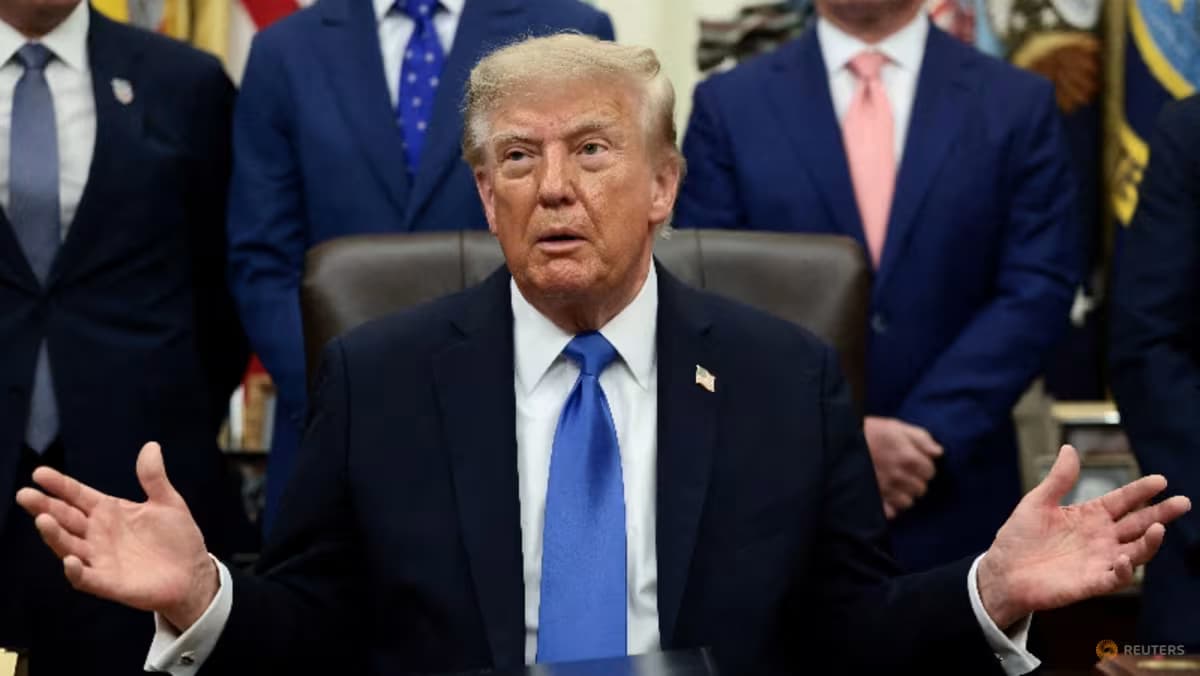
The US State Department has mandated that its diplomats refer to “artificial intelligence” as “super intelligence” in all official communications. This directive follows President Donald Trump’s announcement during a speech at the United Nations General Assembly. The instruction was delivered in an email sent on September 24, 2026, by Michael Drager, who serves as deputy assistant secretary of state for the Bureau of International Organization Affairs.

The Bureau of International Organization Affairs is responsible for overseeing US diplomatic missions to the United Nations and various multilateral agencies around the world. The email detailing the change was shared with department staff shortly after Trump’s remarks, although it remains unclear if other divisions within the State Department will adopt the same terminology.

In the email titled “Change in Nomenclature AI to SI,” Drager instructed employees to update any reference from “artificial intelligence” to “super intelligence” in their documents and communications. He noted that all future remarks, positions, and press materials would reflect the use of “SI.” The email content was made public by The Associated Press on the following day.

Trump Justifies the Change in Terminology

The president’s comments reflect a broader sentiment that the naming of technologies can influence public perception and policy development. Trump’s preference for the new terminology aims to positively frame advancements in the sector as crucial and groundbreaking rather than fraudulent or fictional.

The change may also necessitate a broader reconsideration of existing terminology related to artificial intelligence in other governmental frameworks. For instance, a recent initiative branded as the “AI Force” might require rebranding as the “SI Force” to align with the new nomenclature. Such adjustments may take additional time to implement fully within various divisions of the government.

Concerns Over AI Development and Oversight

On September 24, US representatives at a UN Security Council meeting employed the term “super intelligence” as technology executives called for regulatory measures in light of rapid AI advancements. The swift evolution of artificial intelligence has raised alarms from corporate leaders, policymakers, and experts, who warn that it may exceed humanity’s capacity to manage effectively.

The discussions reflect a growing consensus on the need for international guidelines and frameworks to mitigate potential risks associated with AI technologies. Many stakeholders stress that the global community must remain vigilant, as unchecked advancements could threaten societal stability and safety. Despite these concerns, Trump has expressed his opposition to imposing stricter government controls on AI development.

He advocates for fostering innovation rather than stifling it, arguing that the US must retain its competitive edge over China in this domain. In a social media statement made on September 24, 2026, he reiterated that the nation remains ahead of China in AI technology. He asserted the industry’s transformative potential as larger than both the Industrial Revolution and the internet.

This situation is expected to be a significant topic of discussion during Trump’s forthcoming meeting with Chinese leader Xi Jinping in Washington. The change in terminology from “artificial intelligence” to “super intelligence” signifies a noteworthy shift in US diplomatic communication, although its long-term implementation across the government remains to be fully realised.

Long or Short, get news the way you like. No ads. No redirections. Download Newspin and Stay Alert, The CSR Journal Mobile app, for fast, crisp, clean updates!

App Store –  https://apps.apple.com/in/app/newspin/id6746449540 

Google Play Store – https://play.google.com/store/apps/details?id=com.inventifweb.newspin&pcampaignid=web_share

Latest News

Popular Videos
