


Delhi High Court Orders 24-Hour Seizure Memo Compliance
The CSR Journal Magazine

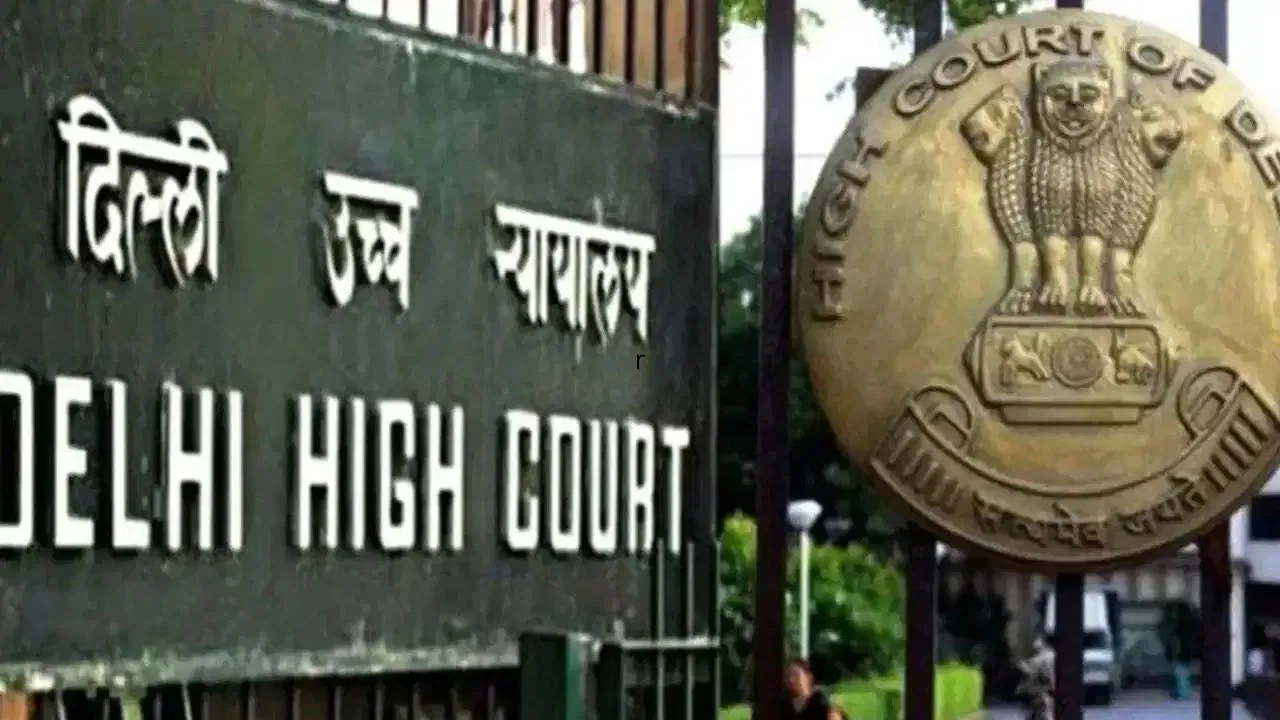
The Delhi High Court has mandated that the Municipal Corporation of Delhi (MCD) and New Delhi Municipal Council (NDMC) issue seizure memorandums to street vendors within a 24-hour timeframe following the confiscation of their goods. This directive was announced on September 10 by Justices Prathiba M Singh and Vikas Mahajan during a hearing regarding the seizure practices conducted by these civic bodies.

In its ruling, the court specified that the seizure memos must detail the date of the seizure, a comprehensive inventory of the confiscated goods, the specific shelf numbers where the items are stored, any fines or penalties incurred, and relevant details of the officer involved in the seizure process. The court’s order aims to enhance transparency in the dealings between authorities and street vendors.

Petition Highlights Seizure Process Concerns

The bench was informed by the petitioner organisation, Rehri Patri Ekta Manch, that during the seizure of goods from street vendors, the MCD and NDMC frequently fail to prepare seizure memorandums. As a result, vendors are often left unaware of the specifics related to the confiscated items. According to the petition, a receipt confirming the payment of the fine is typically provided later in the day, rather than an immediate list of seized goods.

In response, legal representatives for the MCD and NDMC articulated that the standard practice is to execute the seizure first, followed by the preparation of the memorandum later in the day. They cited concerns that preparing the memorandum on-site would alert other vendors in the vicinity, allowing them to evade potential seizures for any violations committed.

The NDMC’s legal counsel asserted that a designated warehouse is maintained for the storage of confiscated goods, with items arranged on specific shelves. He added that vendors are given a receipt that includes the shelf number where their goods are stored, and the items can be recovered after the payment of fines. Additionally, he mentioned that officials conduct videography or photography during seizures, contingent upon available resources.

Legal Framework Supporting Seizure Procedures

The high court referred to the Street Vendors (Protection of Livelihood and Regulation of Street Vending) Act, 2014, specifically Section 19, which mandates that a detailed list of seized goods be prepared and a copy provided to the vendor. The court acknowledged the difficulties expressed by the authorities regarding on-the-spot memoranda preparation but reiterated the necessity of compliance with the law.

The court concluded that the MCD and NDMC are permitted to issue seizure memos in accordance with the law, but emphasised the outer limit of 24 hours post-seizure for compliance. Furthermore, the court instructed the MCD to adopt videography and photography during seizures in a manner similar to that of the NDMC.

During the hearing, counsel for the MCD also provided updates on the formation of Town Vending Committee-II (TVC-II), revealing that 23 members had been elected thus far. He stated that the list of nominated or designated members from various zones was still pending, and once received, it would be submitted to the Delhi government for official notification of TVC-II. The court urged the swift progression of this process and subsequently disposed of the petition.

Long or Short, get news the way you like. No ads. No redirections. Download Newspin and Stay Alert, The CSR Journal Mobile app, for fast, crisp, clean updates!

App Store –  https://apps.apple.com/in/app/newspin/id6746449540 

Google Play Store – https://play.google.com/store/apps/details?id=com.inventifweb.newspin&pcampaignid=web_share

Latest News

Popular Videos
