


Delhi High Court Dismisses JEE Student’s Plea for IIT Delhi Admission
The CSR Journal Magazine

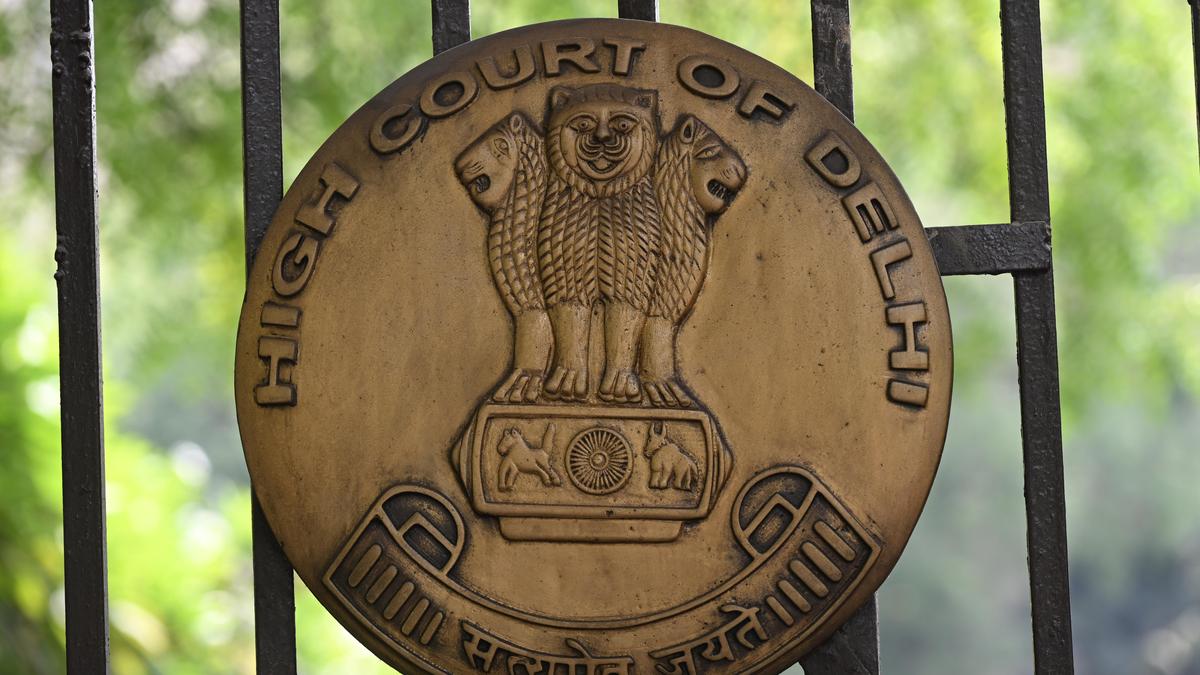
The Delhi High Court has rejected a plea from a student seeking admission to IIT Delhi due to a dispute over marks in the Joint Entrance Examination (JEE). The court concluded that eligibility criteria cannot be relaxed based on personal grievances or perceived academic difficulties. Justice Jasmeet Singh presided over the case involving candidate Aashi Agarwal.

The student claimed that her marks in the JEE Main 2025 examination did not reflect her true performance. Aashi alleged that she was wrongly awarded fewer marks, asserting that at least 25 marks were intentionally deducted by the examination authorities. She subsequently filed a petition with the High Court after her earlier complaint to the National Testing Agency (NTA) and the organisers of JEE Advanced 2026 was dismissed.

The court’s decision underscores the principle that academic institutions must adhere to established rules and standards when assessing candidates. Deviations from these standards, the court maintained, should not occur merely out of sympathy for an individual’s situation.

Allegations of Mark Deductions Dismissed

Aashi’s allegations regarding the deliberate deduction of her marks were met with scrutiny during the court proceedings. The judges reviewed discrepancies between the NTA’s audit logs and the claims made by the student. Ultimately, the court determined that her assertions lacked credible evidence and categorised them as baseless. While the court had directed in May 2026 that Aashi’s representation regarding her marks be considered, it did not grant her permission to take the examination.

The dismissal of her complaint by the authorities prior to the court’s ruling further complicated her case. The High Court firmly stated that issues related to examination procedures and evaluations are not within the purview of a writ petition. As a result, these matters could not be reviewed by the court, leading to the rejection of her petition for IIT Delhi admission.

Broader Implications for Exam Procedures

This ruling may have broader implications for future cases involving examination disputes in India. It reinforces the significance of adhering to established protocols in academia and the limited scope for legal intervention in matters concerning academic performance and evaluations. Educational institutions, including IITs, are likely to take note of this decision when handling similar grievances from students.

It serves as a precedent that emphasises the necessity for students to rely on existing mechanisms for redressal rather than pursuing legal avenues as a primary option. As the educational landscape evolves, this case highlights the ongoing challenges faced by students in navigating the complexities of academic assessments and the importance of transparency and fairness in evaluation processes.

Long or Short, get news the way you like. No ads. No redirections. Download Newspin and Stay Alert, The CSR Journal Mobile app, for fast, crisp, clean updates!

App Store –  https://apps.apple.com/in/app/newspin/id6746449540 

Google Play Store – https://play.google.com/store/apps/details?id=com.inventifweb.newspin&pcampaignid=web_share

Latest News

Popular Videos
