


Supreme Court Requests Centre’s Response on Vande Mataram Mandate
The CSR Journal Magazine

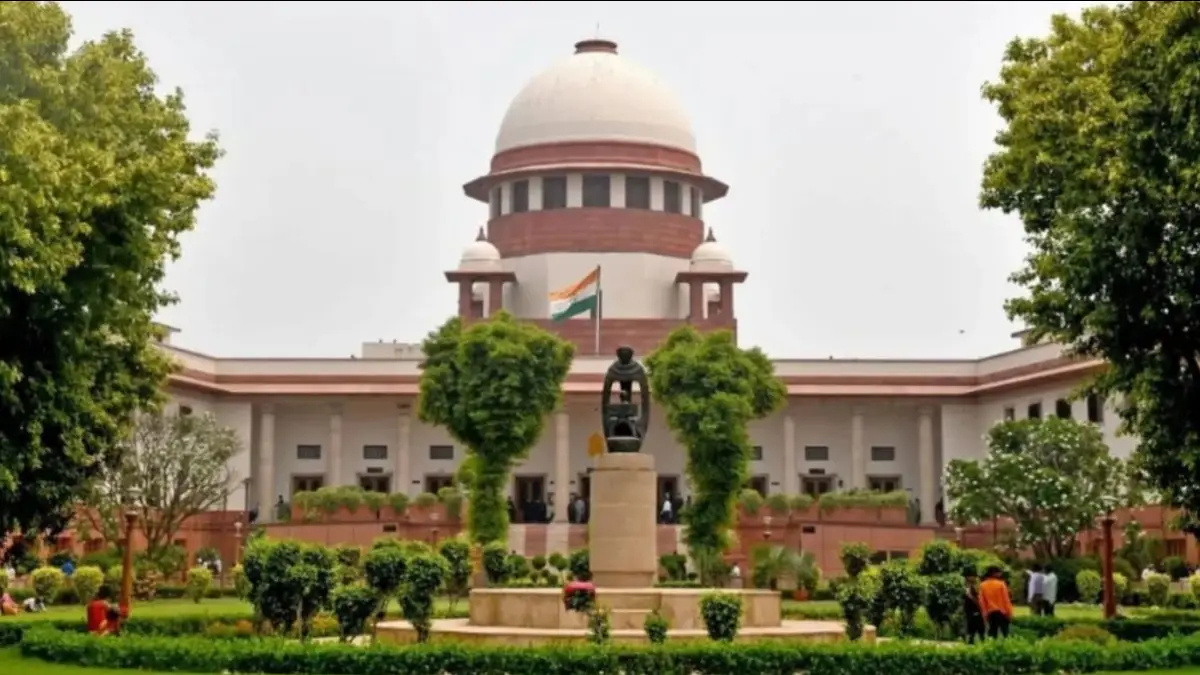
The Supreme Court has called for the Centre to respond to a petition challenging the requirement of singing all six stanzas of Vande Mataram at public events. This request was made on September 22, 2026, during a session presided over by Chief Justice of India Surya Kant, along with Justices Joymalya Bagchi and V. Mohana. Solicitor General of India Tushar Mehta represents the Centre and has been directed to file a response in two weeks.

Petition Overview

The petition against the mandate has been submitted by renowned singer TM Krishna, who raises concerns regarding the song’s legal enforcement in public gatherings. Specifically, the petition challenges the necessity of singing all six stanzas, highlighting the potential penalties for non-compliance under the amended law. The argument poses critical questions about the nature of mandatory civic duties and individual rights.

Senior Advocate S Muralidhar, representing Krishna, argued that the penal statute should clearly define what actions may lead to criminal ramifications, rather than leaving such criteria ambiguous. The debate became tense when Mehta used the term “Naxalite” while discussing procedural matters, which prompted Muralidhar to object vigorously. He insisted that the Solicitor General retract the statement due to its inflammatory nature.

Despite Muralidhar’s protests, Mehta reiterated his claim, justifying his choice of words regarding constitutional issues. This exchange highlighted the contentious atmosphere present during the hearing, as the dialogue on constitutional integrity became increasingly heated.

Conscientious Objectors and Legal Precedent

As the discussion progressed, Justice Joymalya Bagchi emphasised the constitutional rights accorded to every individual, noting that those accused of terrorism still maintain certain privileges under the Constitution. The Court then shifted its attention to the legal implications and ramifications for individuals opting not to sing Vande Mataram, particularly in relation to their status as conscientious objectors.

Justice Bagchi referenced the Supreme Court’s earlier decision in the Bijoe Emmanuel case, relating to the rights of conscientious objectors in connection with the National Anthem. He underscored that the principles established in that ruling should also govern the current legal challenges surrounding the singing of Vande Mataram.

The Justice expressed that individuals choosing not to recite one or more stanzas of Vande Mataram should not face criminal prosecution solely based on their decision. This crucial point highlights ongoing discussions about the balance between national symbols and individual freedoms.

Muralidhar stressed that the inherent penal aspects of the amended law necessitate court scrutiny to define what behaviours may warrant prosecution. The bench, recognising the complexity of the issue, has asked Mehta to provide the necessary documentation and responses to the allegations raised. As the Court anticipates the Centre’s reply, the legal debate continues to unfold.

Long or Short, get news the way you like. No ads. No redirections. Download Newspin and Stay Alert, The CSR Journal Mobile app, for fast, crisp, clean updates!

App Store –  https://apps.apple.com/in/app/newspin/id6746449540 

Google Play Store – https://play.google.com/store/apps/details?id=com.inventifweb.newspin&pcampaignid=web_share

Latest News

Popular Videos
